Things to do & see

Explore the best of Croatia
Dubrovnik
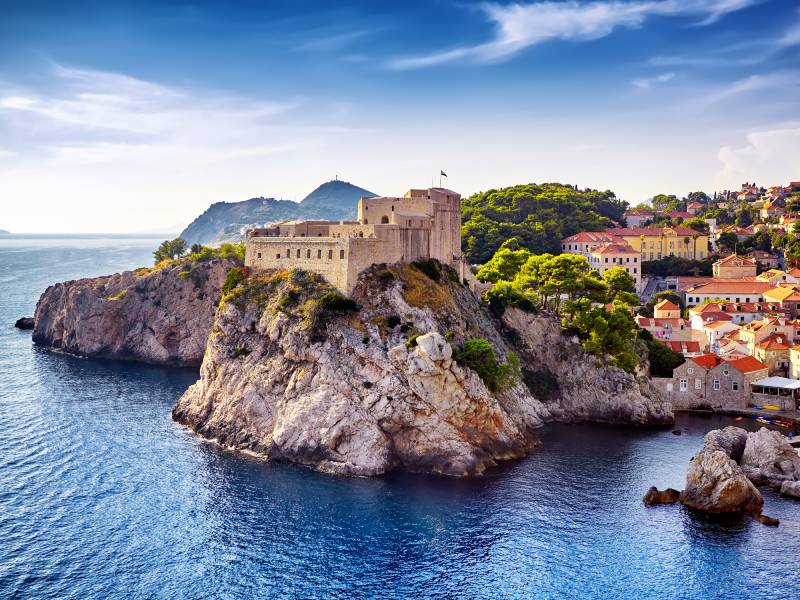
The historic charm of Dubrovnik
The UNESCO Old Town and City Walls
Enclosed by medieval walls, Dubrovnik’s Old Town is a UNESCO treasure of cobbled streets, grand squares, and historic landmarks like the Rector’s Palace and Sponza Palace. Wander past baroque churches, bustling cafés, and Adriatic vistas, immersing yourself in centuries of maritime and cultural history.
Take a cable car to Mount Srđ
Ride Dubrovnik’s cable car to Mount Srđ for breathtaking city and Adriatic views. At the summit, explore Fort Imperial, a key site from the Croatian War of Independence. Scenic trails and a hilltop restaurant offer the perfect mix of history, nature and stunning panoramas.
Discover Lokrum and Elaphiti Islands
A short boat ride from Dubrovnik, Lokrum Island offers lush botanical gardens, ancient ruins and tranquil beaches, with a legend of the Knights Templar’s curse adding intrigue. Nearby, the Elaphiti Islands boast hidden beaches and charming fishing villages, from lively Šipan to peaceful Koločep.
Rabac
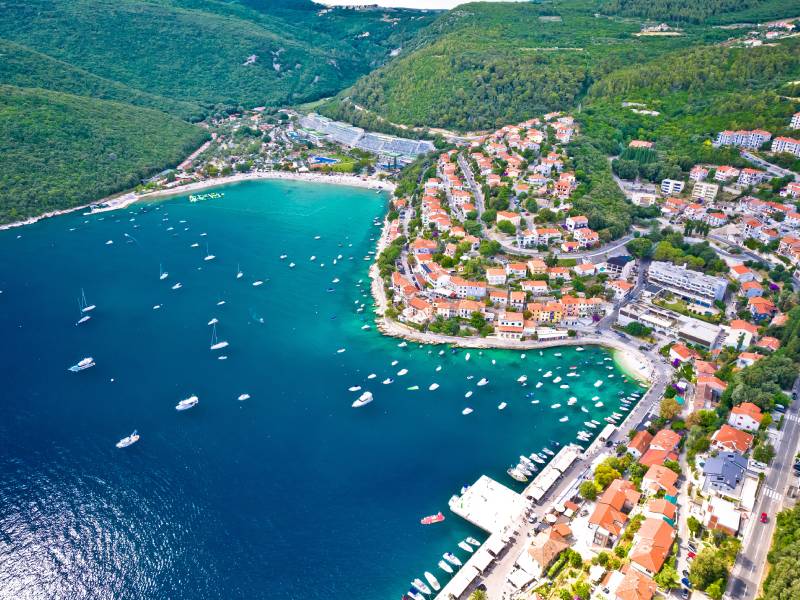
The coastal beauty of Rabac
Relax on pearly pebble beaches
Rabac’s stunning beaches offer crystal-clear waters for snorkeling and sunbathing, while thrill-seekers can try kayaking, windsurfing, or diving. With beach bars, restaurants, and sun loungers, it’s a perfect mix of relaxation and adventure on Croatia’s coast.
Explore scenic walking and hiking trails
Rabac is a haven for hikers, with trails winding through forests, streams, and coastal landscapes. Sentona’s Trail links Rabac with medieval Labin, the Prklog path reveals waterfalls and lush greenery, while the St. Flor trail leads to a legendary hilltop church.
Visit the nearby Labin
Minutes from Rabac, Labin’s old town enchants with historic alleys, panoramic views and vibrant art studios. Explore galleries showcasing local artists, then unwind in a cosy restaurant with fresh seafood and Istrian specialties, experiencing the town’s rich culture and flavors.
Poreč
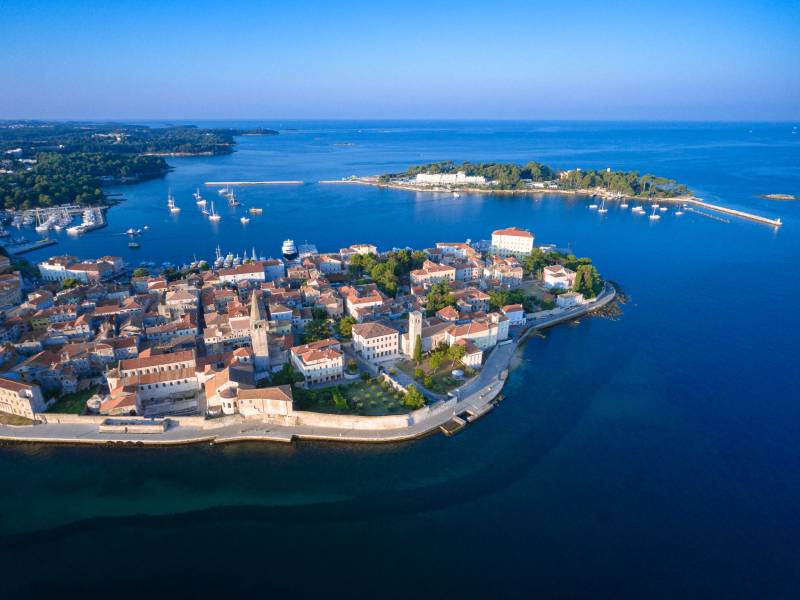
The cultural riches of Poreč
Visit the Euphrasian Basilica
Poreč’s Euphrasian Basilica, a UNESCO site from the 6th century, showcases stunning Byzantine mosaics depicting biblical stories. A landmark of early Christianity, it remains a place of worship that still hosts concerts and cultural events throughout the year.
Discover Roman ruins and old town
Poreč’s old town is a maze of historic streets lined with charming shops and cafés. Stroll along Decumanus Street to admire its preserved architecture, visit the Pentagonal Tower for a glimpse into its defensive past, and explore the House of Two Saints, home to stunning 4th-century mosaics.
Dive in and pedal away
Poreč offers adventure seekers scuba diving trips to shipwrecks and marine wonders. Prefer land? Rent a bike at Valamar’s Poreč Bike Centre and cycle the Parenzana Trail, a former railway winding through stunning coastal and countryside scenery.
Island of Krk
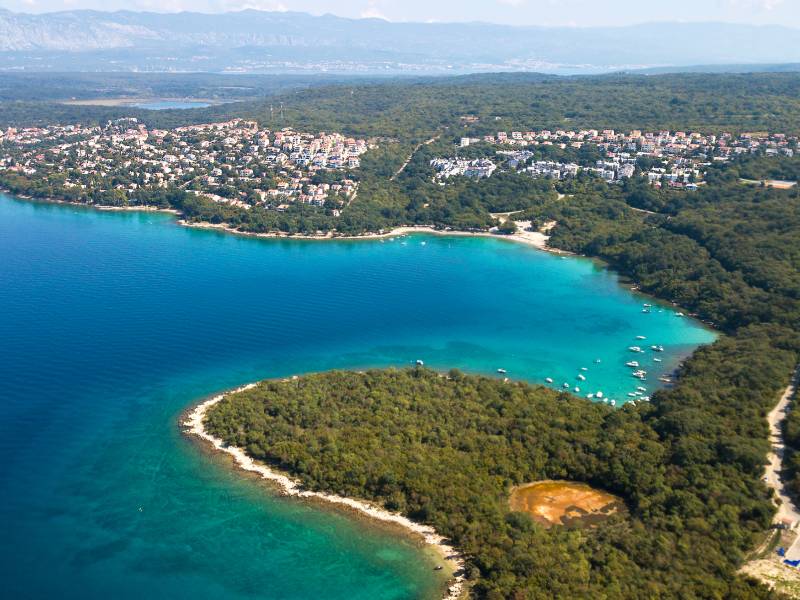
The island paradise of Krk
Explore the cradle of Croatia's history
Discover Krk’s past at Frankopan Castle, offering medieval charm and coastal views. Wander Omišalj’s Roman ruins, then visit the Church of St. Lucy in Jurandvor where the Baška Tablet, a priceless relic of Croatia’s early written language, was found.
Savour local cuisine
Krk’s cuisine blends Mediterranean flavours with local tradition. Savour succulent lamb, grilled fresh fish, and šurlice, a handmade pasta. Pair your meal with Žlahtina wine, a crisp, refreshing local speciality that enhances the island's rich flavours.
Escape to hidden beaches
Escape the crowds and explore Krk’s hidden beaches, especially along the secluded southern coast. Many are only accessible by boat, making them perfect for a day trip filled with sunbathing, swimming, and snorkelling in unspoiled surroundings.
Island of Rab
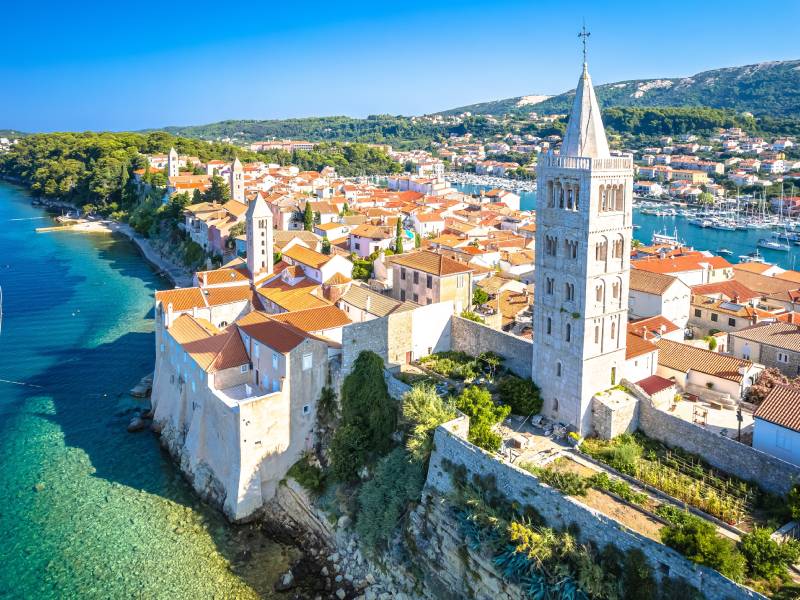
The secluded serenity of Rab
Unwind on sandy beaches
Rab Island’s 30 sandy beaches range from lively Paradise Beach, with golden shores and sweeping views, to tranquil Pudarica Beach, tucked in a quiet bay. Whether you seek adventure or relaxation, the island’s waters provide the perfect escape.
Hike and bike through stunning landscapes
Rab’s diverse landscape features forests, hills, and cliffs with stunning views. Hike to Capo Fronte’s green oasis or challenge yourself with a trek to Kamenjak, the island’s highest peak. Prefer cycling? Rent a bike and explore Rab’s breathtaking terrain at your own pace.
Wander through quaint towns
Rab Town blends medieval charm with stunning views from its bell towers. Visit St. Mary’s Cathedral, then escape to Barbat, a fishing village known for its picturesque harbour and seafood restaurants, offering a peaceful contrast to the island’s historic heart.
Island of Hvar
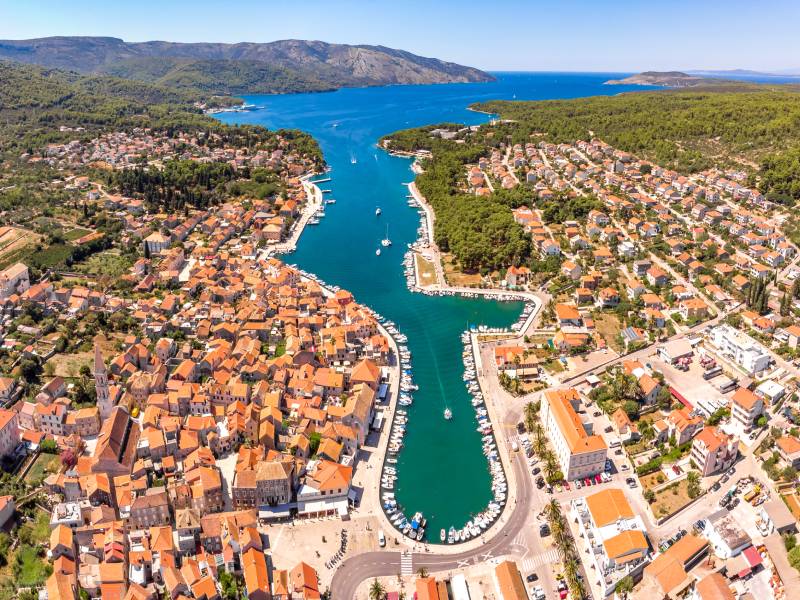
The glitz and glamour of Hvar
Party night and day
Hvar’s nightlife is legendary, with beach clubs and bars hosting world-class DJs in a vibrant setting. Dance until dawn or unwind with a cocktail on a rooftop terrace, soaking in breathtaking Adriatic views and the island’s electrifying atmosphere.
Unearth historical treasures
Discover Hvar’s history at Fortress Fortica, a 16th-century stronghold with stunning island views. Stroll through St. Stephen’s Square, home to a Renaissance cathedral and charming cafés, or explore Europe’s oldest theatre hidden within the town’s cobbled streets.
Immerse yourself in the island lifestyle
Rolling vineyards, lavender fields, and lush greenery invite exploration. Wander or cycle through scenic trails, breathe in the island’s fragrant air, and visit local wineries to sample fine Croatian wines. For a truly immersive experience, stay at an eco-friendly resort.
Makarska
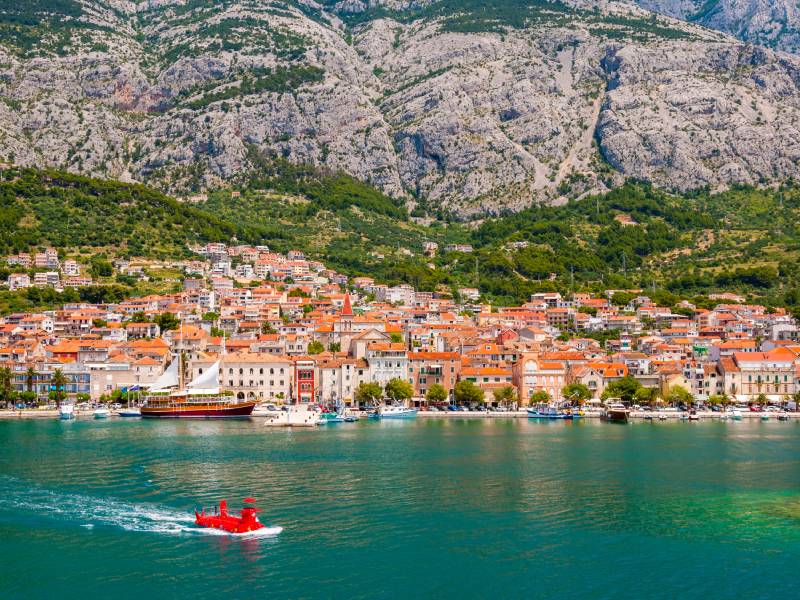
The adventurous spirit of Makarska
Hike the Biokovo Mountain
Hike Makarska’s Biokovo mountains, where scenic trails lead through botanical gardens and rugged landscapes. For an unforgettable experience, climb Sveti Jure, the highest peak, and enjoy stunning views of the Adriatic and nearby islands.
Gaze at the stars
Discover the night sky at the Makarska Observatory, where expert-led sessions and high-tech telescopes reveal planets, constellations, and deep-sky wonders. Low light pollution enhances visibility, making it a top spot for astronomy workshops and celestial exploration.
Explore Makarska Riviera
With 60 km of coastline, the Makarska Riviera features stunning beaches, hidden coves, and charming villages. Take a scenic drive, enjoy a boat trip, or try water sports. For a relaxed experience, simply unwind on pebbled beaches.
Download our Valamar app and start your carefree vacation!