What to see & do
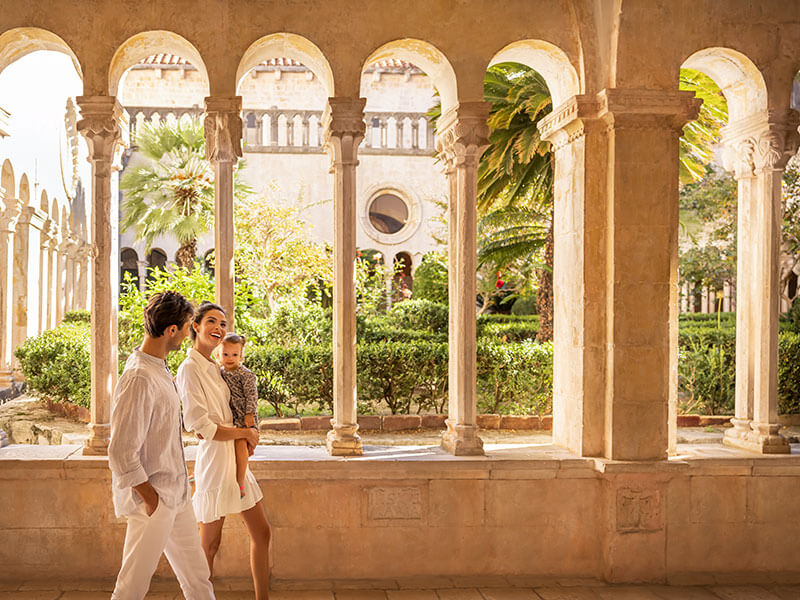
Discover the best of Dubrovnik
Attractions
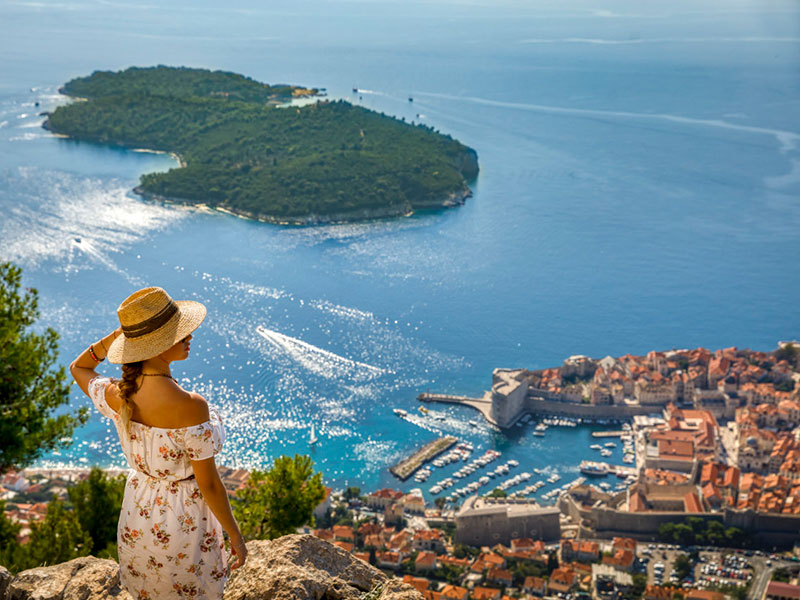
Things to see in Dubrovnik
When it comes to things to see in Dubrovnik, the city is full of landmarks that bring history to life. Stroll through the UNESCO-listed Old Town, admire the baroque churches, explore lively squares or climb the famous City Walls. These sights capture Dubrovnik’s timeless charm and make it one of the Adriatic’s most remarkable destinations.
Explore sights in Dubrovnik
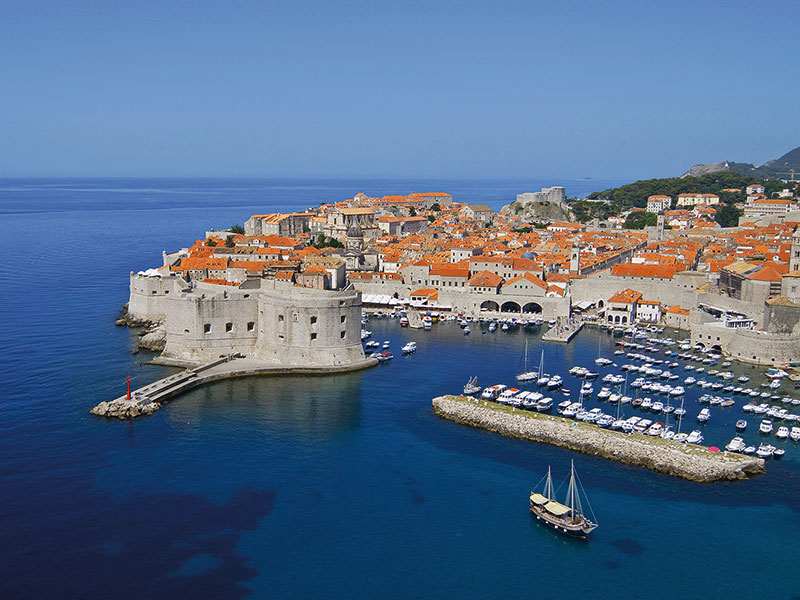
Dubrovnik City Walls
Walk the legendary walls with sweeping views of sea and rooftops.
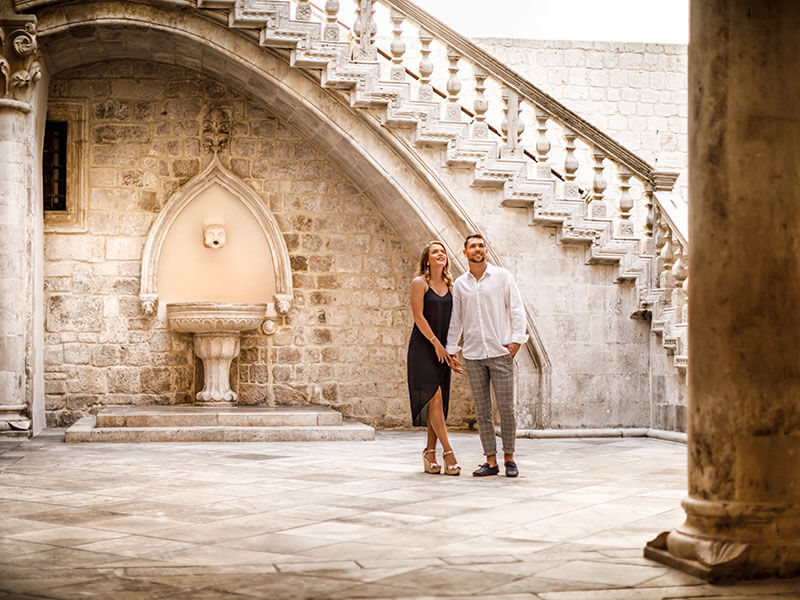
The UNESCO-listed Old Town of Dubrovnik
Stroll cobbled streets and squares in Dubrovnik’s UNESCO-listed heart.
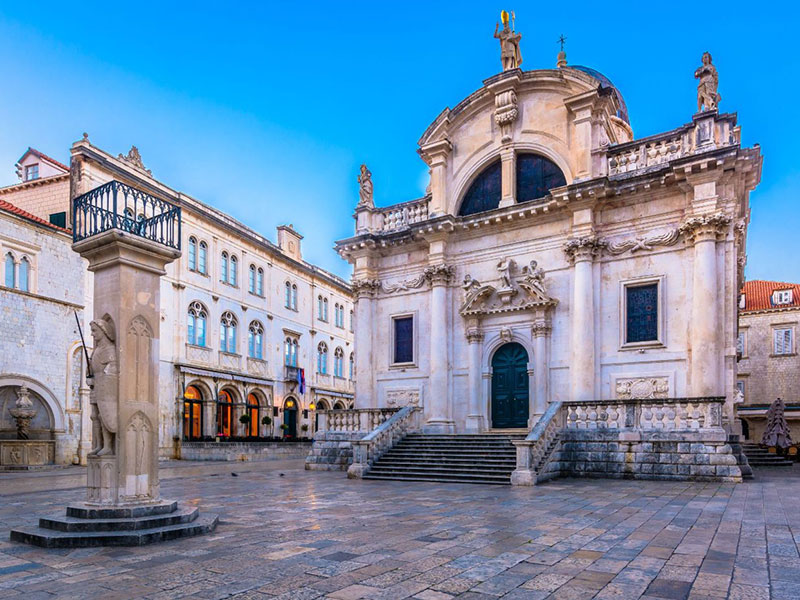
Church of St Blaise (Sveti Vlaho)
Dubrovnik’s baroque church to its patron saint, a landmark of faith and tradition.
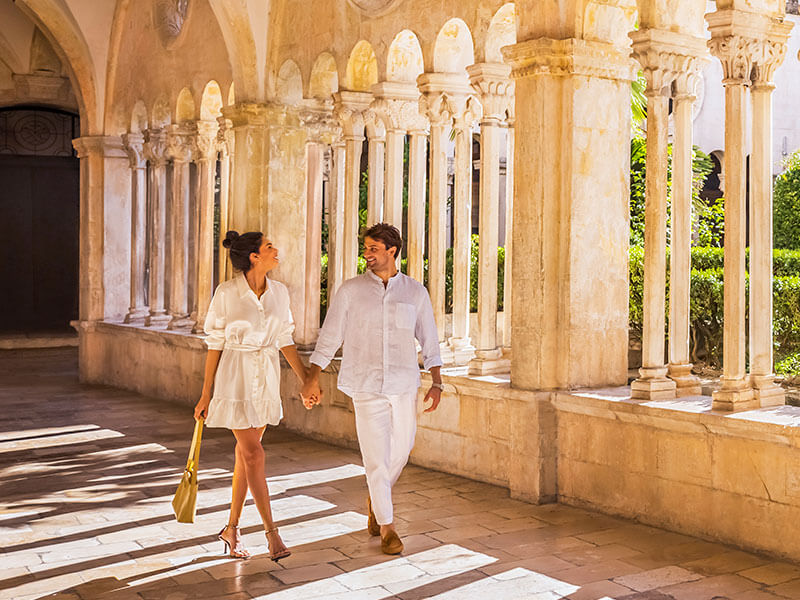
Franciscan Friary and Church
Visit a 14th-century friary with one of Europe’s oldest pharmacies.
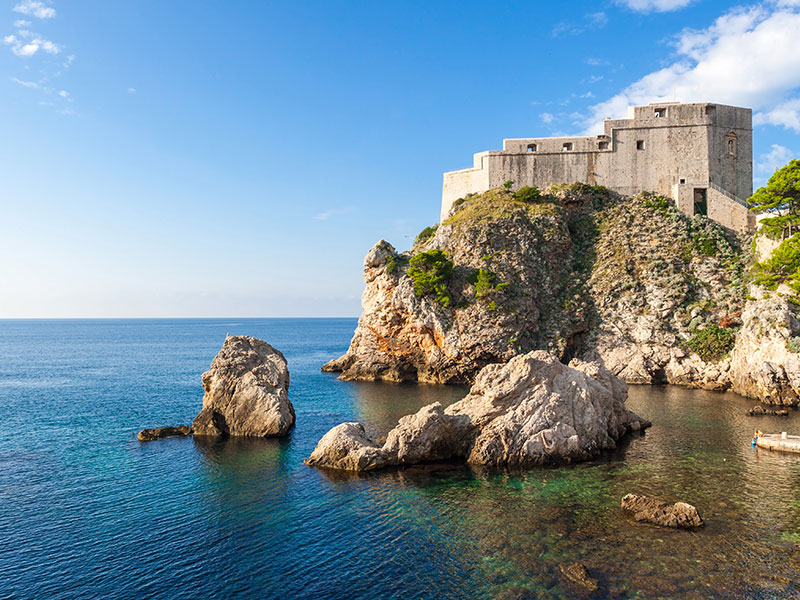
Lovrijenac (St Lawrence’s Fortress)
Towering fortress on a cliff, famed as the “Gibraltar of Dubrovnik.”
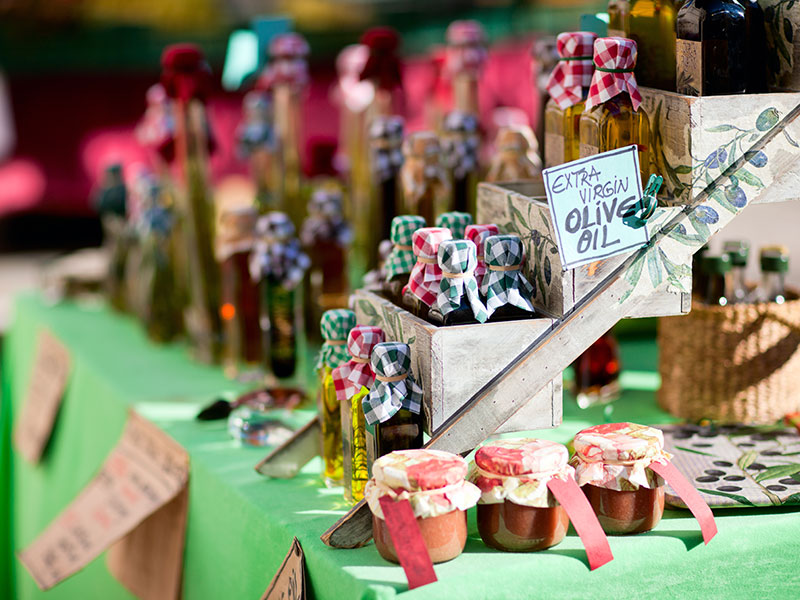
Local markets
Explore lively markets filled with fresh produce, flowers, and local life.
Activities
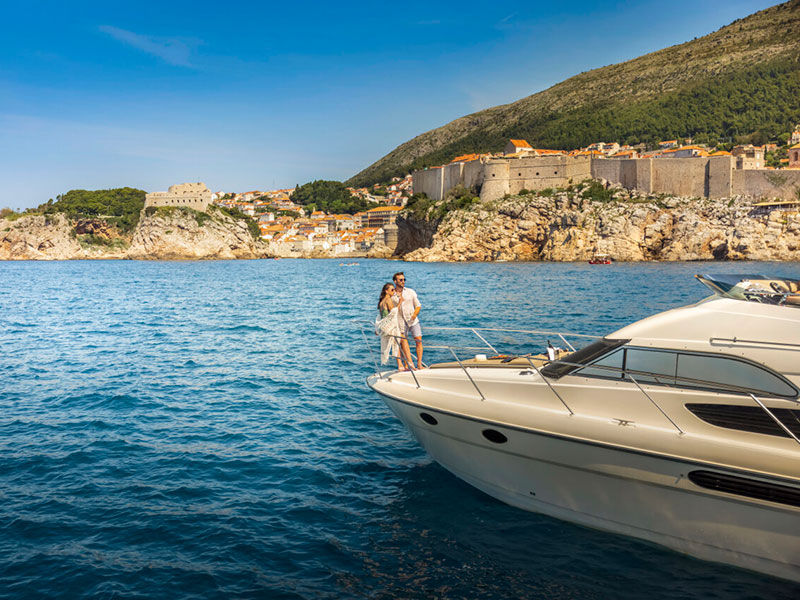
Things to do in Dubrovnik
There’s no shortage of unforgettable things to do in Dubrovnik. Take the cable car up Mount Srđ for sweeping views, sail to the Elaphiti Islands, or spend a day exploring Lokrum’s gardens and beaches. From concerts in the Rector’s Palace to lively festivals, Dubrovnik offers experiences that bring the city’s culture and coastline to life.
Explore activities in Dubrovnik

Museums
Discover Dubrovnik’s art, history and culture in its many museums.
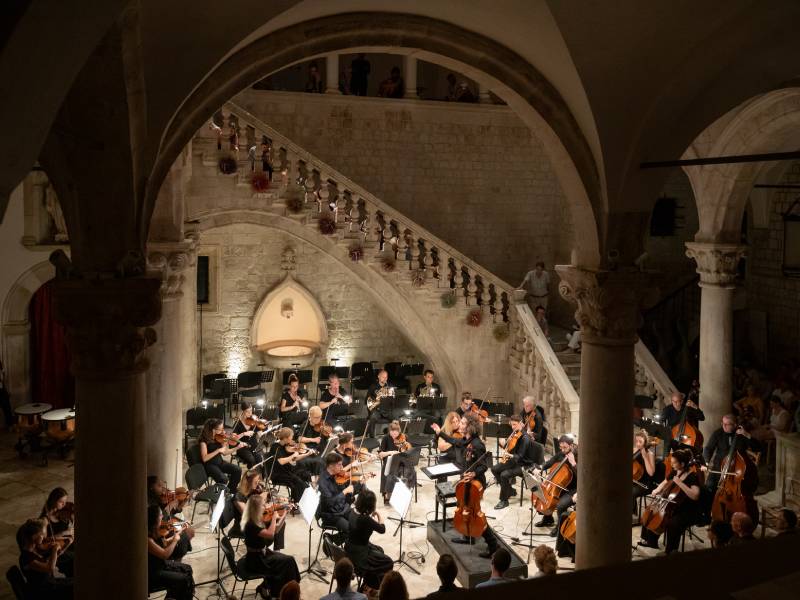
Concert in Rector’s Palace
Enjoy a magical evening concert in Dubrovnik’s historic Rector’s Palace.
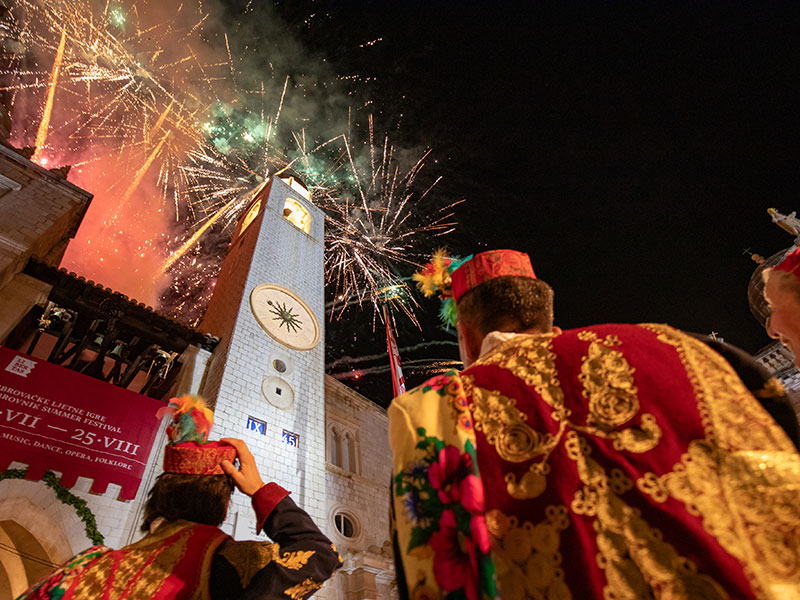
Events
From summer to winter, enjoy concerts, plays and street celebrations.
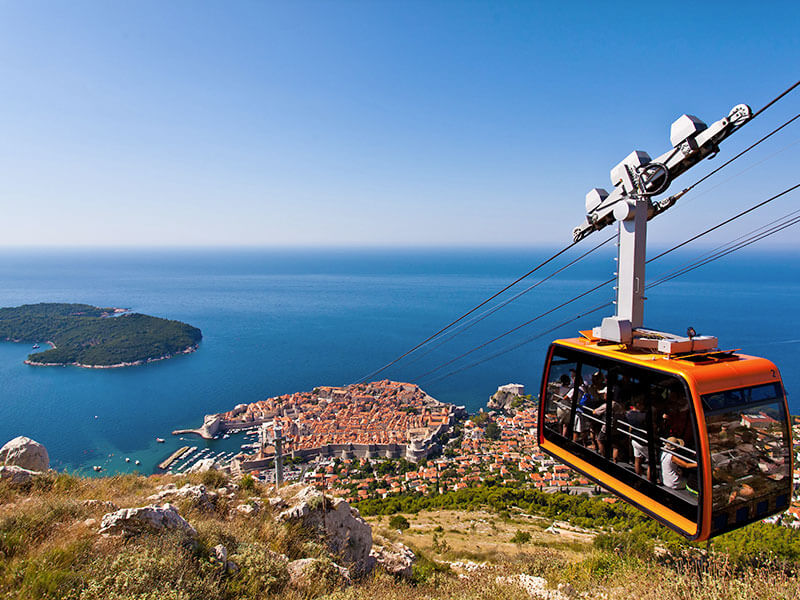
Cable Car & Mount Srđ
Ride to Mount Srđ for breathtaking views across Dubrovnik and the Adriatic.
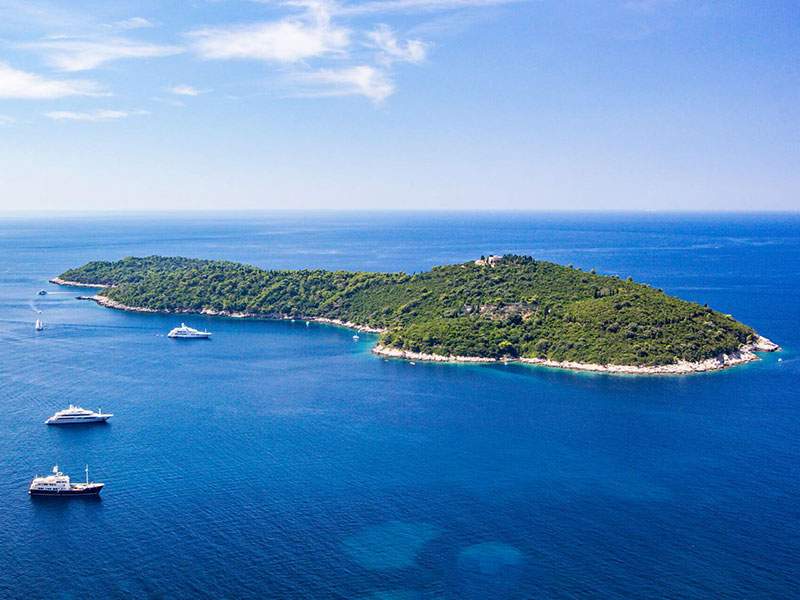
Lokrum Reserve
Escape to Lokrum, a green island of beaches, gardens and peacocks.
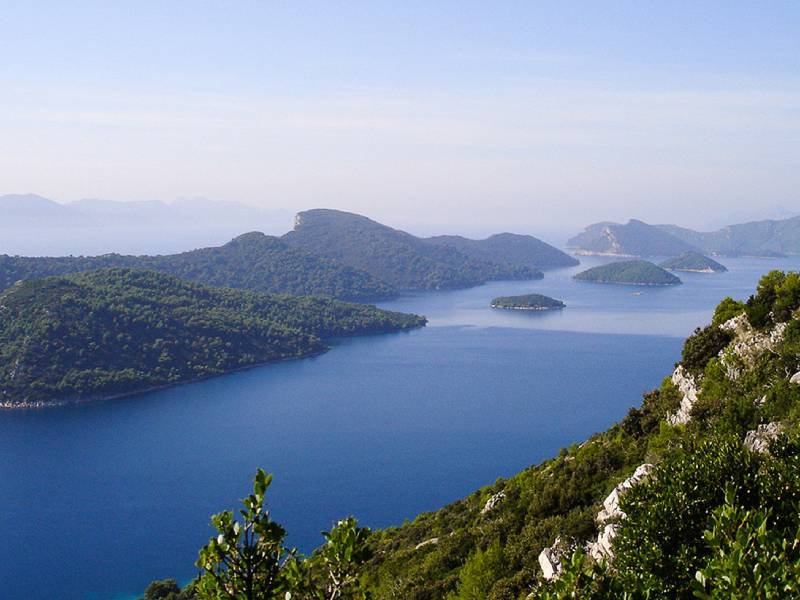
Elaphiti Islands
Discover nature, history and hidden coves on tranquil Lokrum Island.
Download our Valamar app and start your carefree vacation!