Agencies Valamar Quality Centre Groups

Diving in Istra

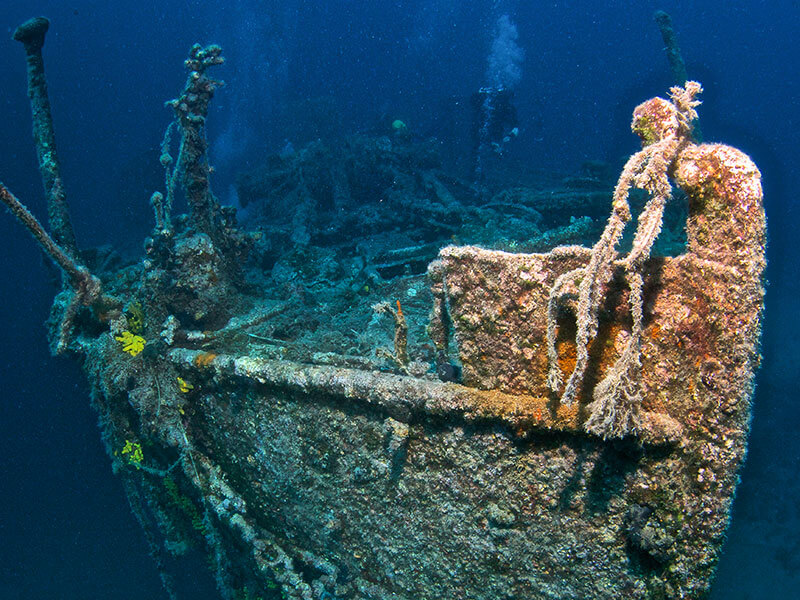
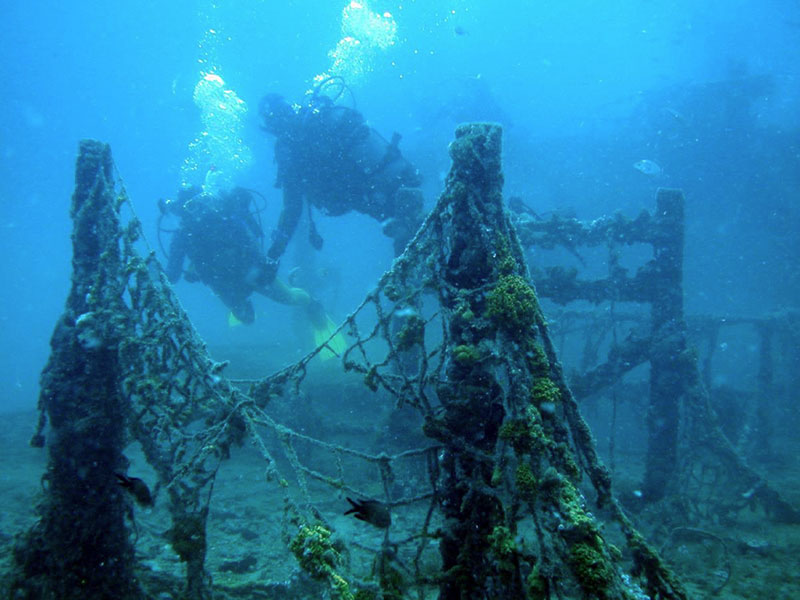
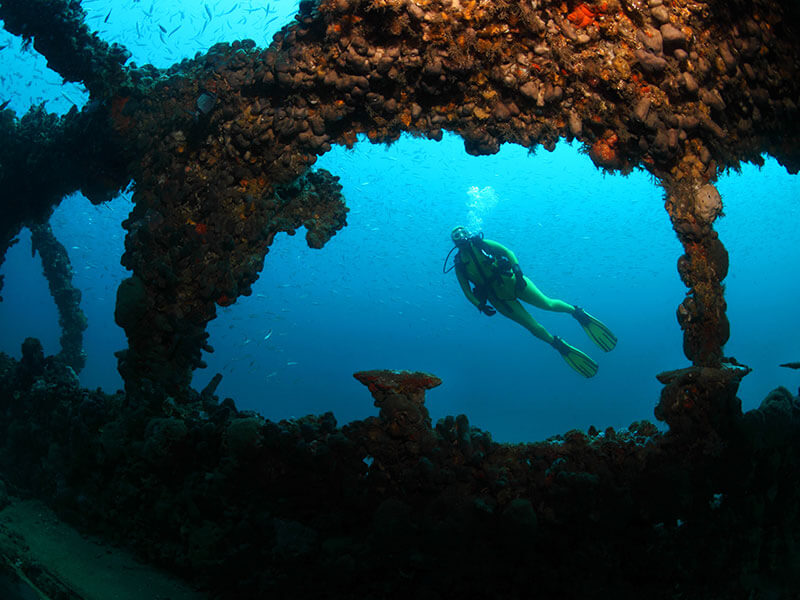
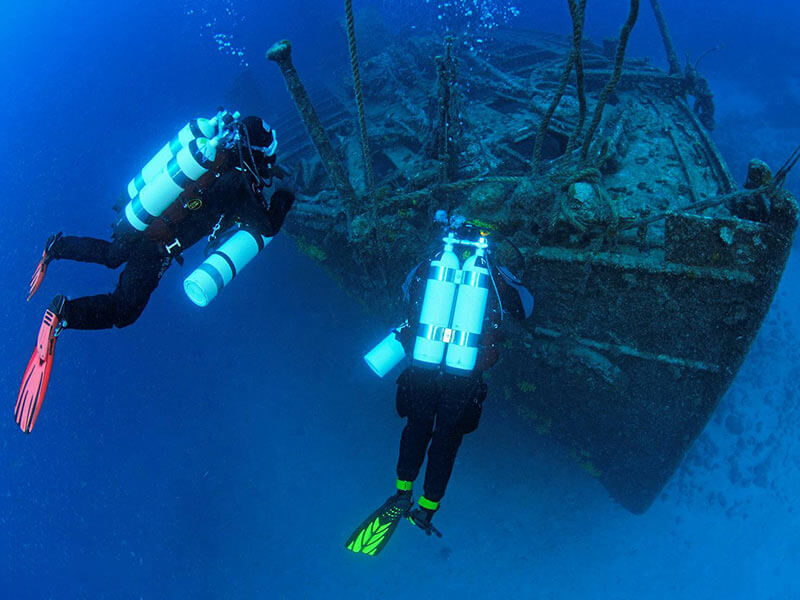
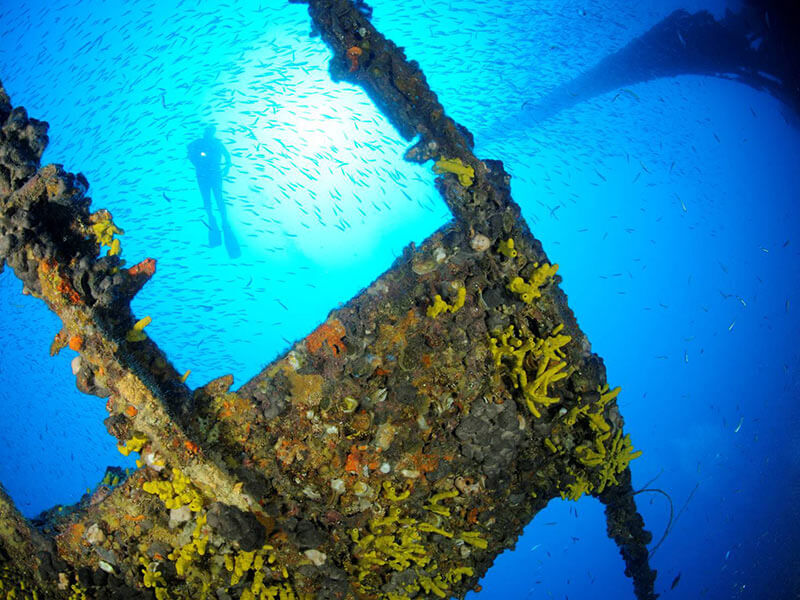
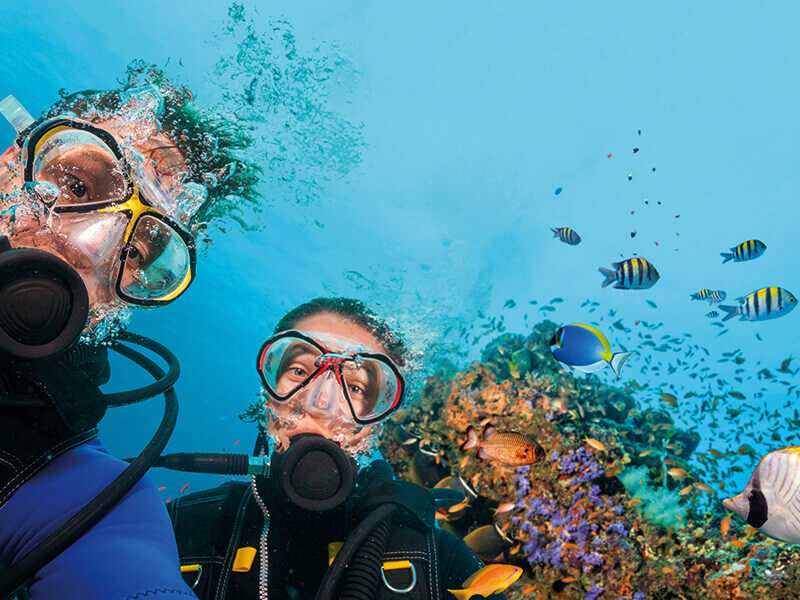
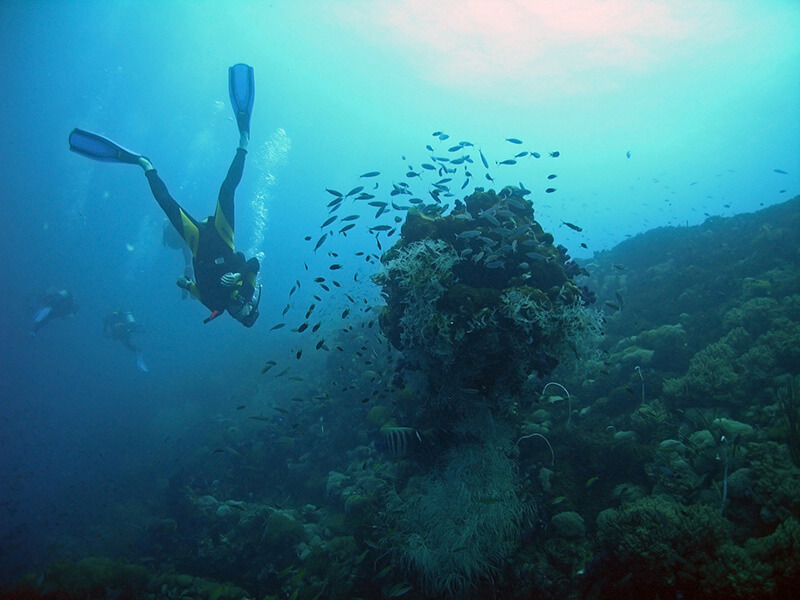
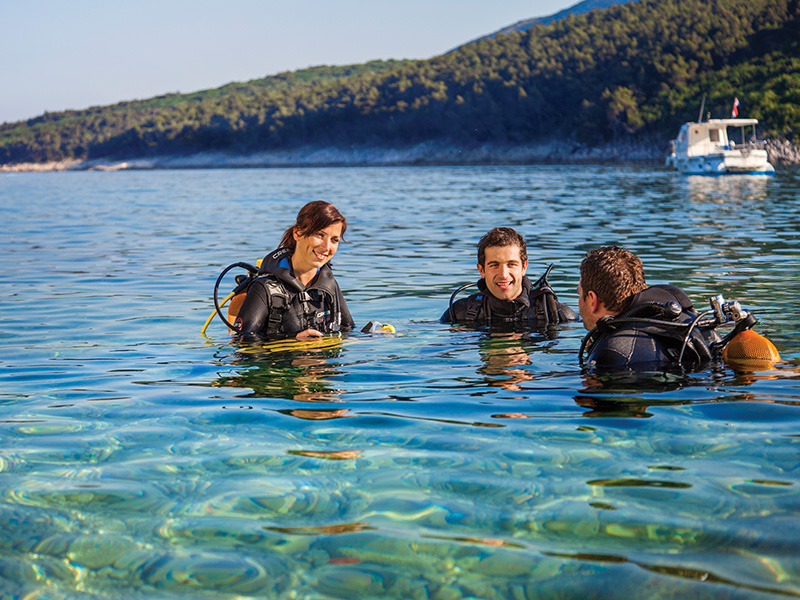
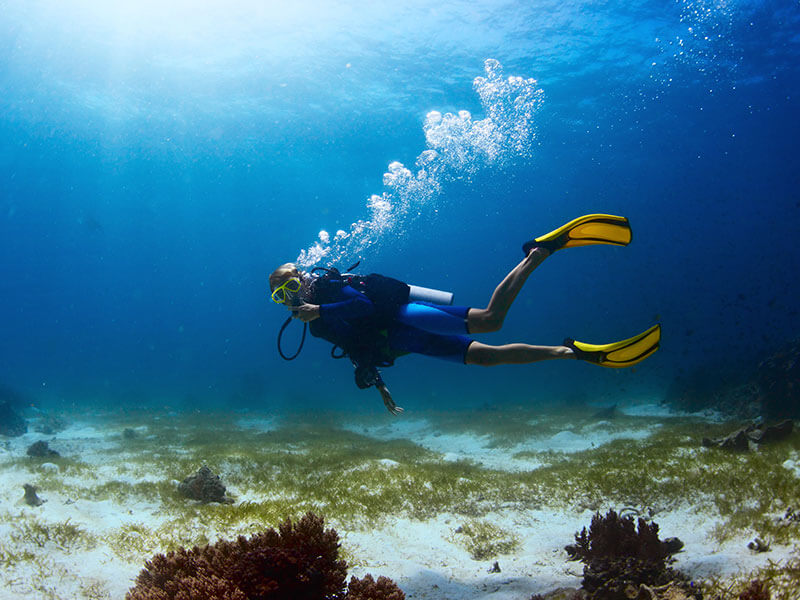
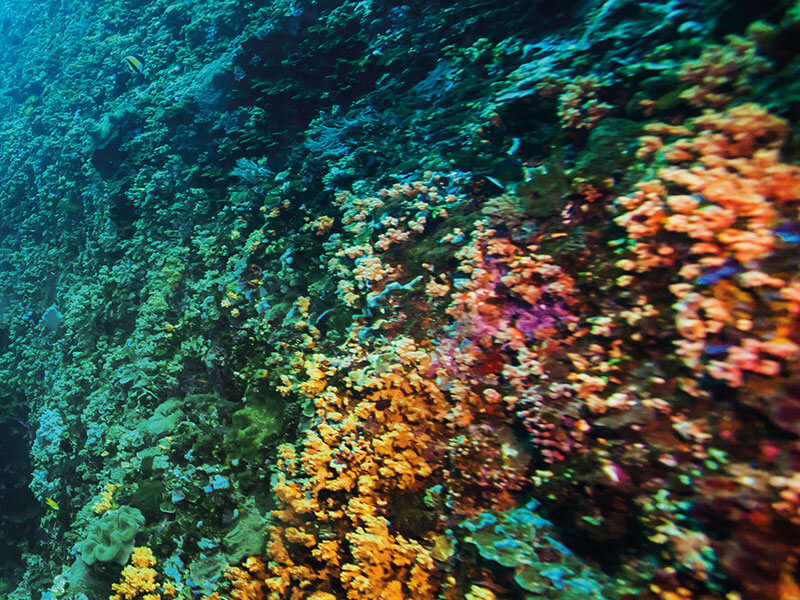
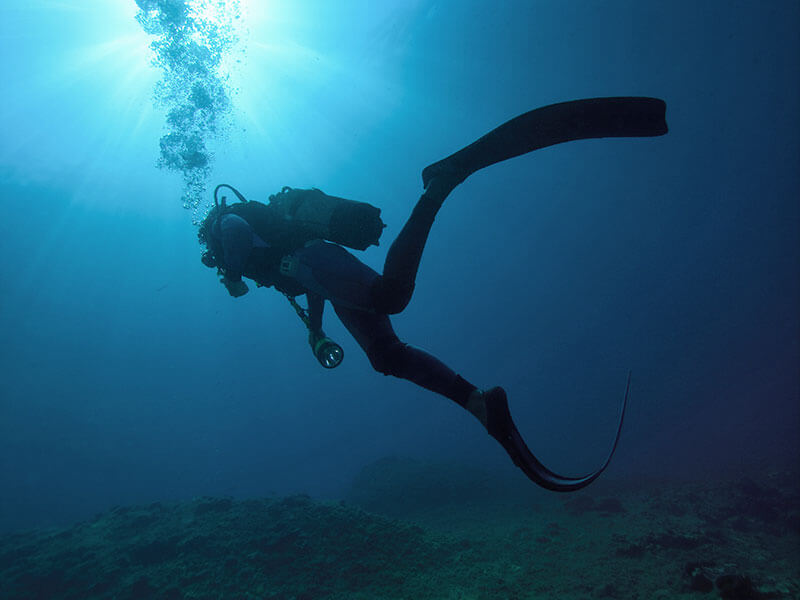
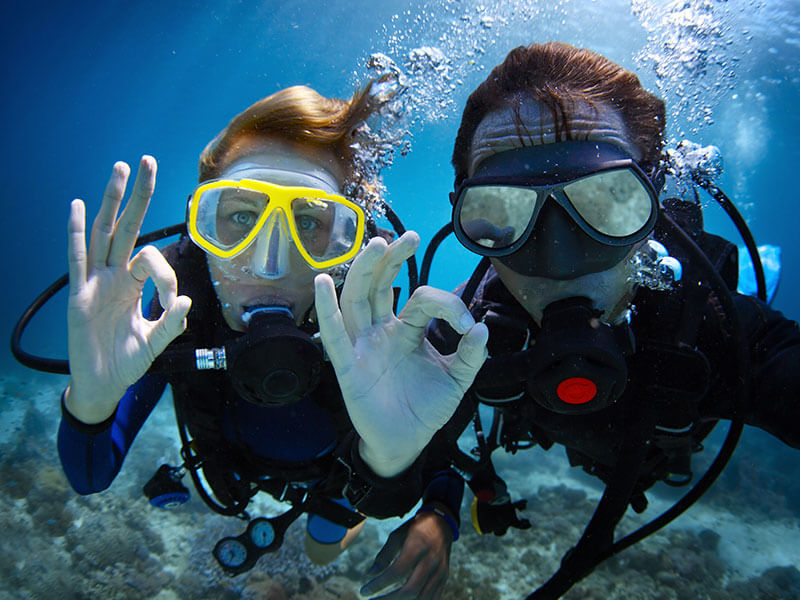
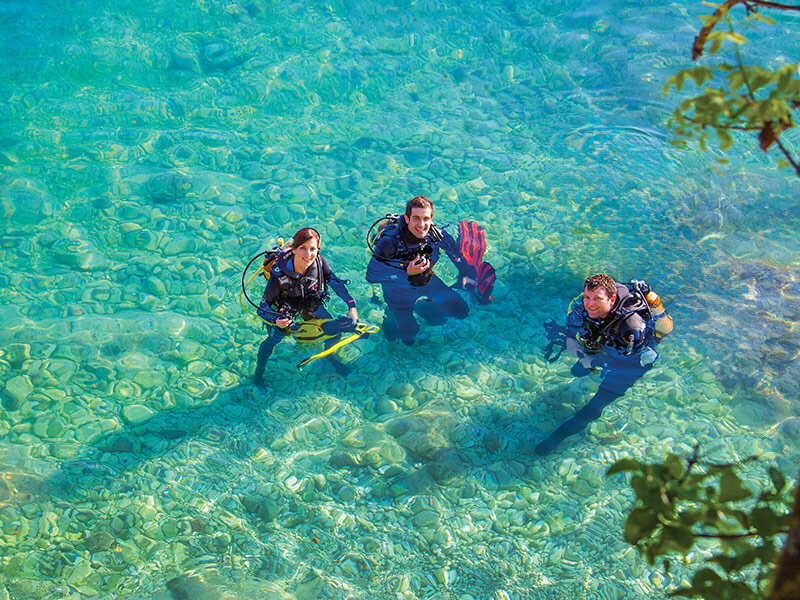
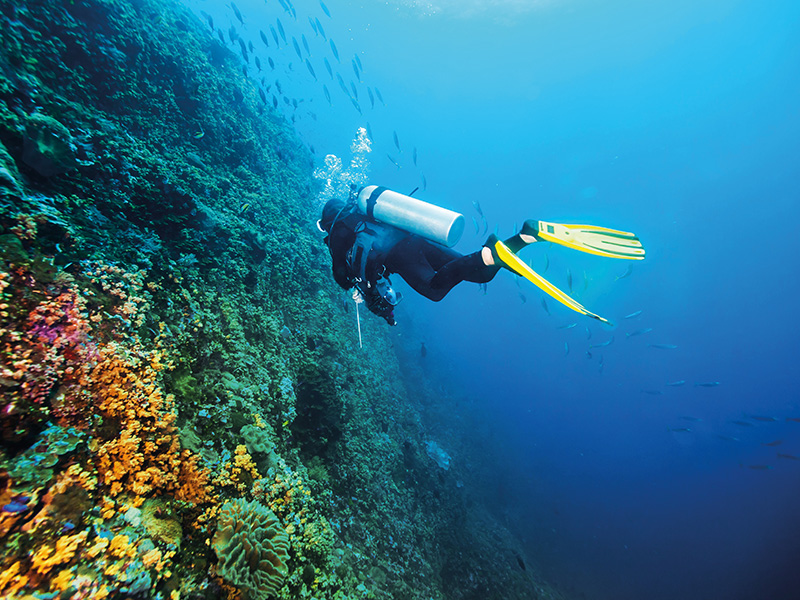
Embark on a journey of discovery to a world hidden from all but a few, an expanse of ethereal colour, sublime majesty and exhilarating experiences. The waters around the Istrian coastline are a diver’s paradise. Croatia’s temperate sea teems with a fantasia of sea life, reefs and shipwrecks. With dive tourism steadily increasing, over 100 centres throughout the region now provide the highest levels of safety and equipment for all levels from novice to the most advanced cave-diver. Because of the strategic position of the port of Pula, the western coast of Istria has been a busy trading route for centuries. Its relatively shallow waters harbour an extraordinary amount of sunken ships, from passenger liners to WWII submarines, and many lie off Pula’s coastline, including a perfectly preserved 19th century cargo steamship. For less experience divers, sites such as the small island of Piruzi provide incredible scenery at depths of less than 15 metres with graceful sea-horses, striped bream and yellow gorgonians colouring the turquoise waters. Similarly in the waters around the Brijuni Islands, shoals of saddled bream and grouper can be encountered at a wide reef located just six metres under the surface. Further north, off the northwest coast of Istria, the Gobo, Piranor and Buje Shoals are often used by dive schools to practise open water diving due to their remarkable visibility. Wherever you choose, the coastline of Croatia is renowned for having the clearest waters in the Mediterranean and provides a surreal adventure that dive tourists will never forget.
Wrecks - Top 10 Reefs - Top 10 Diving centre Important telephone numbers Useful information
San Giovanni’s (St. John’s) Island

San Giovanni’s (St. John’s) Island

A dive site for those who like small fish, it is also ideal for beginners. Excellent conditions for viewing marine life can be found already at a depth of 20 m without the need for deep diving. An ancient Roman quarry and sunken stone blocks provide a safe haven for many fish and crabs.

text: Željko Kamerla in collaboration with the Istria diving centres

The Rubini Reef

The Rubini Reef

Beginning at a depth of 20 m, the shoal near the lighthouse descends to 45 m. This dive site is only for divers experienced in deep diving who want to see more than just the typical life forms of shallow reefs. Here they can see fish such as large dentex, sea bass, scorpion fish, frogfish, etc.

text: Željko Kamerla in collaboration with the Istria diving centres

Faro Island (Lighthouse Sv. Ivan na Pučini)

Faro Island (Lighthouse Sv. Ivan na Pučini)

At the very end of the Roving archipelago rich in fish and other marine organisms, this islet has a beautiful rocky seabed that reaches to as deep as 45 m. This is a dive site for experienced divers.

text: Željko Kamerla in collaboration with the Istria diving centres

Bumbište

Bumbište

This exceptionally lovely site with a long and interesting wall stretching over 200 m in length is well suited for all types of courses and all types of divers. It is possible to dive to depths of up to or over 20 m. This dive site has a number of underwater nazes with numerous holes and underwater crags teeming with life and rich in colour. Because you enter the water only a few metres from the shore, this gives added safety to your dive.

text: Željko Kamerla in collaboration with the Istria diving centres

Cape Rakovica

Cape Rakovica

During a dive, at a depth of 29 – 32 m, you will come across fragments of amphora, the remains of an ancient Roman shipwreck. For the most part, you dive along an interesting wall with many caves and teeming with life, which reaches a depth greater than 30 m. In the springtime, you can often see octopuses that come here looking for a place to lay their eggs.

text: Željko Kamerla in collaboration with the Istria diving centres

Red Crag

Red Crag

This site, usually used for final dives in beginner diving courses, is also suitable for practising orientation skills and the use of a compass. The dive takes you along a gently inclined rocky slope that ends in sand at a depth of about 20 m. Diving is easy and safe, because the depth is not great, while orientation is very easy.Depending on the season, it is possible to come across large examples of quality fish such as dentex, bass, gilt poll or leer fish.

text: Željko Kamerla in collaboration with the Istria diving centres

Wall near Škvaranske

Wall near Škvaranske

You begin the dive on the north side by jumping into the water and diving along the crag. The bottom slowly begins to drop as you follow the crag on the right and dive in a southerly direction. The crag rises vertically above you; it curves gently, creating underwater coves. Although the site has an average depth of about 25 m, there are two rocky extensions that go down to depths of about 40 m. This is a dive in which you do not return to your point of entry. The boat is anchored to the south and when you have finished your dive, you swim to it. Because the wall is rather long and interesting, a dive may last up to 60 minutes.

text: Željko Kamerla in collaboration with the Istria diving centres

Cape Peneda

Cape Peneda

Cape Peneda is situated on the southeastern side of the Brijuni National Park. This is a dive site suited to all – from beginners to advanced divers. Walls and tunnels teeming with flora and fauna are located at depths of 4 – 35 m.

text: Željko Kamerla in collaboration with the Istria diving centres

Seagull Crag

Seagull Crag

At this site, you dive along a vertical cliff that winds parallel to the shore and takes you to a number of tunnels and swim-throughs. At the cliff’s end, you come to a tunnel 20 m long that ends in a large cave, about 20 m in diameter and 10-15 m high, through which the shore can be reached. This is a favourite site for the second dive of the day or simply for testing diving skills.

text: Željko Kamerla in collaboration with the Istria diving centres

Stoja

Stoja

This dive site is suited to all types of divers and all categories. Diving takes place along the seashore at the Stoja Motor Camp located at the northern cape. Relative to the shore, the terrain is rather steep, and it is characteristic for its rocky, irregular configuration with many crevices and canyons among the rocks.

text: Željko Kamerla in collaboration with the Istria diving centres