Meetings and eventsAgencies
Valamar Quality Centre Groups

Diving in Istra

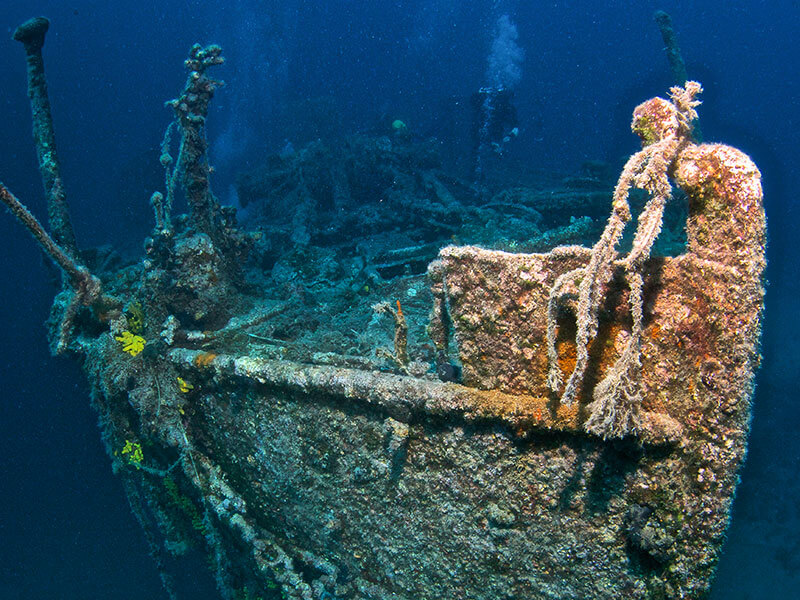
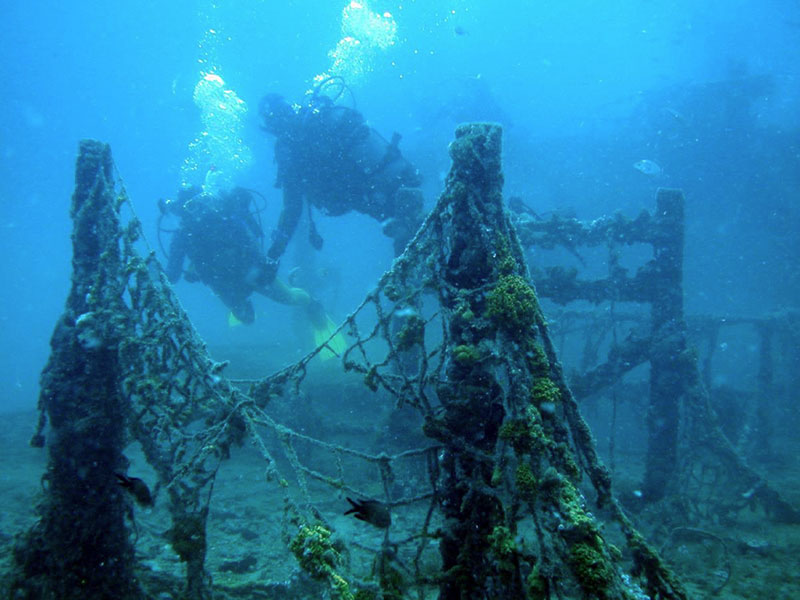
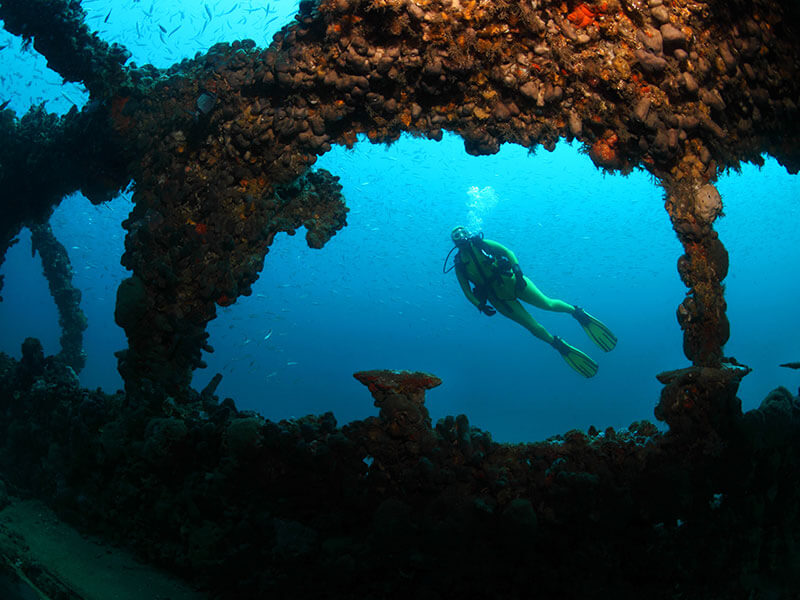
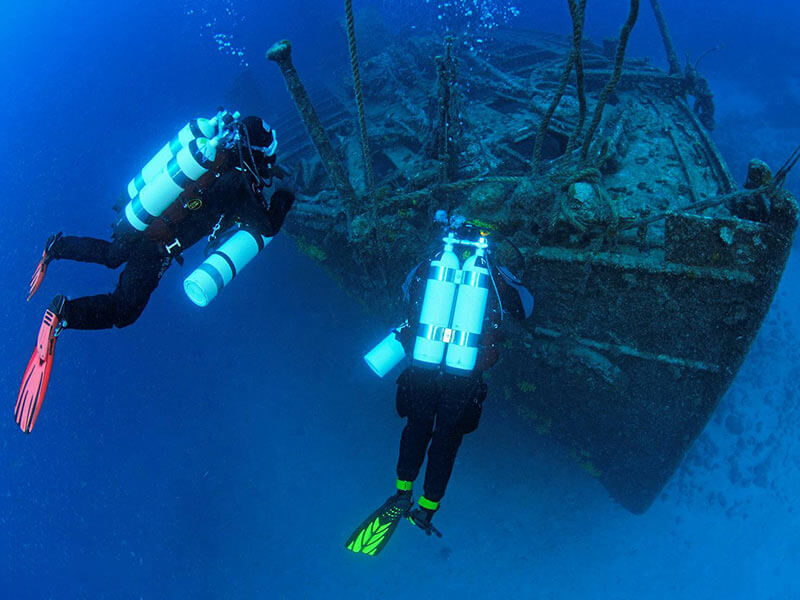
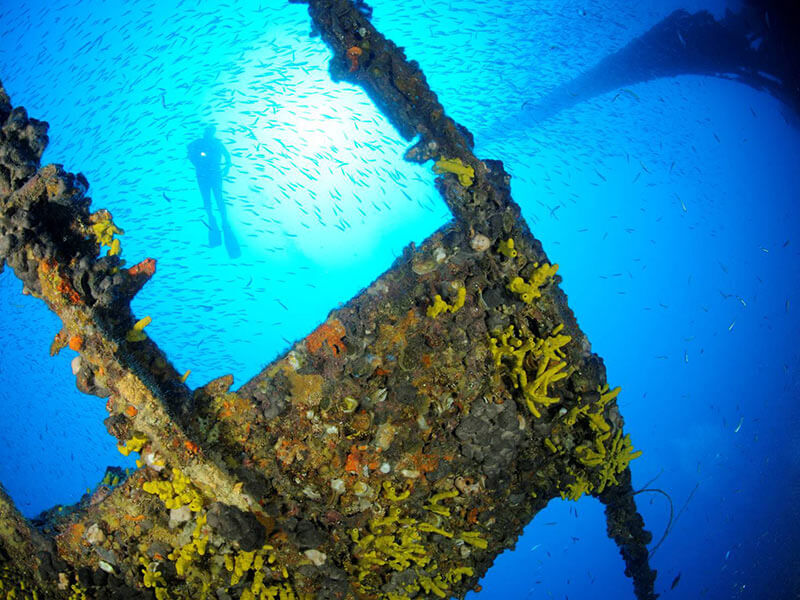
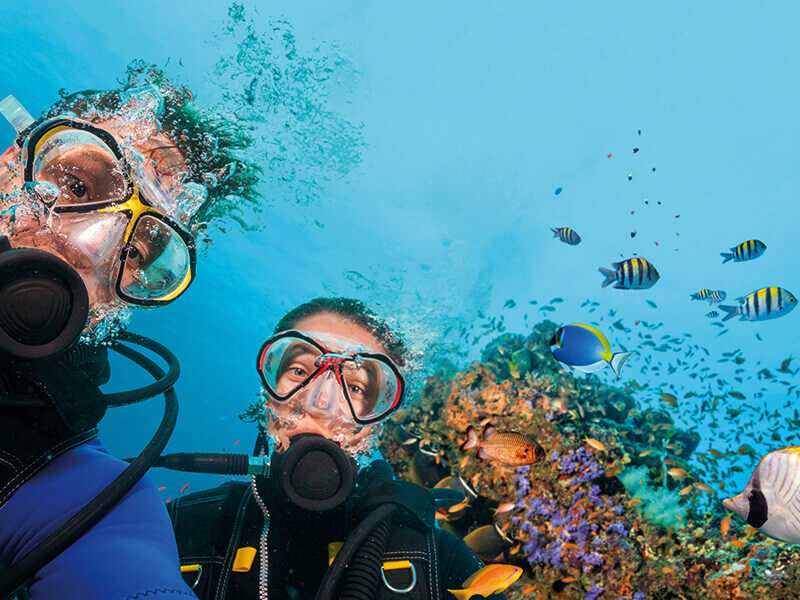
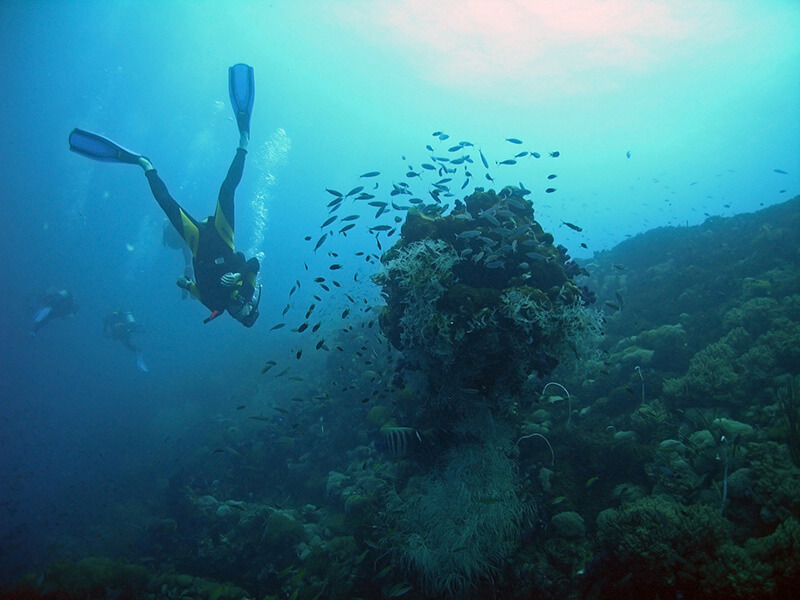
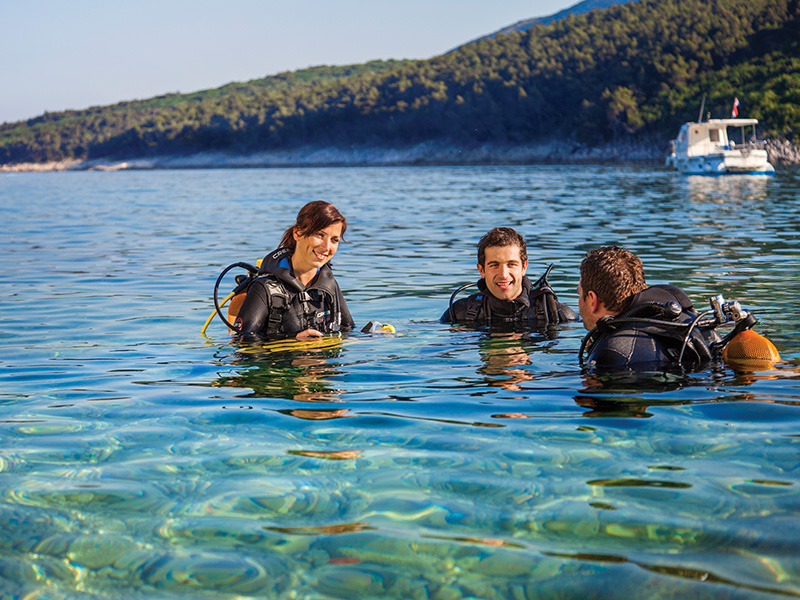
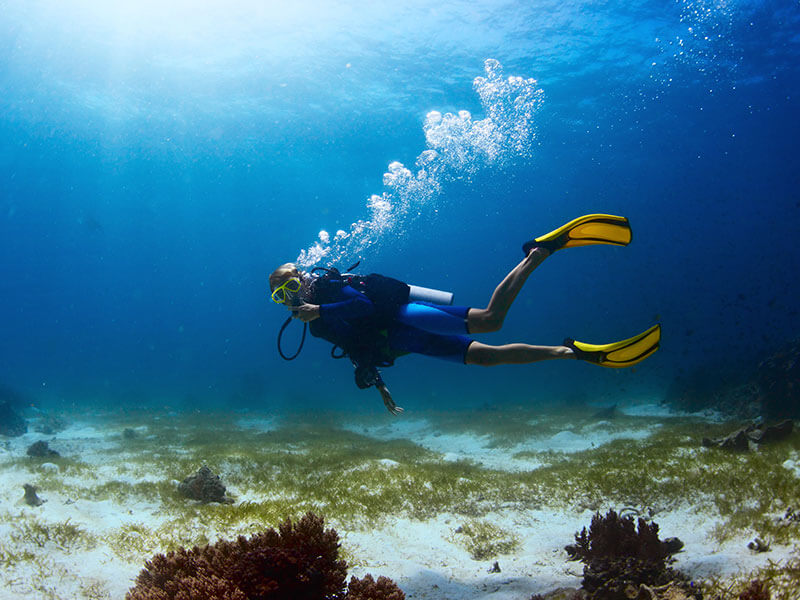
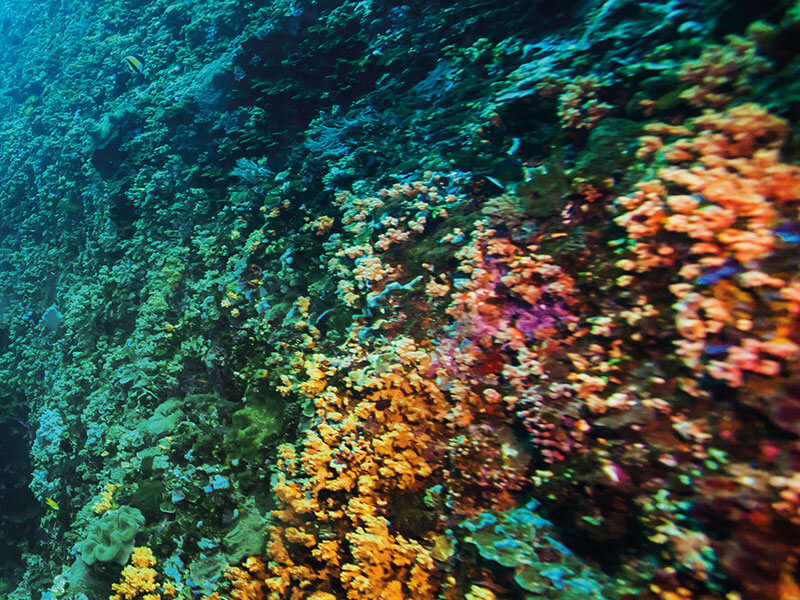
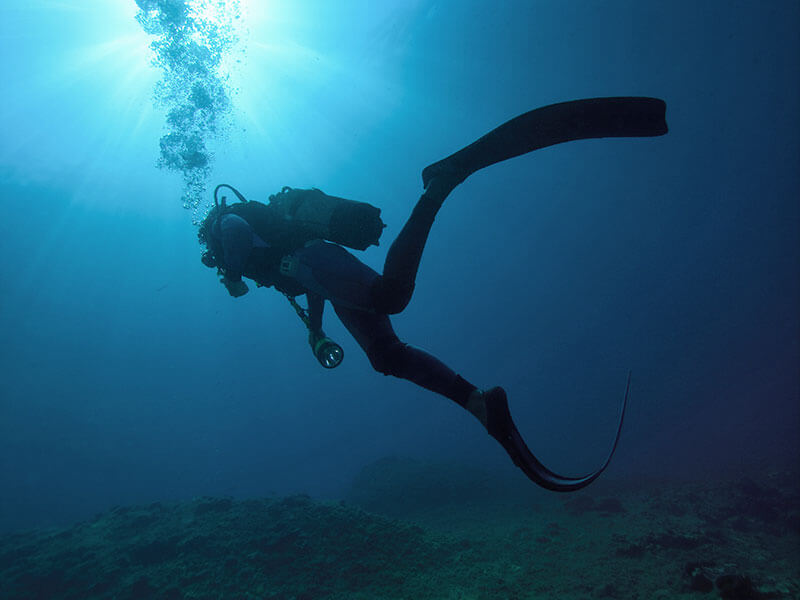
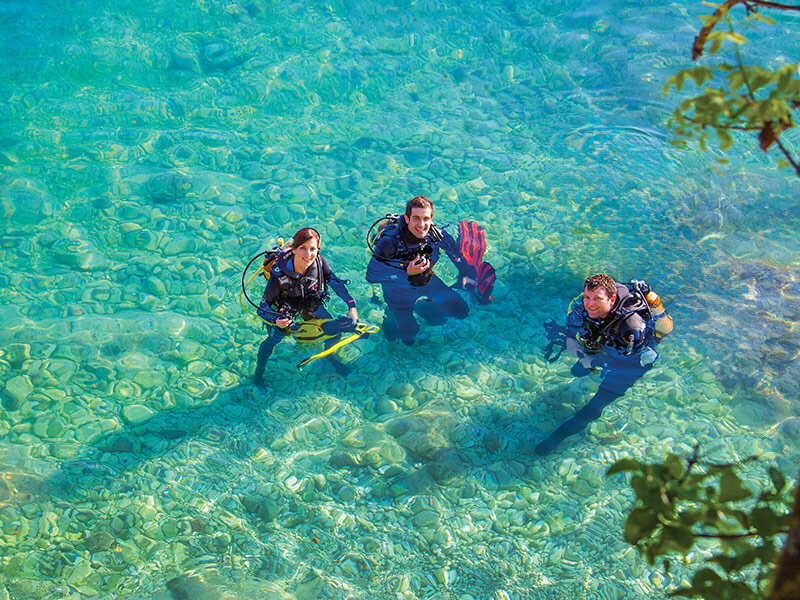
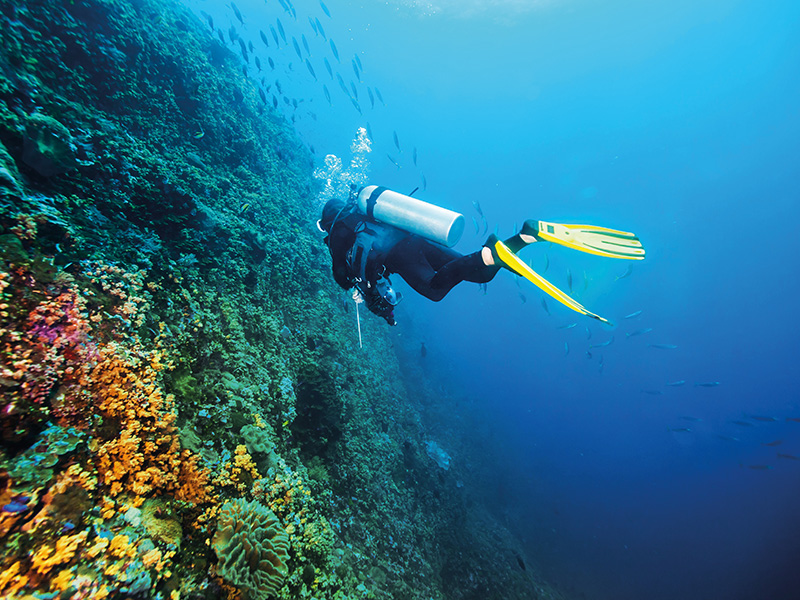
Embark on a journey of discovery to a world hidden from all but a few, an expanse of ethereal colour, sublime majesty and exhilarating experiences. The waters around the Istrian coastline are a diver’s paradise. Croatia’s temperate sea teems with a fantasia of sea life, reefs and shipwrecks. With dive tourism steadily increasing, over 100 centres throughout the region now provide the highest levels of safety and equipment for all levels from novice to the most advanced cave-diver. Because of the strategic position of the port of Pula, the western coast of Istria has been a busy trading route for centuries. Its relatively shallow waters harbour an extraordinary amount of sunken ships, from passenger liners to WWII submarines, and many lie off Pula’s coastline, including a perfectly preserved 19th century cargo steamship. For less experience divers, sites such as the small island of Piruzi provide incredible scenery at depths of less than 15 metres with graceful sea-horses, striped bream and yellow gorgonians colouring the turquoise waters. Similarly in the waters around the Brijuni Islands, shoals of saddled bream and grouper can be encountered at a wide reef located just six metres under the surface. Further north, off the northwest coast of Istria, the Gobo, Piranor and Buje Shoals are often used by dive schools to practise open water diving due to their remarkable visibility. Wherever you choose, the coastline of Croatia is renowned for having the clearest waters in the Mediterranean and provides a surreal adventure that dive tourists will never forget.
Wrecks - Top 10 Reefs - Top 10 Diving centre Important telephone numbers Useful information
Gilda

Gilda

A freight steam ship lies off Cape Savudrija, Istria’s most northern cape. Having hit an underwater mine, the Gilda was split in two. As this dive site is on the open sea, you will do an open water dive with the help of an anchored rope or the rope of a buoy tied to the wreck. When diving at this site, all divers need to be alert and cautious. In the company of an experienced guide, your adventure and merging with the underwater world is sure to become an experience you won’t forget.

text: Željko Kamerla in collaboration with the Istria diving centres

Coriolanus

Coriolanus

The wreck of the Coriolanus, a sunken battle ship of the British Royal Navy of the Shakespeare class, is located west of Novigrad at a depth from 11 – 25 m. Although being a minesweeper, the ship sunk after hitting a mine. Powered by steam engines, designed for the roughest weather, and weighing more than 554 tons, it was armed with anti-aircraft cannons and 30 anti-submarine depth charges. Launched in 1940, it was part of a 12-ship fleet.

text: Željko Kamerla in collaboration with the Istria diving centres

Numidia

Numidia

Dating back to World War II, the wreck of the Numidia is one of the largest in the Adriatic Sea. Its incredible length of 120 m represents a true challenge to all experienced divers. With the wreck located at a depth from 33 – 40 m, much experience is needed in planning the dive. Depending upon water currents, the visibility at this dive site may vary, and only a few divers have been lucky enough to see the wreck.

text: Željko Kamerla in collaboration with the Istria diving centres

Luana

Luana

Once a merchant ship, the Luana sank in 1943 during World War II. During one of its regular voyages, the Luana hit a mine, which makes it exceptionally interesting to all divers. Its wreck lies in an upright position, and its faithful visitors are weak sea currents and multitudes of fish. Because of the depth at which it is located, only experienced divers can enter the wreck of the Luana that continues to stand proudly, well-preserved and intact, despite the disaster that struck it.

text: Željko Kamerla in collaboration with the Istria diving centres

Vis (ex Renteria)

Vis (ex Renteria)

The cargo steamship Vis was built in 1921 under the name Renteria. In 1946, the Vis set sail for Raša from Rijeka for a load of coal. Because of the minefield had not yet been cleared in the central part of Vela Vrata, the captain was ordered to stay as close the Istrian coastline as possible. However, not far from Cape Mašnjak at the entrance to Plomin Bay, a powerful explosion shook the boat. The shipwrecked crew were saved by a sailing vessel and taken to Rab.

text: Željko Kamerla in collaboration with the Istria diving centres

Lina (ex Ville de Natur, ex Nueva Estramandura)

Lina (ex Ville de Natur, ex Nueva Estramandura)

This iron steamship was built in 1879 in Great Britain, at a time when iron steamships had already won the race against sailboats. It sailed the entire Mediterranean and up to northern Europe transporting oil and wine from the Italian province of Puglia, and brining back coal from Cardiff on the return voyage. On the night of 14.01.1914, because of thick fog, the ship lost its way while navigating through the Vela Vrata Channel. A heavy storm caused the ship to run aground near Cape Pečen on Cres.

text: Željko Kamerla in collaboration with the Istria diving centres

Argo (ex HMS Flint, ex Royal Navy Isle Class Trawler)

Argo (ex HMS Flint, ex Royal Navy Isle Class Trawler)

In 1948, the Argo set sail for Rijeka from Venice with a cargo of tomatoes. The ship hit a mine left over from World War II. A strong explosion ripped the vessel in two just behind the commanding bridge. The prow and the stern lie some 50 m apart. Both parts are in an upright position, only slightly sunken in mud. Parts of the ship and ship equipment can be seen strewn between the prow and the stern. Both anchors are still in place.

text: Željko Kamerla in collaboration with the Istria diving centres

Submarine

Submarine

This Germany submarine was sunk towards the end of World War II in the open sea near the Stoja swimming beach in Pula. It was one of the seven submarines that the Germans themselves sank immediately before the war ended. The submarine is not whole; only its stern, which is open, has been found. Still visible on the submarine are the remains of military equipment and air holes. Because of the vicinity of the beach, diving is also possible in unfavourable weather conditions.

text: Željko Kamerla in collaboration with the Istria diving centres

Remorker

Remorker

This tugboat that sank in the 1960s was used for maneuvering larger ships in the harbour. Because of its fairly small size, it is not possible to dive inside the wreck but only around it. The greatest attraction at this dive site is the many fish that inhabit the wreck. Although small, its abundance of fish makes it a very interesting site for divers who have just mastered the techniques of wreck diving or deep diving.

text: Željko Kamerla in collaboration with the Istria diving centres

Varese

Varese

The Italian merchant steamship Varese sank in 1915 while transporting cargo from Trieste to Tunisia. Because of stormy weather in the northern Adriatic, the captain decided to seek refuge in the port of Pula. Sailing towards the harbour, the ship struck a mine that destroyed the prow, causing the ship to sink to the spot it is located today. It is possible to dive inside the wreck, which is quite wide and safe in its entire length.

text: Željko Kamerla in collaboration with the Istria diving centres