Agencies Valamar Quality Centre Groups

Diving in Poreč

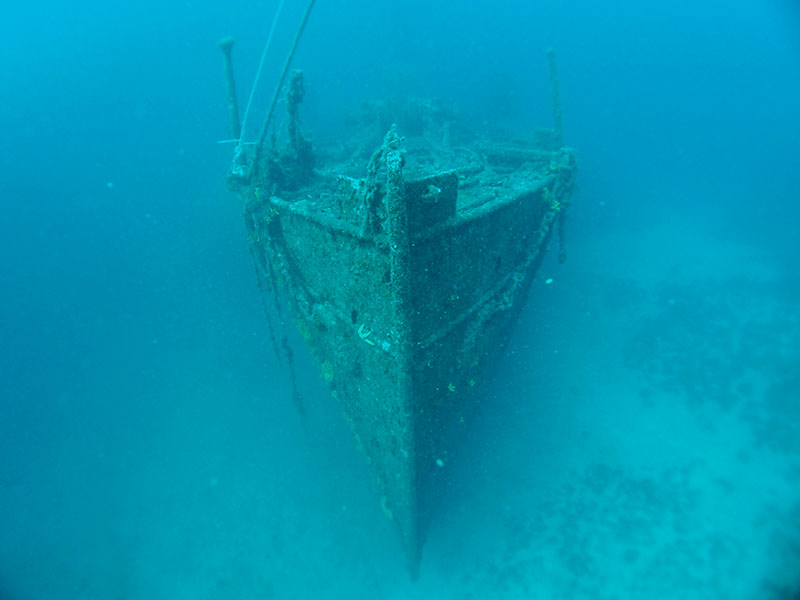
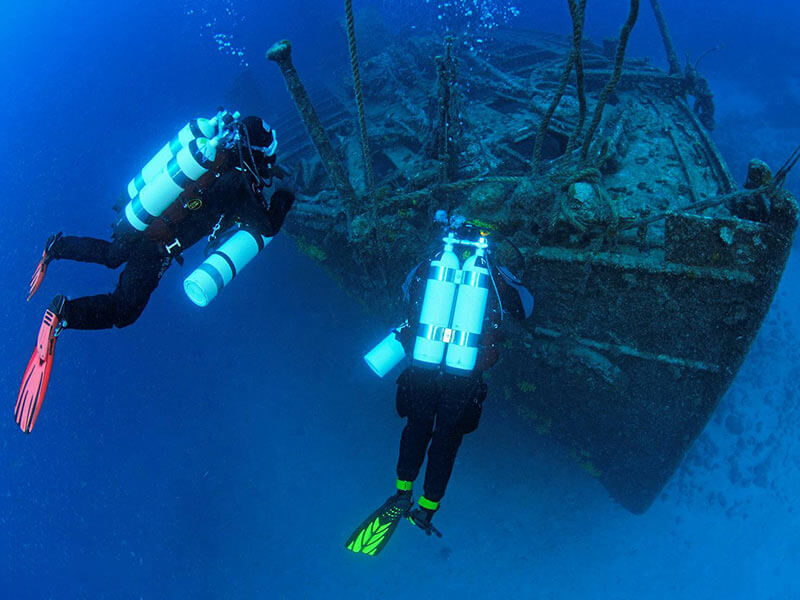
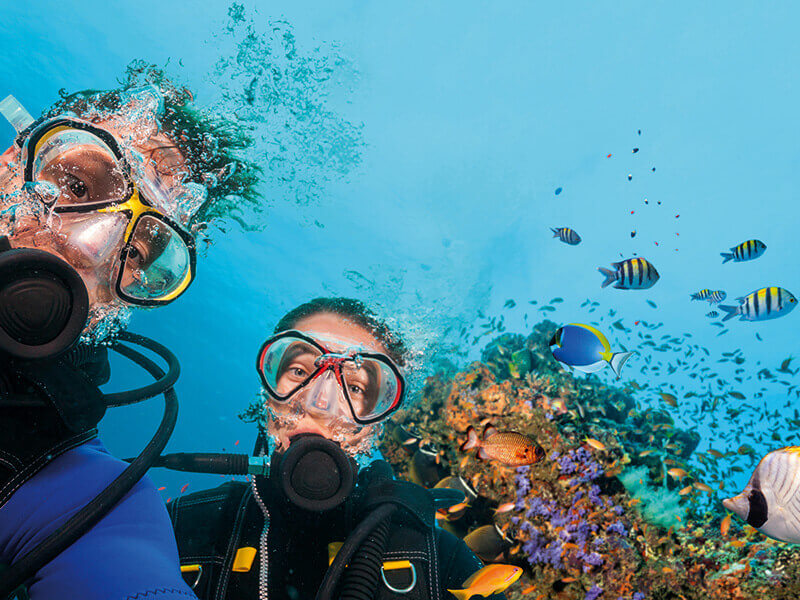
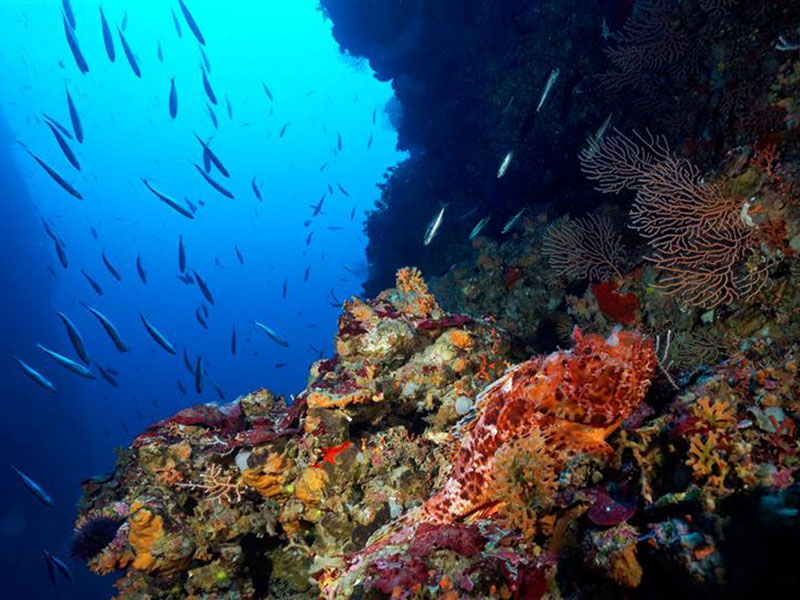
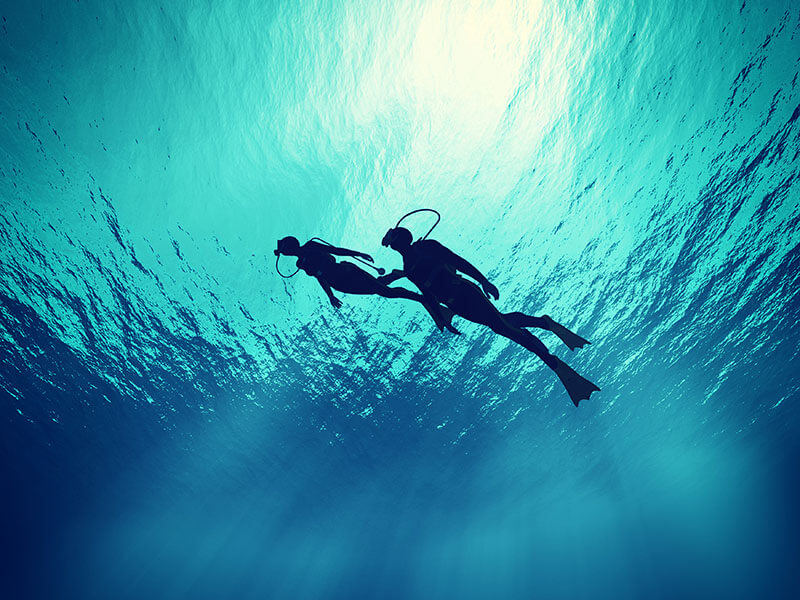
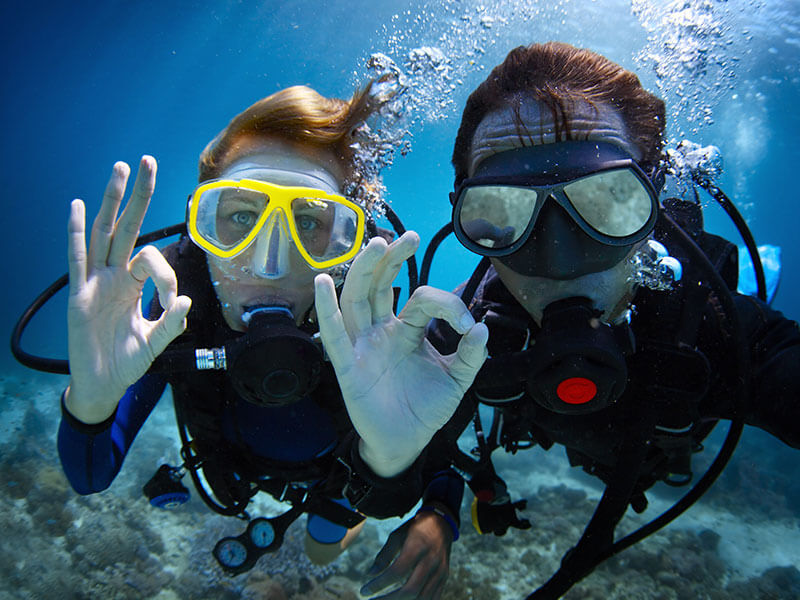
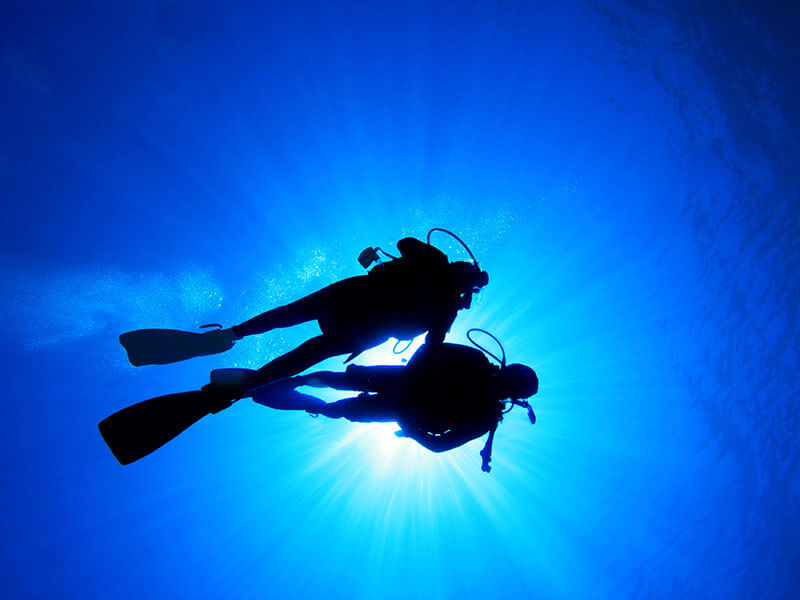
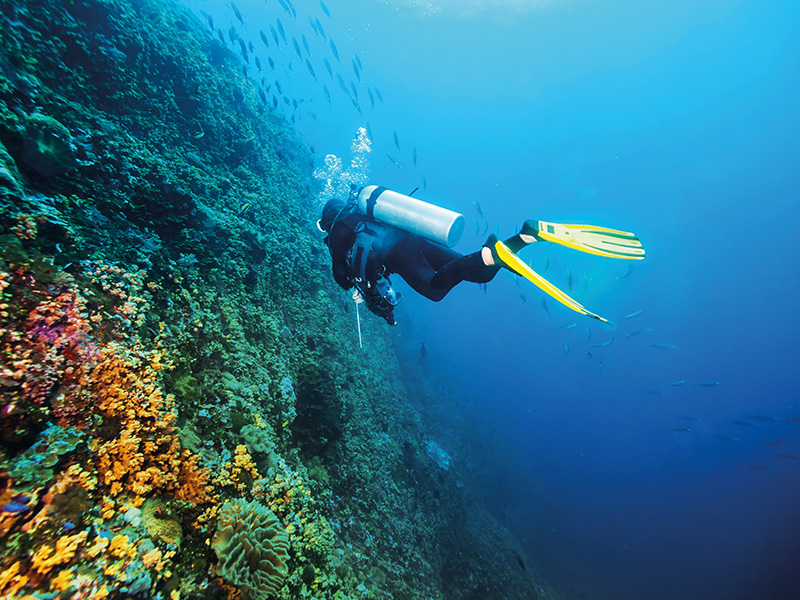
The tourism appeal of Poreč doesn’t just lie in its stunning natural beauty and fascinating history. Offshore too, the beauty of the deep lures dive tourists from all over the world. Little can compare to the excitement of uncovering the mysteries of the underwater world. Gliding effortlessly amidst a barrage of colourful sea life is a magical experience. But good visibility and a plethora of marine attractions make the difference between a good dive and a fantastic dive. Thankfully, the waters off Poreč offer some of the best diving conditions in Croatia. Plenty of exhilarating locations feature vibrant reefs, fascinating wrecks and sea life in stunning crystal clear clarity. Explore the vertical cliff walls of the Kampani and Tempesta reefs and a trio of underwater caves on the island of Banjole. The marine life rich walls at the entrance to the Lim Channel also provide memorable discoveries, teeming with fish, lobsters and crabs. More experienced divers will be drawn to two incredible shipwrecks. One of the most impressive in Croatia’s waters is the famous Baron Gautsch, an Austrian passenger ship that sank several miles southwest of Poreč in 1914 after hitting a mine. This majestic vessel now sits perfectly preserved upright on the sea bed. For divers with the appropriate certification and experience, two decks are open for exploration. The other notable shipwreck is the British battleship, Coriolanus found west of Novigrad at a depth of 11 metres. Ironically, the bow of the ship was blown wide open after the minesweeper hit a mine in 1945. Dive centres located in Poreč bring this enchanting world easily within reach, no matter whether you’ve dived before or an old hand at this exhilarating sport.
Wrecks Reefs Diving centres Important telephone numbers Useful information
The Gobo Shoals

The Gobo Shoals

Underwater mines and torpedoes from World War II can be found at depths from 8 – 14 m. This site is suited to beginners because visibility is excellent due to the rocky seabed. Diving instructors often bring course attendants to this site so they can practise boat diving and open water diving.

text: Željko Kamerla in collaboration with the Istria diving centres

The Lim Shoals

The Lim Shoals

The shoals at the very entrance to the Lim Channel are characterised by short but rich “walls” that reach to a depth of 25 m. This site is rich in seabed fish and crabs. The steep structure of the seabed and the hollow “burnt-out” crags provide an idea habitat for many crustaceans.

text: Željko Kamerla in collaboration with the Istria diving centres

The Salina Coast

The Salina Coast

This is the ideal destination for any diver intent on seeing a lobster or an eel. Covered with hollow rocks, the seabed holds an abundance of seabed fish. The Salina Coast is a favourite among divers also because it is the location best protected against storms.

text: Željko Kamerla in collaboration with the Istria diving centres

The Salina Wreck

The Salina Wreck

This is a dive site for beginners wanting to see a shipwreck for the first time. Although small, this wreck, at a depth of 16 m, provides an exciting experience for the novice diver. Nearby is the beginning of a rocky seabed that provides additional excitement to end the dive experience.

text: Željko Kamerla in collaboration with the Istria diving centres

The Piranor Shoals

The Piranor Shoals

Underwater mines and torpedoes from World War II can be found at depths from 8 – 14 m. This site is suited to beginners because visibility is excellent due to the rocky seabed. Diving instructors often bring course attendants to this site so they can practise boat diving and open water diving.

text: Željko Kamerla in collaboration with the Istria diving centres

Figarola Island

Figarola Island

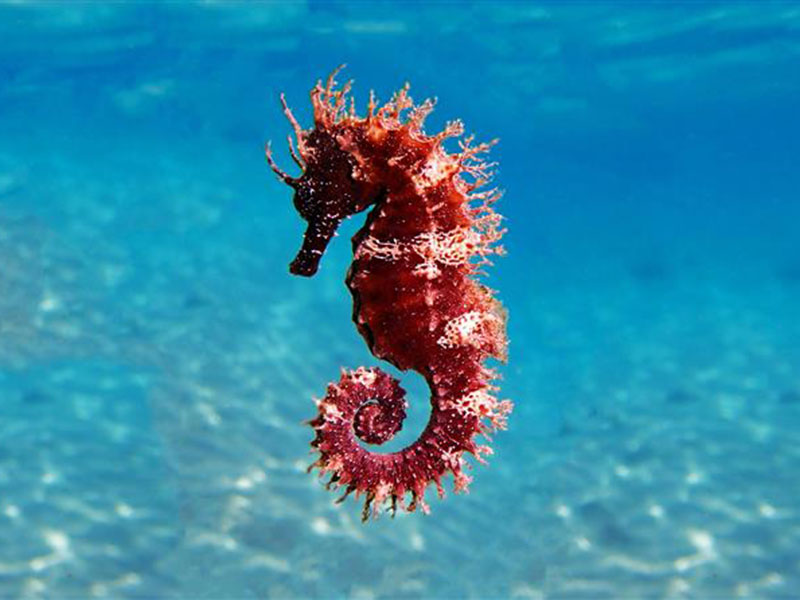
This islet is a favourite beginner’s destination because of its terrace-shaped underwater structure and depths not greater than 20 m. Divers have a chance of seeing seahorses, eels, lobsters, as well as the common torpedo and St. Peter’s fish.

text: Željko Kamerla in collaboration with the Istria diving centres

Banjol Island

Banjol Island

Not far from Rovinj and located in one of the most appealing sites on Istria’s western coast, this islet with 3 caves at a depth of 12 m is the ideal spot for beginners as well as deep-diving enthusiasts, as it is possible to dive as deep as 35 m down the rocky reef.

text: Željko Kamerla in collaboration with the Istria diving centres

Sturag Island

Sturag Island

The rocky structure of the islet’s western seafloor resembles canyons stretching from the shallows to a depth of 18 m. It enables divers to dive between high rock walls, protected from currents, and surrounded by numerous fish, characteristic of this seabed habitat.

text: Željko Kamerla in collaboration with the Istria diving centres

 San Giovanni’s (St. John’s) Island

San Giovanni’s (St. John’s) Island

A dive site for those who like small fish, it is also ideal for beginners. Excellent conditions for viewing marine life can be found already at a depth of 20 m without the need for deep diving. An ancient Roman quarry and sunken stone blocks provide a safe haven for many fish and crabs.

text: Željko Kamerla in collaboration with the Istria diving centres

The Rubini Reef

The Rubini Reef

Beginning at a depth of 20 m, the shoal near the lighthouse descends to 45 m. This dive site is only for divers experienced in deep diving who want to see more than just the typical life forms of shallow reefs. Here they can see fish such as large dentex, sea bass, scorpion fish, frogfish, etc.

text: Željko Kamerla in collaboration with the Istria diving centres

Faro Island (Lighthouse Sv. Ivan na Pučini)

Faro Island (Lighthouse Sv. Ivan na Pučini)

At the very end of the Roving archipelago rich in fish and other marine organisms, this islet has a beautiful rocky seabed that reaches to as deep as 45 m. This is a dive site for experienced divers.

text: Željko Kamerla in collaboration with the Istria diving centres

The Buje Shoals

The Buje Shoals

Underwater mines and torpedoes from World War II can be found at depths from 8 – 14 m. This site is suited to beginners because visibility is excellent due to the rocky seabed. Diving instructors often bring course attendants to this site so they can practise boat diving and open water diving.

text: Željko Kamerla in collaboration with the Istria diving centres