Agencies Valamar Quality Centre Groups

Diving in Poreč

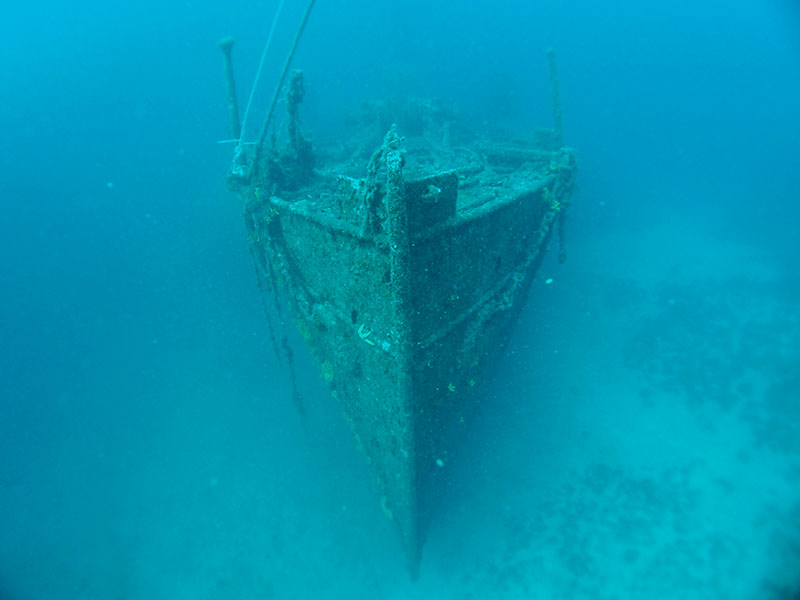
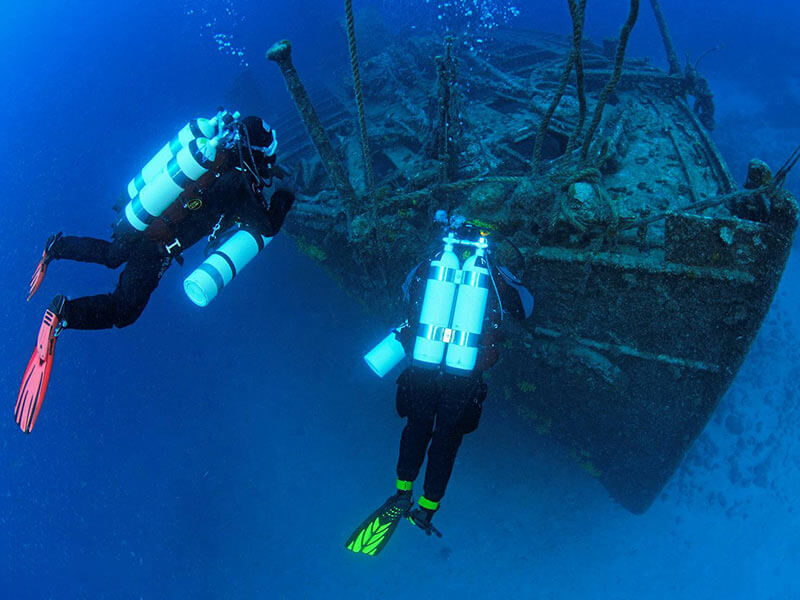
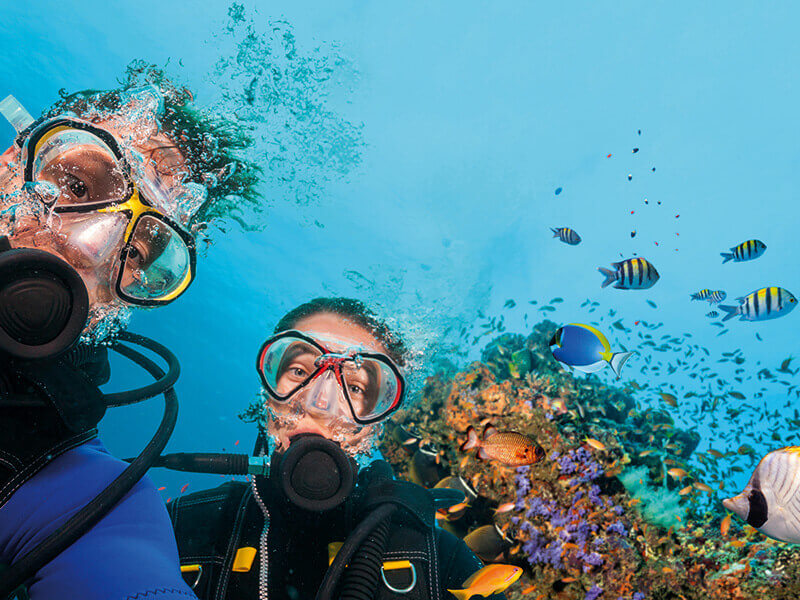
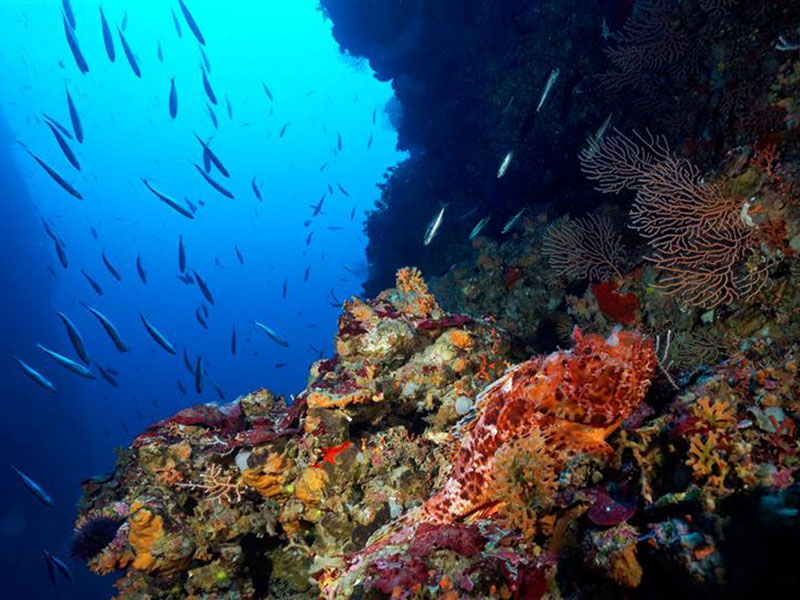
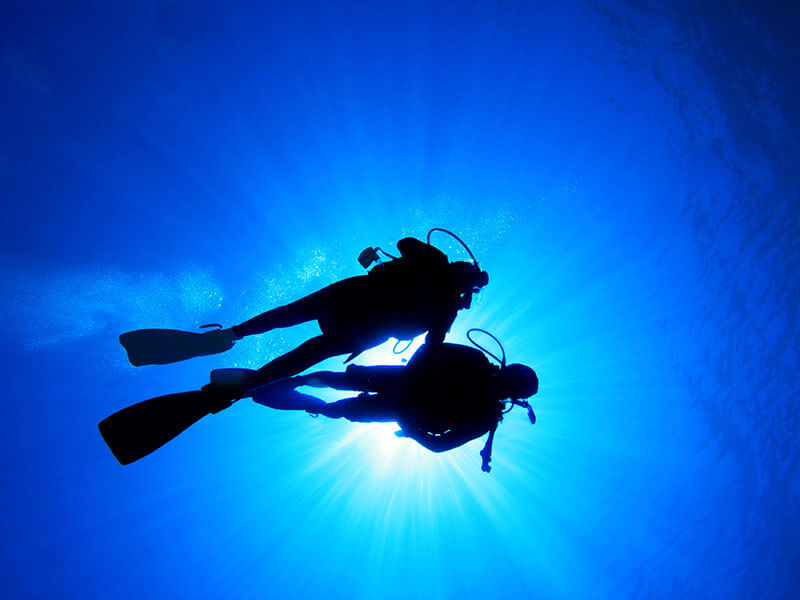
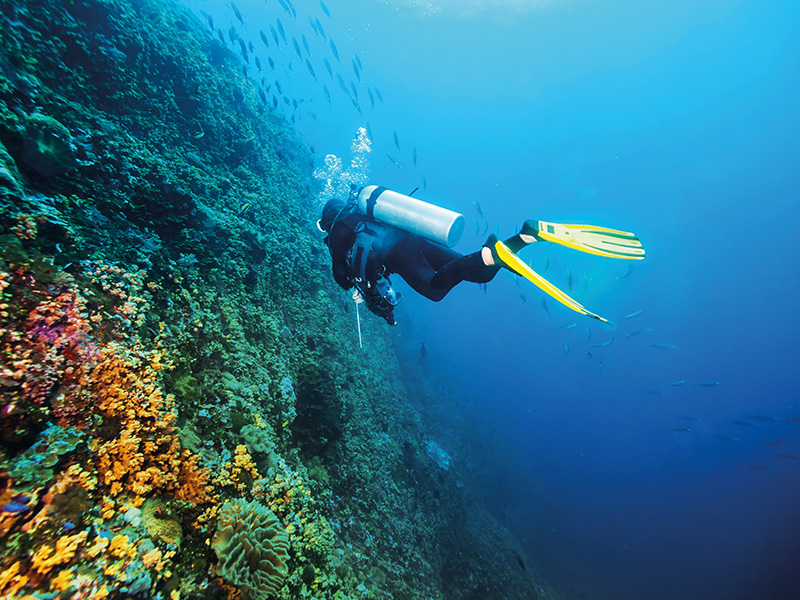
The tourism appeal of Poreč doesn’t just lie in its stunning natural beauty and fascinating history. Offshore too, the beauty of the deep lures dive tourists from all over the world. Little can compare to the excitement of uncovering the mysteries of the underwater world. Gliding effortlessly amidst a barrage of colourful sea life is a magical experience. But good visibility and a plethora of marine attractions make the difference between a good dive and a fantastic dive. Thankfully, the waters off Poreč offer some of the best diving conditions in Croatia. Plenty of exhilarating locations feature vibrant reefs, fascinating wrecks and sea life in stunning crystal clear clarity. Explore the vertical cliff walls of the Kampani and Tempesta reefs and a trio of underwater caves on the island of Banjole. The marine life rich walls at the entrance to the Lim Channel also provide memorable discoveries, teeming with fish, lobsters and crabs. More experienced divers will be drawn to two incredible shipwrecks. One of the most impressive in Croatia’s waters is the famous Baron Gautsch, an Austrian passenger ship that sank several miles southwest of Poreč in 1914 after hitting a mine. This majestic vessel now sits perfectly preserved upright on the sea bed. For divers with the appropriate certification and experience, two decks are open for exploration. The other notable shipwreck is the British battleship, Coriolanus found west of Novigrad at a depth of 11 metres. Ironically, the bow of the ship was blown wide open after the minesweeper hit a mine in 1945. Dive centres located in Poreč bring this enchanting world easily within reach, no matter whether you’ve dived before or an old hand at this exhilarating sport.
Wrecks Reefs Diving centres Important telephone numbers Useful information
Gilda

Gilda

A freight steam ship lies off Cape Savudrija, Istria’s most northern cape. Having hit an underwater mine, the Gilda was split in two. As this dive site is on the open sea, you will do an open water dive with the help of an anchored rope or the rope of a buoy tied to the wreck. When diving at this site, all divers need to be alert and cautious. In the company of an experienced guide, your adventure and merging with the underwater world is sure to become an experience you won’t forget.

text: Željko Kamerla in collaboration with the Istria diving centres

Coriolanus

Coriolanus

The wreck of the Coriolanus, a sunken battle ship of the British Royal Navy of the Shakespeare class, is located west of Novigrad at a depth from 11 – 25 m. Although being a minesweeper, the ship sunk after hitting a mine. Powered by steam engines, designed for the roughest weather, and weighing more than 554 tons, it was armed with anti-aircraft cannons and 30 anti-submarine depth charges. Launched in 1940, it was part of a 12-ship fleet.

text: Željko Kamerla in collaboration with the Istria diving centres

Numidia

Numidia

Dating back to World War II, the wreck of the Numidia is one of the largest in the Adriatic Sea. Its incredible length of 120 m represents a true challenge to all experienced divers. With the wreck located at a depth from 33 – 40 m, much experience is needed in planning the dive. Depending upon water currents, the visibility at this dive site may vary, and only a few divers have been lucky enough to see the wreck.

text: Željko Kamerla in collaboration with the Istria diving centres

Romagna

Romagna

Poor weather conditions in November of faraway 1912 were the doom of the Romagna, a freight ship that sunk near Rovinj. On its last voyage, the Romagna was transporting wheat from Ravenna to Trieste. Today it lies at a depth of 40 m, and it is an almost ghostly sight, with its 60 m of length heavily covered in the remains of fishing nets. Experienced divers dive to the Romagna only in conditions of exceptionally good visibility.

text: Željko Kamerla in collaboration with the Istria diving centres

Giuseppe Dezza

Giuseppe Dezza

Built in 1913, this Italian minesweeper sunk in 1944. Until 1929, it carried the name “Pilade Bronzetti”. It was sunk by English aircraft that spotted it during a routine reconnaissance flight. A torpedo tore the vessel in two, so the prow and the stern are now located at a distance of about 50 m. The stern has a greater appeal to divers. The Giuseppe Dezza lies on the seabed in an upright position as if frozen in time, and the cannons and military equipment on its stern are well visible.

text: Željko Kamerla in collaboration with the Istria diving centres

Maona

Maona

A small freight ship, the Maona is located at a depth of 30 – 35 m not far from the “Sv. Ivan na Pučini” lighthouse near Rovinj. With its 40 m of length, this wreck presents a fairly straightforward dive in conditions of good visibility. Many lobsters and scorpion fish can be seen along the ship’s bottom and stern. Similar to any artificial structure, the wreck attracts large numbers of small fish, and its vicinity to the shore makes it a favourite dive site in the tourist season.

text: Željko Kamerla in collaboration with the Istria diving centres

Baron Gautsch

Baron Gautsch

Built in 1908, this Austrian passenger ship sank after hitting a mine in 1914. It was carrying the families of Austrian officers on the Boka Kotorska – Mali Lošinj – Trieste route. Wanting to shorten the voyage, the ship attempted to pass through a minefield, 9 nautical miles off of Rovinj, because, allegedly, a merchant ship had managed to do so shortly before. The Baron Gautsch touched a mine amidship portside, and the ship quickly sank. Diving is allowed only through diving centres that hold a special permit of the Croatian Ministry of Culture, and for safety reasons, entry to the ship is allowed only through the first two decks.

text: Željko Kamerla in collaboration with the Istria diving centres

Marija

Marija

Once a wooden sailboat with a metal mast, the Marija sank during the 1950s. Today it is possible to see the ship’s frame with parts of the planking, the keel and the mast, while one part is covered in fishing nets giving it the appearance of a sunken pirate ship. The ship is teeming with different fish species that add to the overall pleasure and experience of every diver.

text: Željko Kamerla in collaboration with the Istria diving centres

Hans Schmidt

Hans Schmidt

For a long time, this wreck was known as the Istria, because its true name was not known. It was built in 1920 in the Netherlands (under the name of the Albireo), but it carries the name of its last owner from Germany. This cargo steamship was ripped in two by an explosion when it struck an underwater anti-watercraft mine on 23 January 1943. On its fatal voyage, it was transporting armament and ammunition. On the seabed, the wreck is in two parts: a 10-m prow, and the rest of the wreck some 10 m away. Particularly interesting and of historical interest is the special type of anchor that has not been in production for more than 100 years.

text: Željko Kamerla in collaboration with the Istria diving centres