Diving
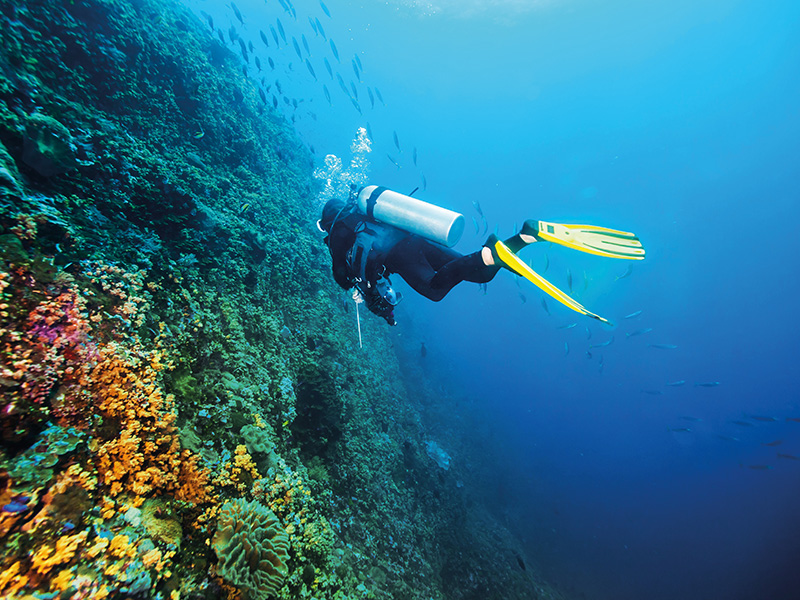
An underwater world awaits
Shipwrecks
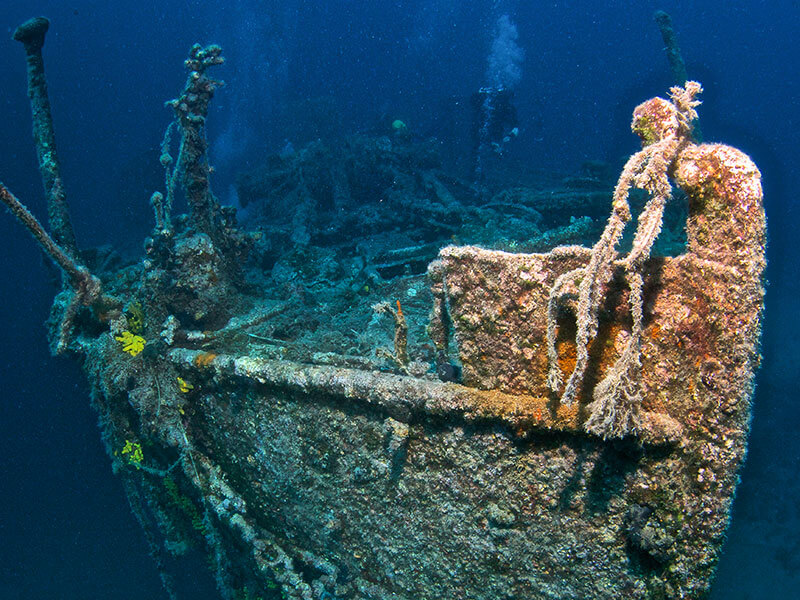
Explore shipwrecks in Istria
Explore Istria’s fascinating underwater history through its famous shipwrecks, each telling a unique story of maritime trade, naval conflict, or tragic misfortune. These sunken relics offer thrilling opportunities for advanced divers, with depths ranging from accessible shallows to deep technical dives. From well-preserved vessels to haunting remnants of World War naval battles, Istria’s shipwrecks provide a rare glimpse into the past, with coral-encrusted hulls and abundant marine life making each dive an unforgettable experience.
Numidia
A historic wreck with impressive visibility.
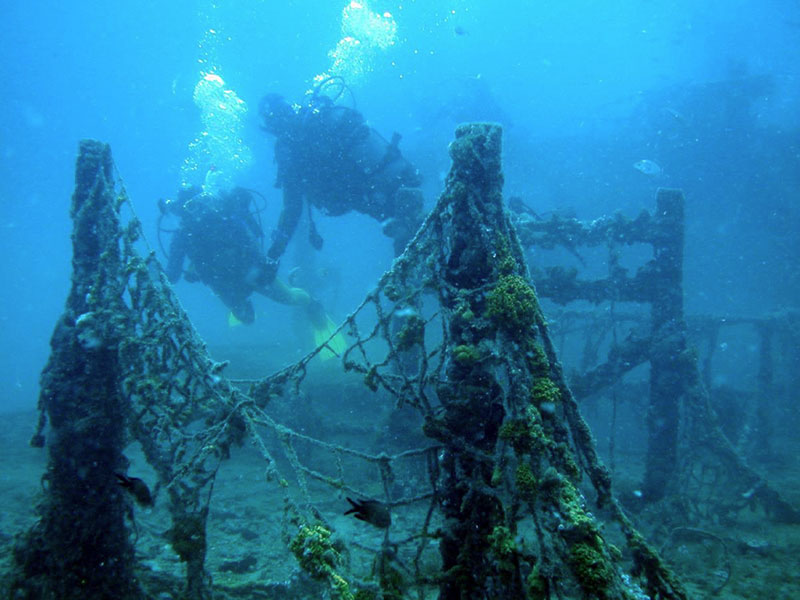
Coriolanus
A WWII British minesweeper now covered in marine life.
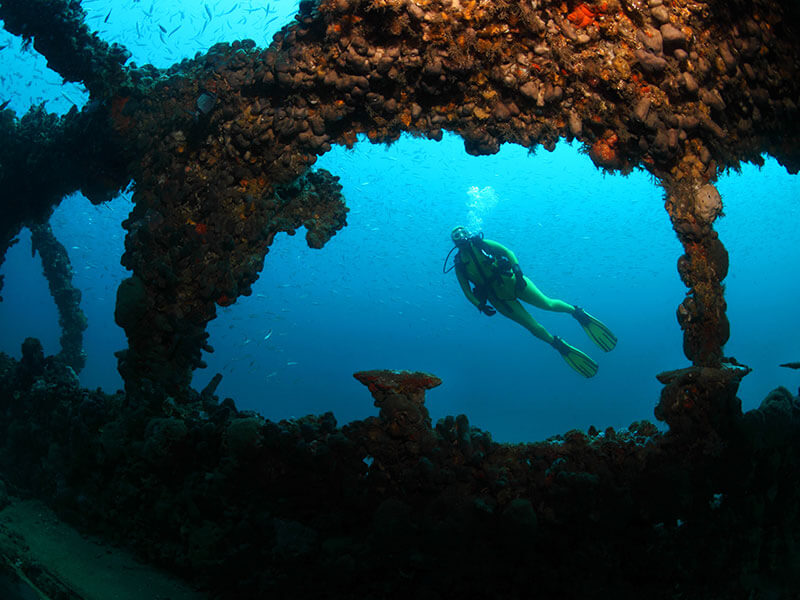
Lina
Explore this Italian cargo ship that sank near Rabac in 1914.
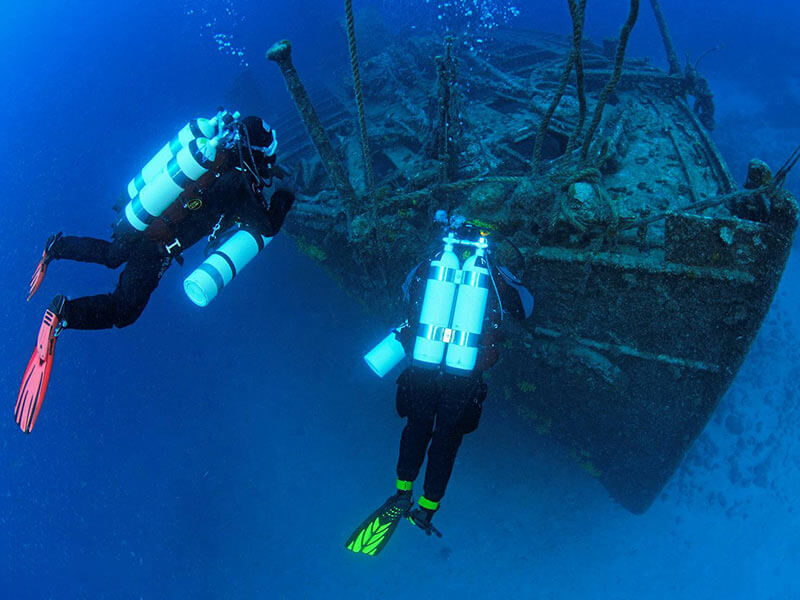
Argo
A World War II wreck resting at 45 metres off Rijeka.
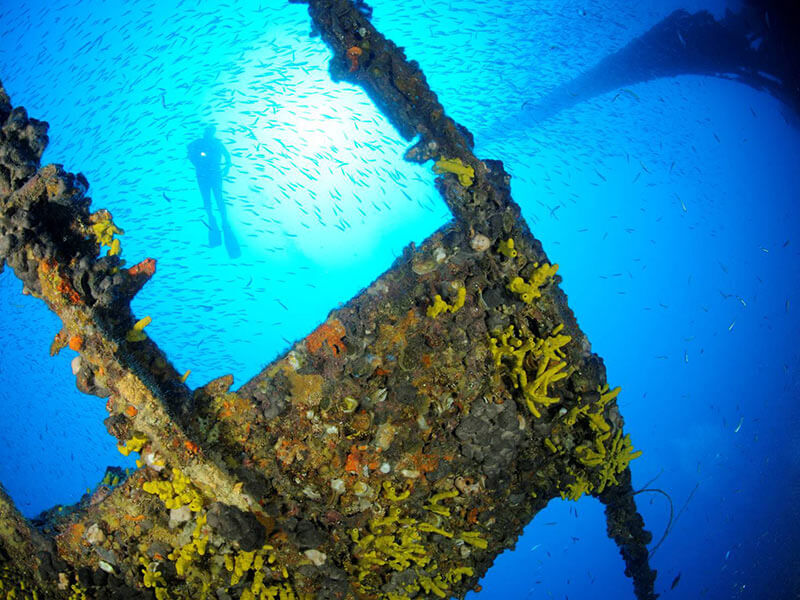
Gilda
Investigate the sunken steamship Gilda near Poreč.
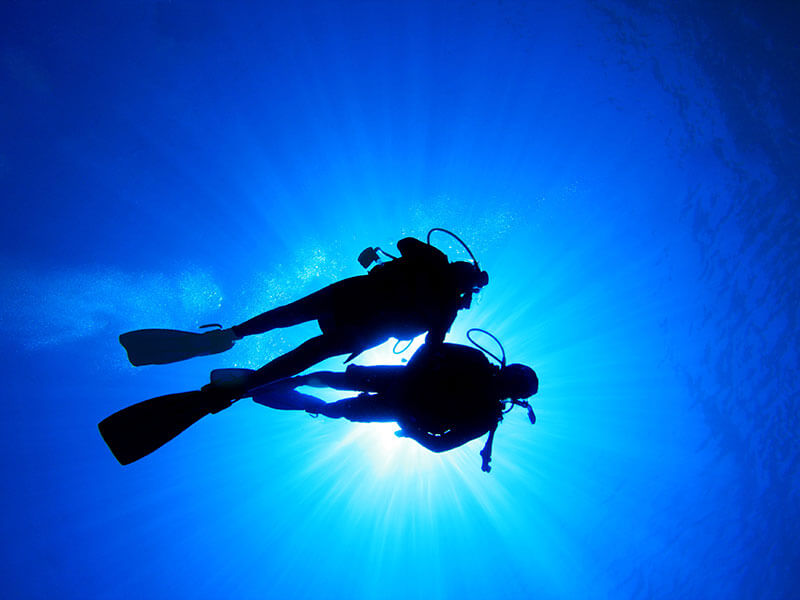
Vis (ex Renteria)
A cargo steamship sunk after WWII explosion near Rabac.
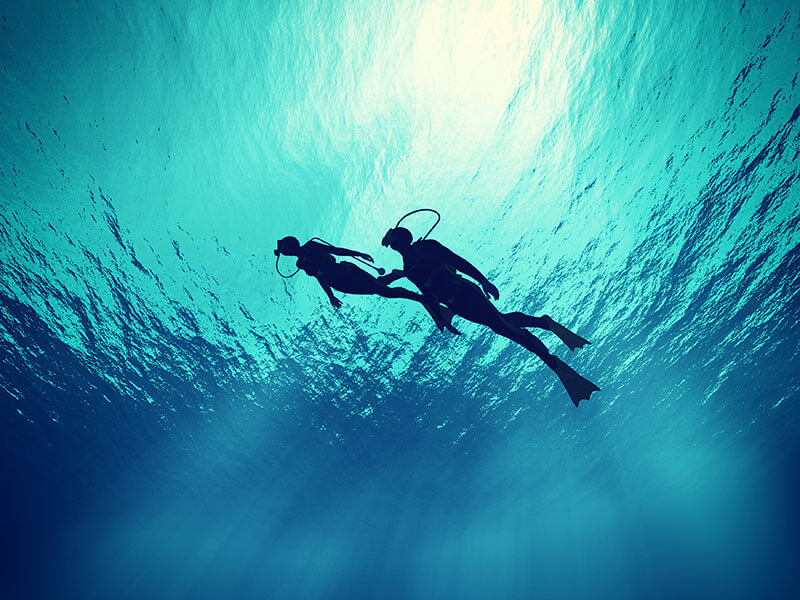
Luana
Well-preserved merchant shipwreck for experienced divers.
Reefs
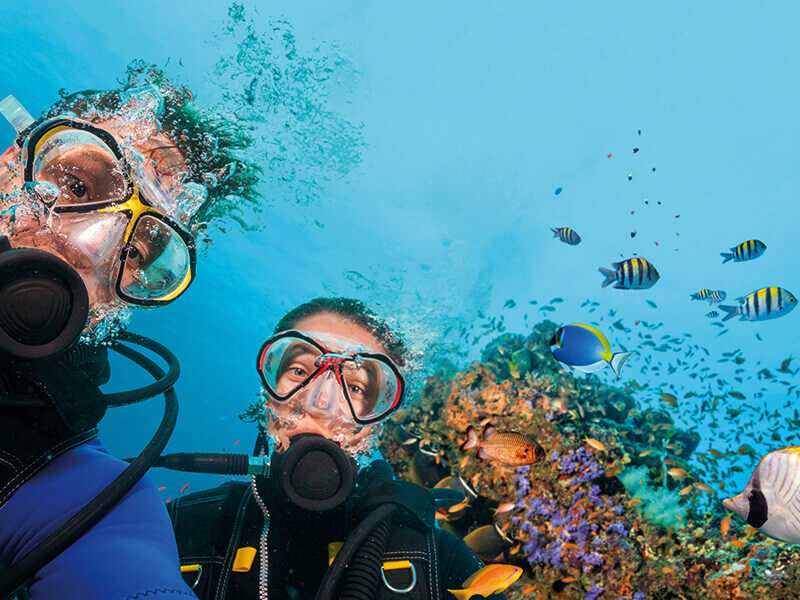
Explore reefs in Istria
Beneath Istria’s crystal-clear waters, reefs are filled with vivid marine life and colourful coral formations. These underwater gardens range from shallow beginner-friendly spots to dramatic vertical walls covered in sponges, gorgonians and hidden crevices where octopuses, moray eels and scorpionfish lurk. Whether you’re enjoying a relaxed dive or a more challenging exploration, Istria’s reefs reveal the rich biodiversity that makes the region’s underwater world so rewarding.
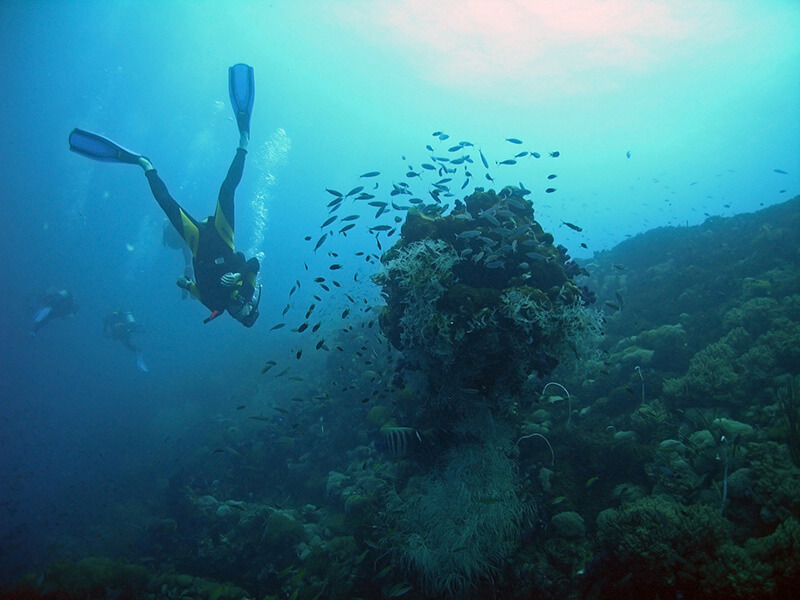
The Rubini Reef
Deep reef rich in fish and larger predators.
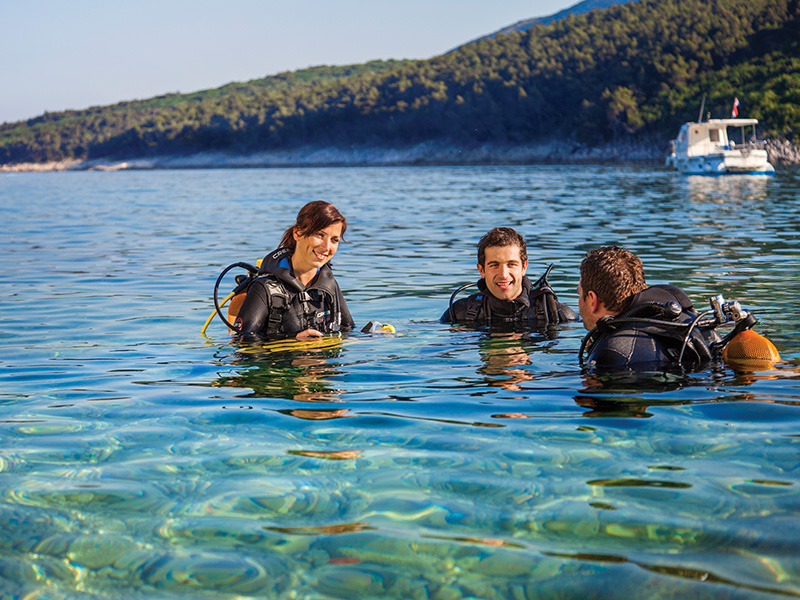
St. Giovanni Reef
Discover a shallow reef full of life near St. Giovanni Island.
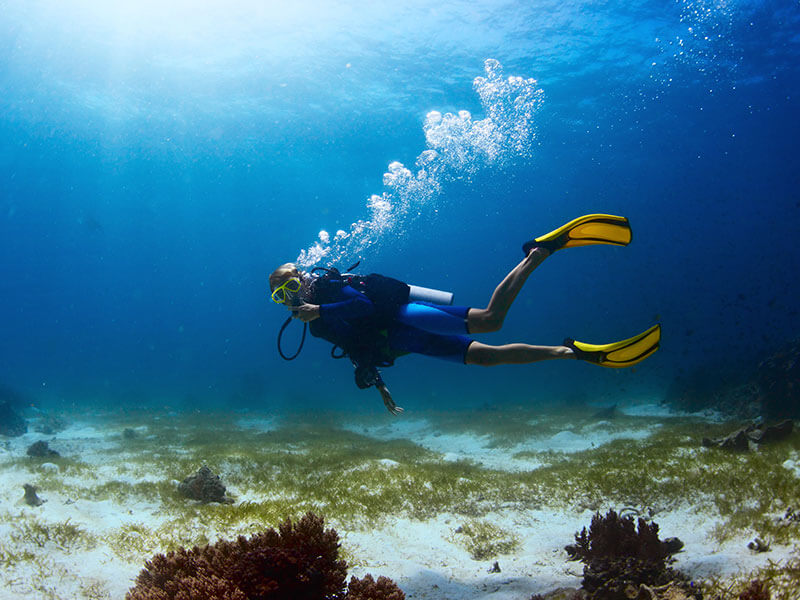
Cape Rakovica
Explore ancient shipwreck fragments and caves.
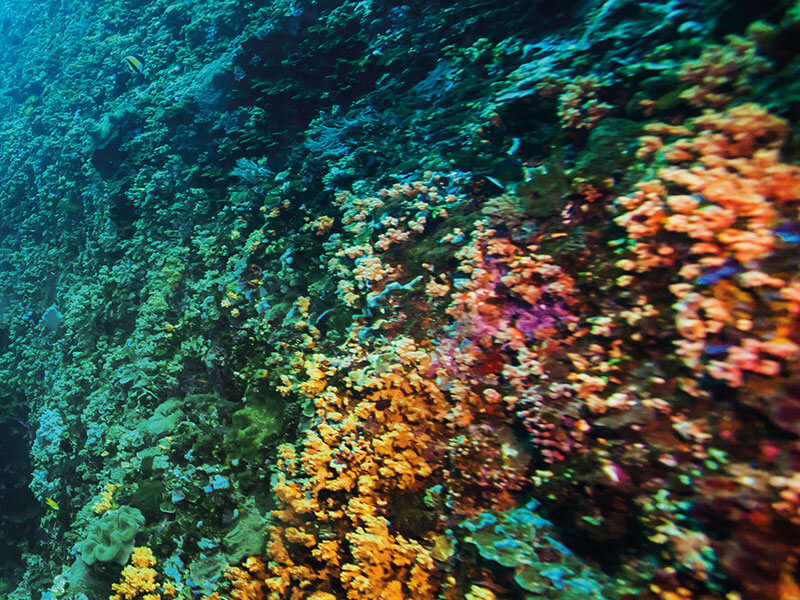
Bumbište
A colourful 200m wall dive, ideal for all skill levels.
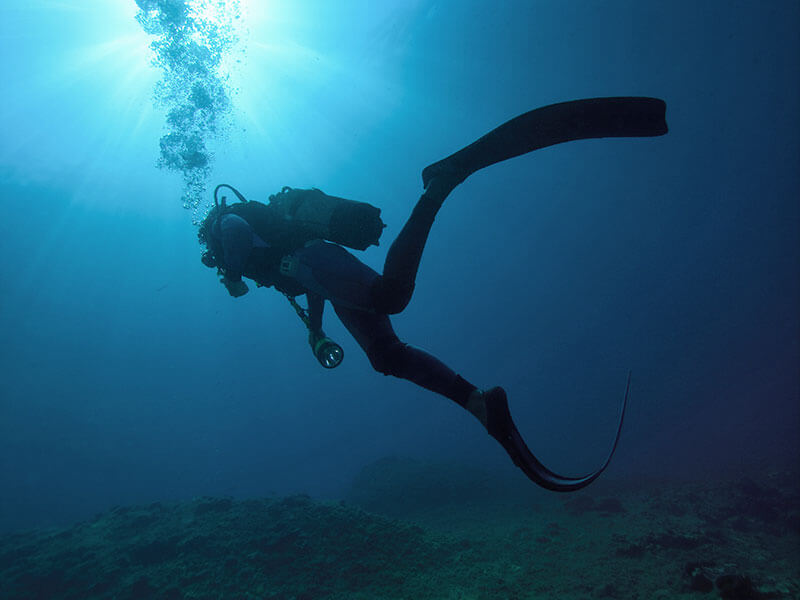
Red Crag
Beginner-friendly reef with sandy slopes and great visibility.
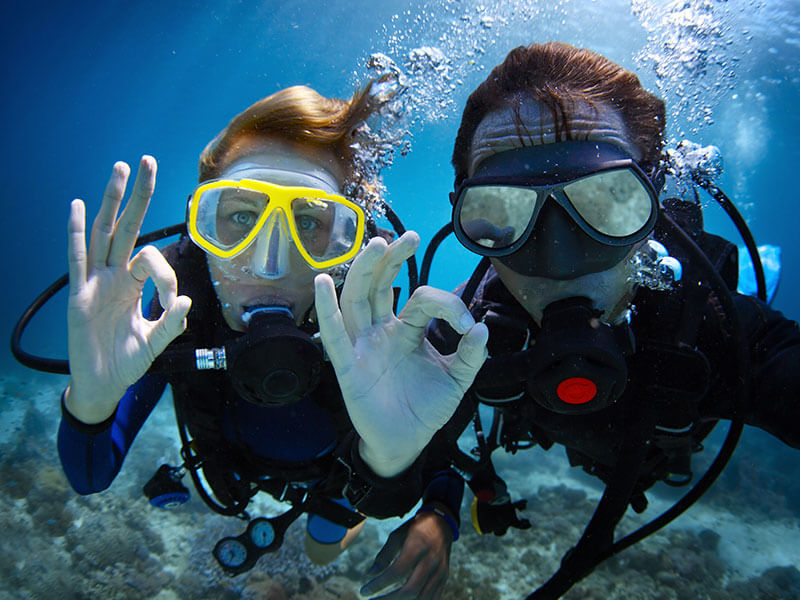
Wall near Škvaranske
Dramatic wall dive with caves and rocky extensions.
Faro Island
Deep reef with rocky seabed and abundant marine life.
Download our Valamar app and start your carefree vacation!