Meetings and eventsAgencies
Valamar Quality Centre Groups

Diving in Pula

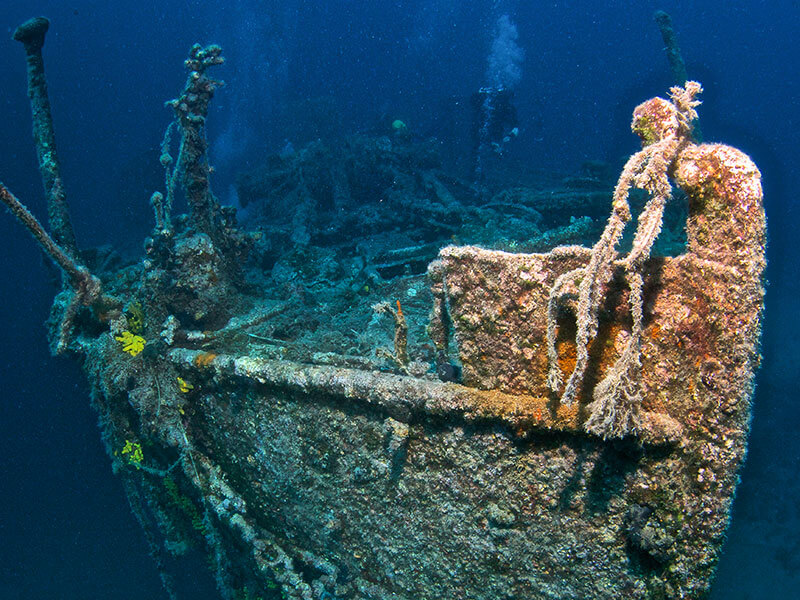
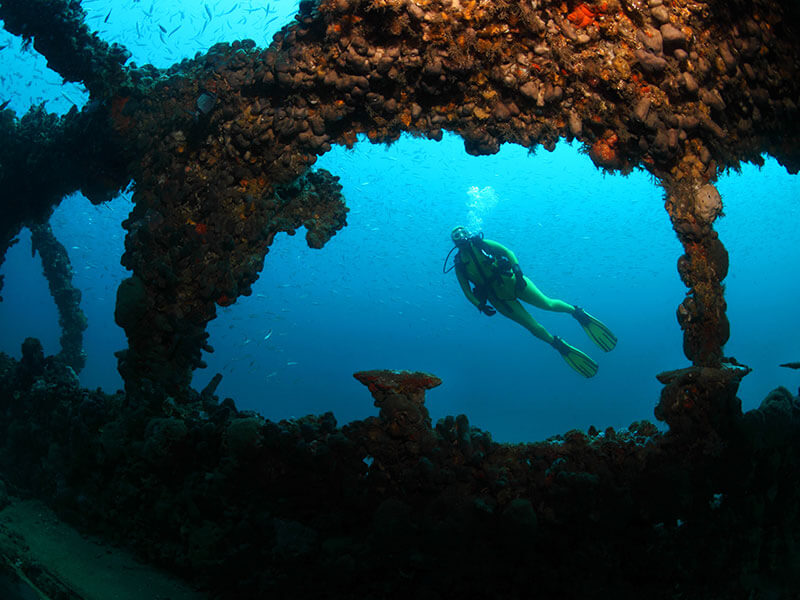
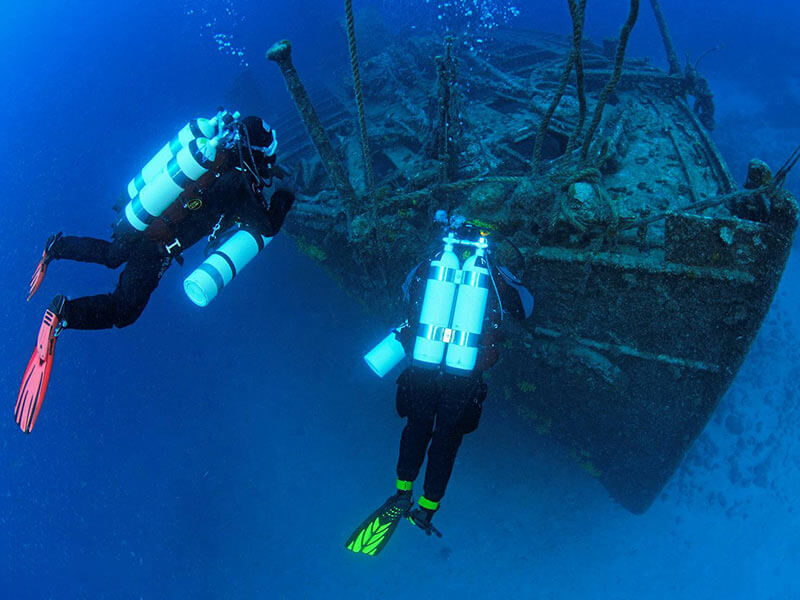
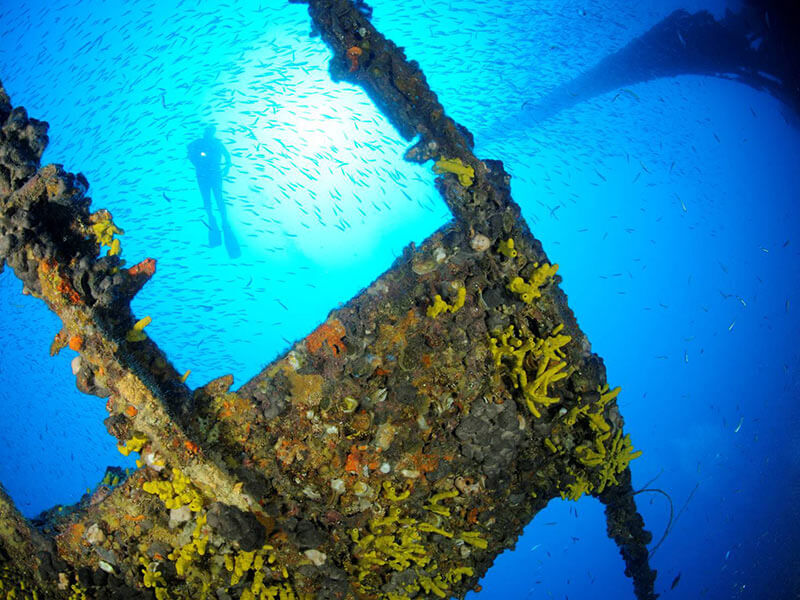
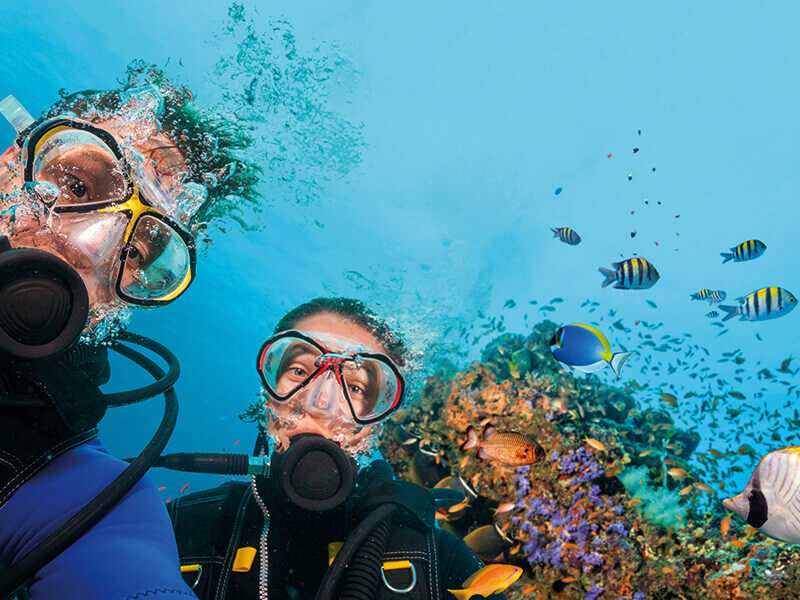
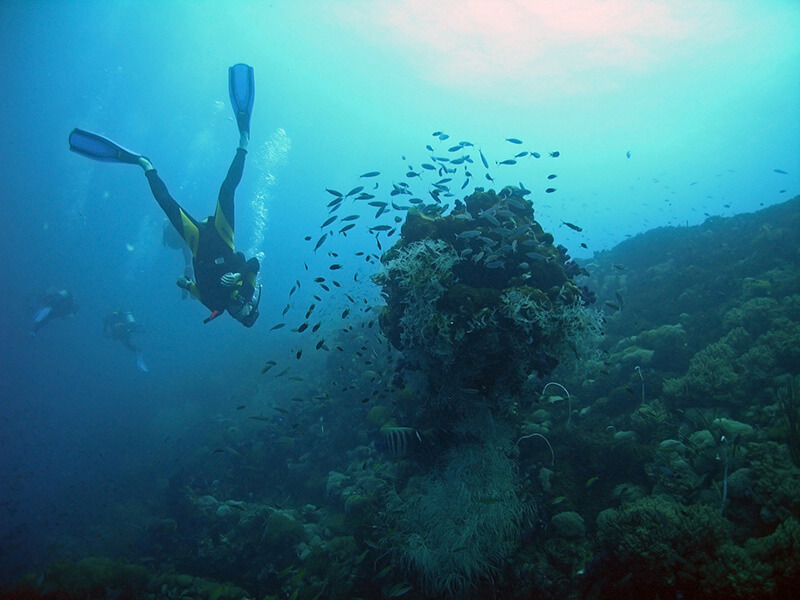
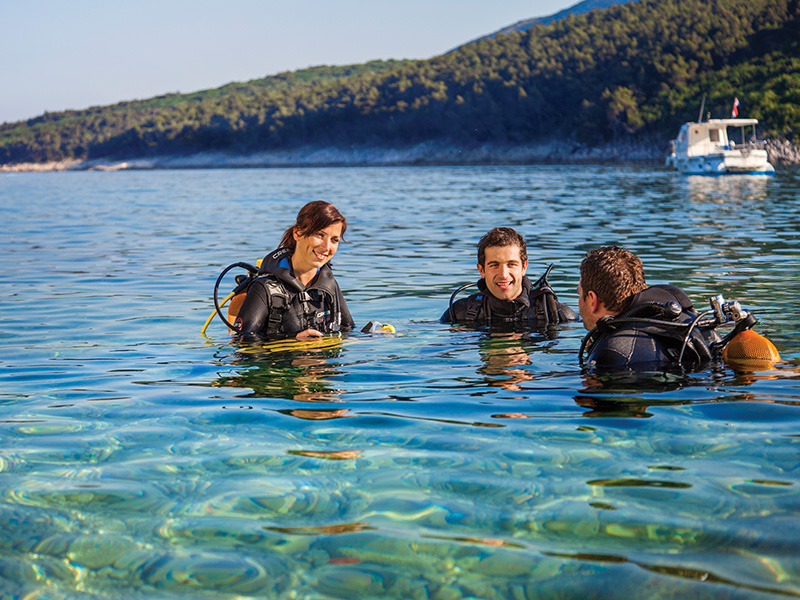
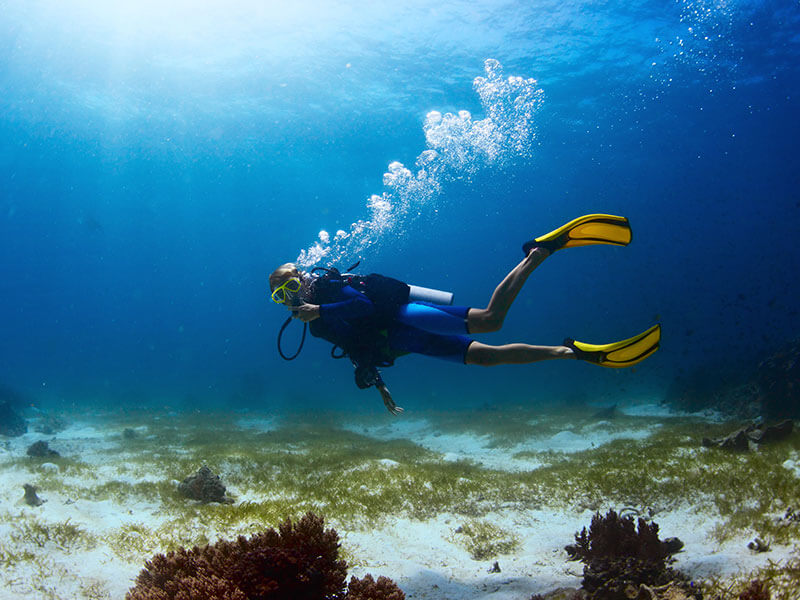
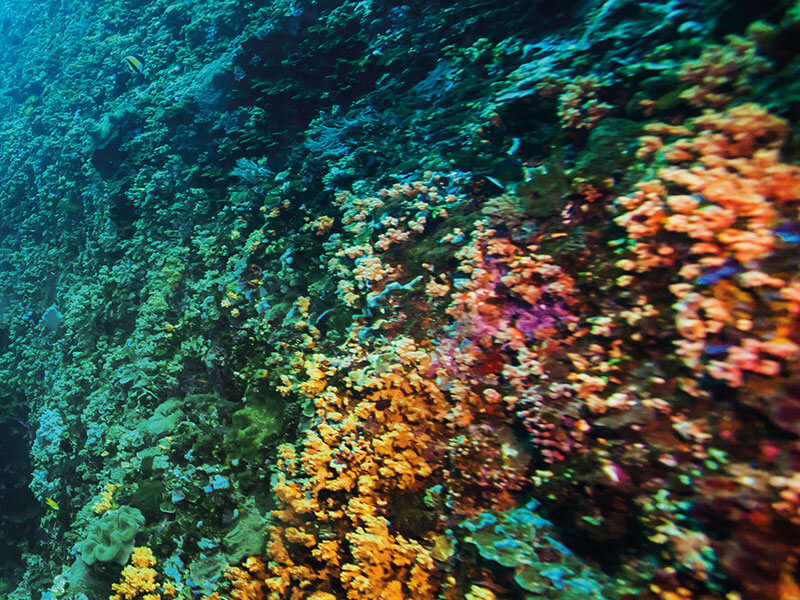
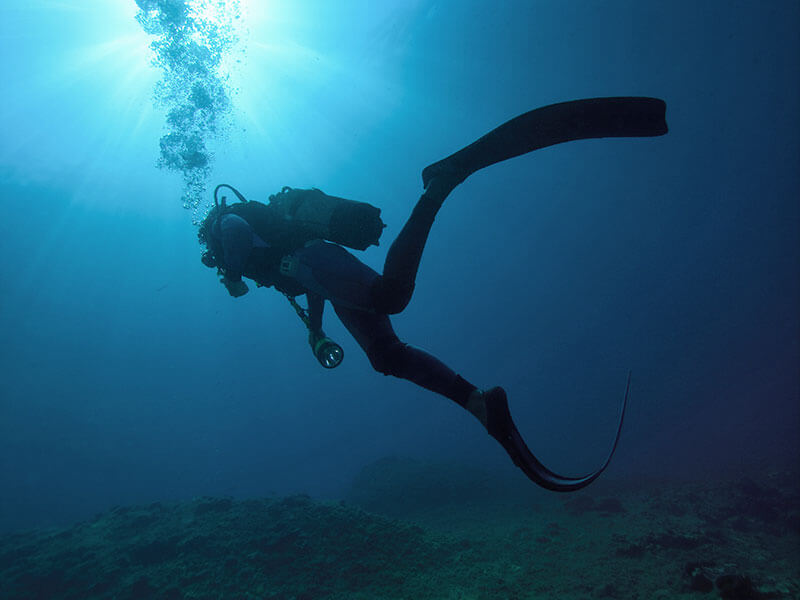
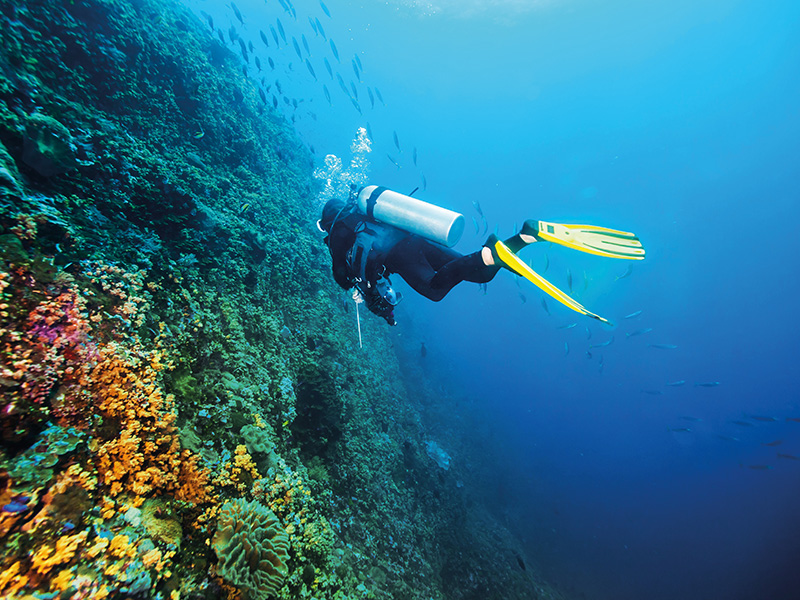
The sea has always played an integral part of life in coastal Croatia, especially in Pula where for centuries the ancient town has defended Istria’s bay from marauders. Nowadays, dive tourism is one of the prominent forces. From all over the globe, thousands flock to the waters off the southwest coast of Istria to explore dozens of sites such as Fraškerić where the abundant sea life and spectacular caves make this one of the most scenic reefs along the whole western coast of Istria. So too at Cape Rakovica, where you’ll come across the remains of an ancient Roman shipwreck and caves teeming with colourful marine life. Sea walls often house the biggest array of submarine life and Svjetionik, or 'The Lighthouse', situated alongside a hotel beach doesn’t disappoint. Lobsters, crabs and eels all call this 100-metre-long wall home. At Topovi, the remains of an old Venetian ship can be found, its three cannons still remaining. This is just one of fourteen shipwrecks including destroyers, merchant ships and minesweepers waiting to be explored from dive centres in and around Pula. One of the largest is the Josephina, a cargo steamship built in 1864 which hit a mine some 50 years later and offers exciting exploration for more experienced divers. Near Stoja tourist beach, the impressive sight of the German WWII U-81 submarine can be seen at a depth of 35 metres, just one more of the many surprises awaiting underwater explorers off the coast of Croatia.
Wrecks Reefs Diving centres Important telephone numbers Useful information
Submarine

Submarine

This Germany submarine was sunk towards the end of World War II in the open sea near the Stoja swimming beach in Pula. It was one of the seven submarines that the Germans themselves sank immediately before the war ended. The submarine is not whole; only its stern, which is open, has been found. Still visible on the submarine are the remains of military equipment and air holes. Because of the vicinity of the beach, diving is also possible in unfavourable weather conditions.

text: Željko Kamerla in collaboration with the Istria diving centres

Remorker

Remorker

This tugboat that sank in the 1960s was used for maneuvering larger ships in the harbour. Because of its fairly small size, it is not possible to dive inside the wreck but only around it. The greatest attraction at this dive site is the many fish that inhabit the wreck. Although small, its abundance of fish makes it a very interesting site for divers who have just mastered the techniques of wreck diving or deep diving.

text: Željko Kamerla in collaboration with the Istria diving centres

Varese

Varese

The Italian merchant steamship Varese sank in 1915 while transporting cargo from Trieste to Tunisia. Because of stormy weather in the northern Adriatic, the captain decided to seek refuge in the port of Pula. Sailing towards the harbour, the ship struck a mine that destroyed the prow, causing the ship to sink to the spot it is located today. It is possible to dive inside the wreck, which is quite wide and safe in its entire length.

text: Željko Kamerla in collaboration with the Istria diving centres

John Gilmore

John Gilmore

A merchant steamship, whose true name is not known, it changed owners and flags several times during its history, so we cannot say with certainty what was the last name that it carried. It is considered to be one of the first ships to sink in the waters of Istria at the beginning of World War I.The information available tells us that it was built in an English shipyard and equipped with John Gilmore engines that gave it the name it has today. It is possible to dive inside the wreck, which is well preserved.

text: Željko Kamerla in collaboration with the Istria diving centres

Josephine

Josephine

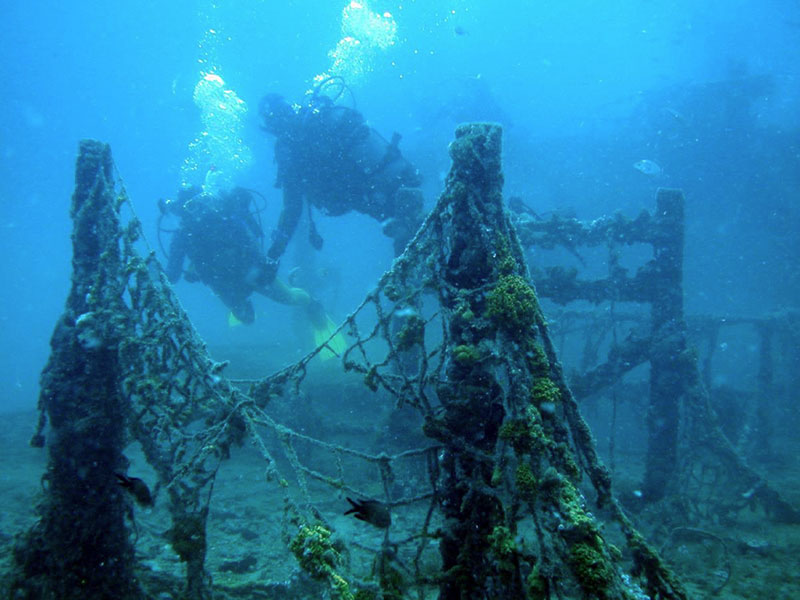
A cargo steamship owned by the Austro-Hungarian merchant marines, the Josephina was built in 1864 and sank some 50 years later when it hit a mine while sailing to Trieste. The force of the explosion ripped the prow from the rest of the hull that now lies not far from the rest of the wreck. The wreck lies in an upright position and it is possible to dive through some of its parts.The few remains of fishing nets that cover the wreck add to the diving experience and do not present any danger.

text: Željko Kamerla in collaboration with the Istria diving centres

Draga

Draga

The Draga was a sand-dredging boat. It sank in the 1960s due to poor weather and overloading that caused a breach in the prow, after which the vessel began to take in water. This wreck is exceptionally rich in fish. Its permanent inhabitants mostly include eels, scorpion fish, lobsters, crabs and sea catfish. You can also find a variety of marine flora and fauna around the wreck.

text: Željko Kamerla in collaboration with the Istria diving centres

Flamingo

Flamingo

Shortly before it sank, the Italian ship Flamingo was armed with two torpedoes on its fore end. Built as early as 1889, it sank in 1914 after hitting one of its own mines. Captain J.O. Krieg managed to send up a distress flare and launch a lifeboat. Due to strong winds and high waves, the lifeboat was soon destroyed, leaving the crew to struggle against the sea and the storm.Today the Flamingo resides in the silence of the sea depths, and its loyal visitors, apart from divers, are a multitude of fish and crabs.

text: Željko Kamerla in collaboration with the Istria diving centres

Plan before you go