Things to do & see
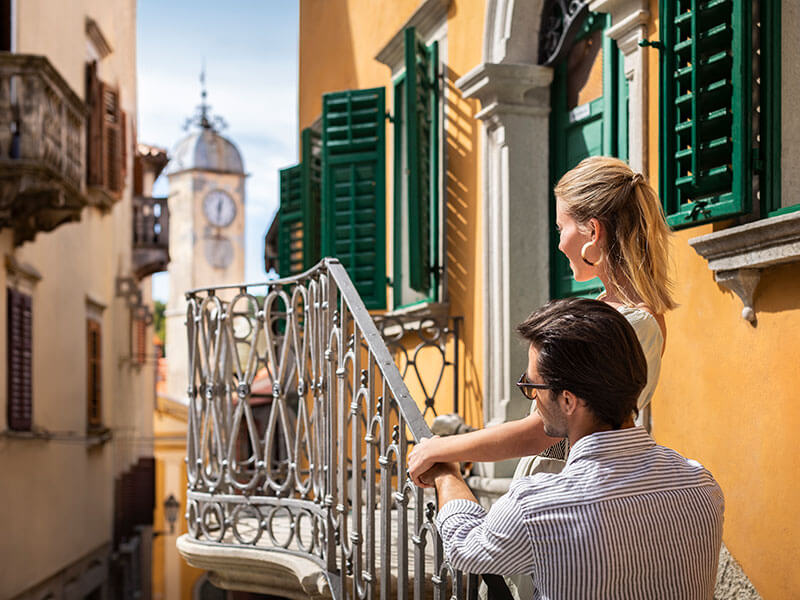
Discover the best of Rabac
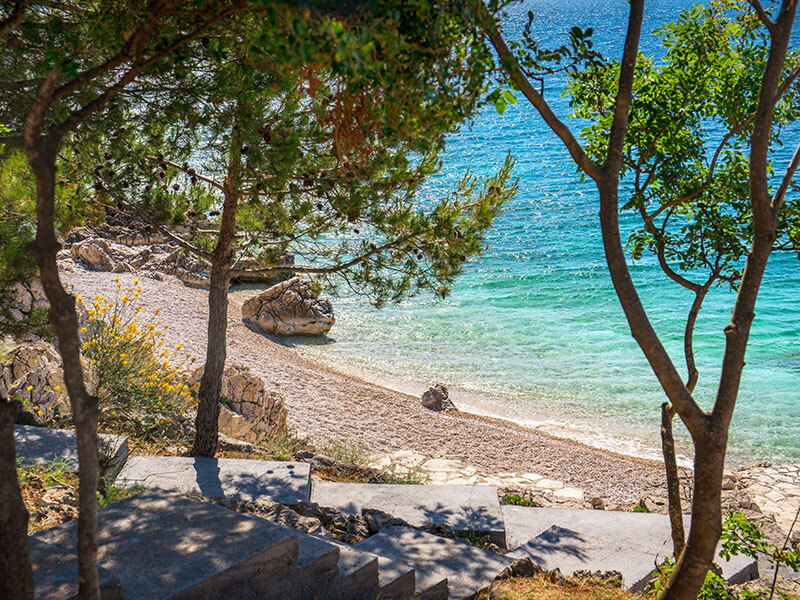
Beaches and paths in Rabac
Rabac boasts kilometres of pristine beaches and scenic paths surrounded by lush Mediterranean flora. Imagine waking up to the sound of waves gently lapping against the shore and spending your day swimming in crystal-clear waters or snorkelling among colourful marine life. If sunbathing is more your style, you’ll find plenty of secluded spots to lay out your towel and soak up the Croatian sun.
- Type of attraction: natural
- Location: bordering the town of Rabac
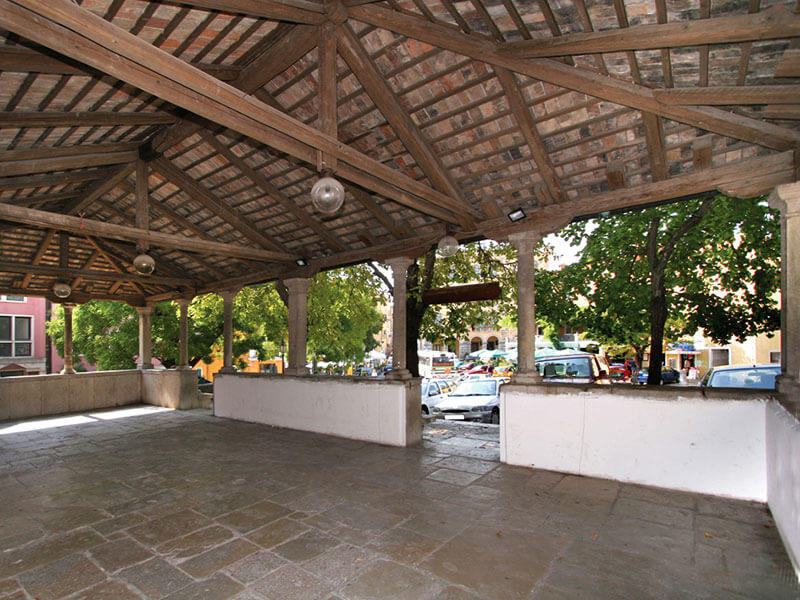
Labin Loggia
Just a short drive from Rabac is the historical town of Labin, where you’ll find the Labin Loggia. This architectural marvel dates back to 1550 and served as a meeting place for locals. Today, it stands as a picturesque resting spot and a popular attraction for visitors. The loggia offers a glimpse into the past while providing a tranquil space to relax and enjoy the surroundings.
- Type of attraction: historical
- Location: Crć Square, Labin
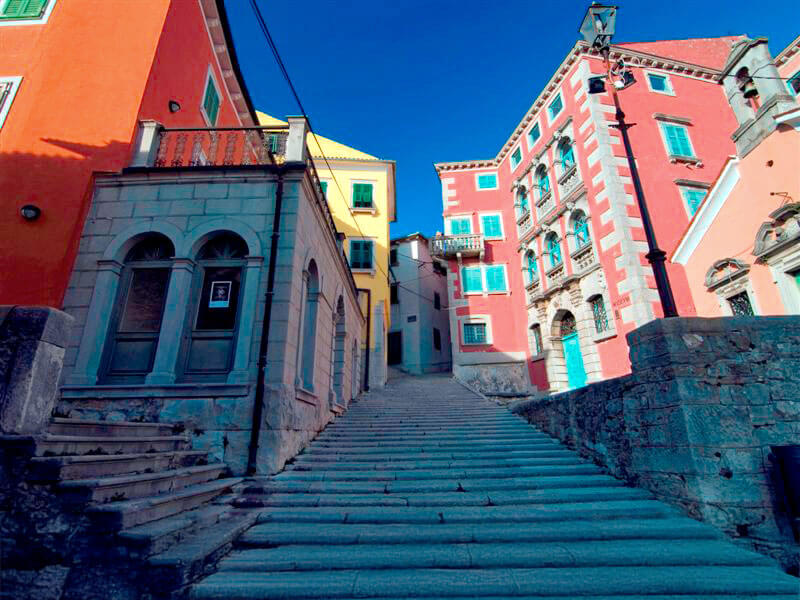
Francovich and Battiala-Lazzarini Palaces
For those who appreciate culture, the Francovich and Battiala-Lazzarini Palaces are must-visit sites. The Francovich Palace houses a permanent exhibition of Matija Vlačić Ilirik, an influential figure during the age of Reformation. Meanwhile, the Battiala-Lazzarini Palace features valuable exhibits in the National Museum, offering a deep dive into Labin’s rich cultural heritage.
- Type of attraction: cultural
- Location: Labin
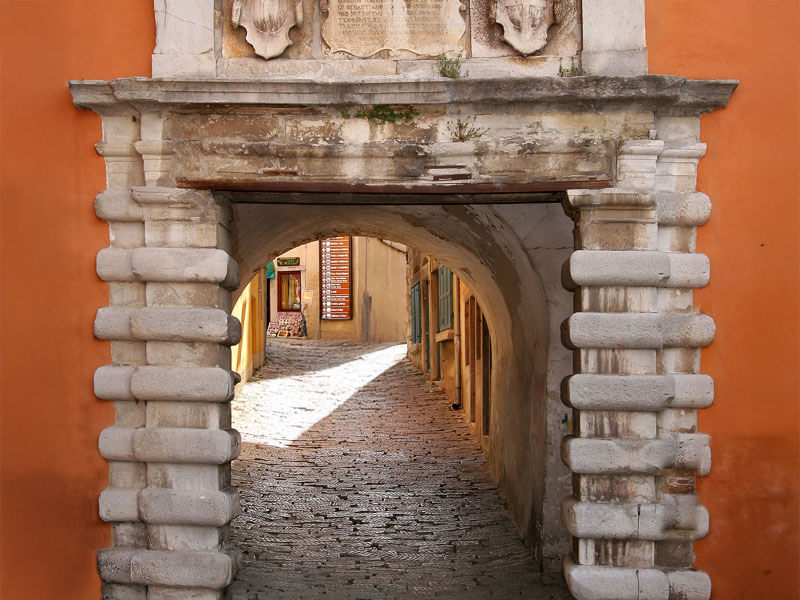
Sanfior Gate
Discover the ancient part of Labin by walking through the Sanfior Gate, built in 1589. Adorned with the carved Labin crest and the Venetian lion, this gate is a testament to the town’s historical significance and architectural beauty. Passing through the Sanfior Gate feels like stepping back in time, offering a tangible connection to Labin’s storied past.
- Type of attraction: historical
- Location: Labin
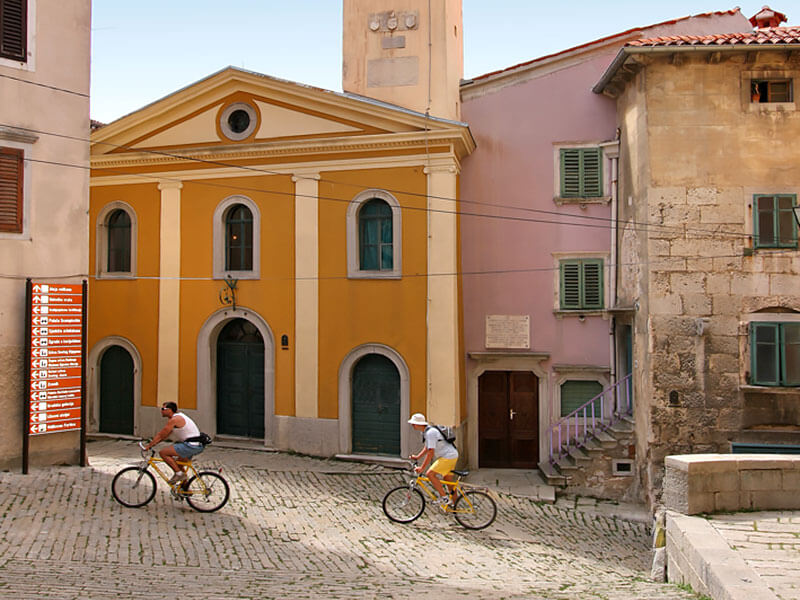
Teatrino, a small theatre in Labin
Originally built as a grain storehouse in 1839, the Teatrino in Labin now serves as a theatre and art exhibition space. This unique venue provides a cultural experience like no other, where you can enjoy local performances and art displays. The Teatrino’s intimate setting makes it the perfect spot to immerse oneself in the local arts scene.
- Type of attraction: cultural
- Location: in Labin
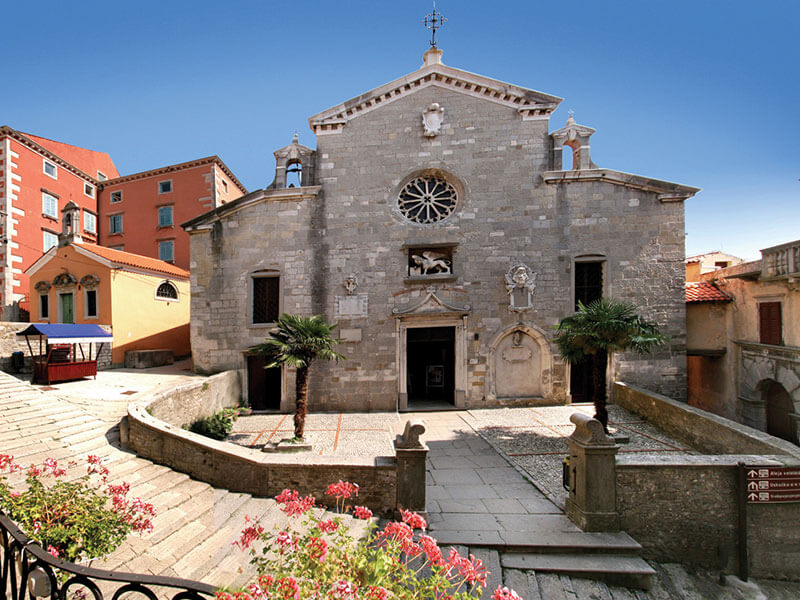
Church of the Blessed Virgin Mary’s Birth
Built in 1336, the Church of the Blessed Virgin Mary’s Birth is a stunning example of Venetian Gothic and Renaissance architecture. The church’s intricate design and historical significance make it a must-see. Don’t miss the Venetian lion carved over the doorway, a symbol of the town’s rich religious and cultural history.
- Type of attraction: religious
- Location: Labin
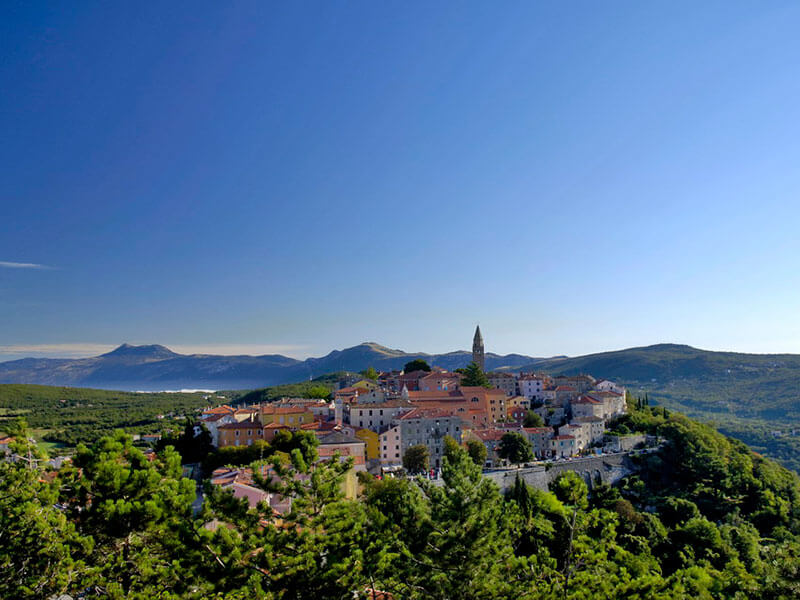
Kunci
Explore the remains of the Kunci settlement, whose foundations date back to the Bronze Age, and in the 4th century BC it was inhabited by the Celts. This ancient site is one of the most important relics of Labin’s historical heritage. Walking through Kunci, you get a sense of the ancient civilizations that once thrived here, making it a fascinating visit for history buffs and casual tourists alike.
- Type of attraction: archaeological
- Location: Labin
Download our Valamar app and start your carefree vacation!