Agencies Valamar Quality Centre Groups

Diving in Rabac

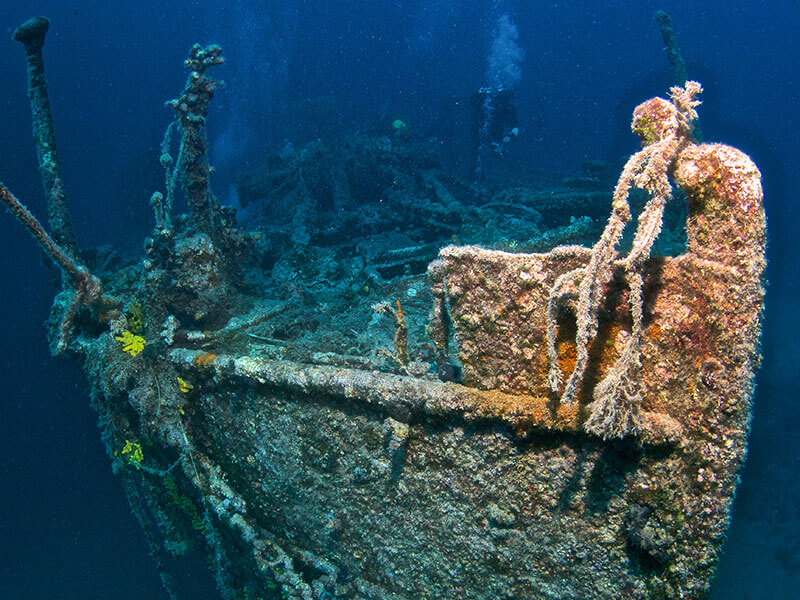
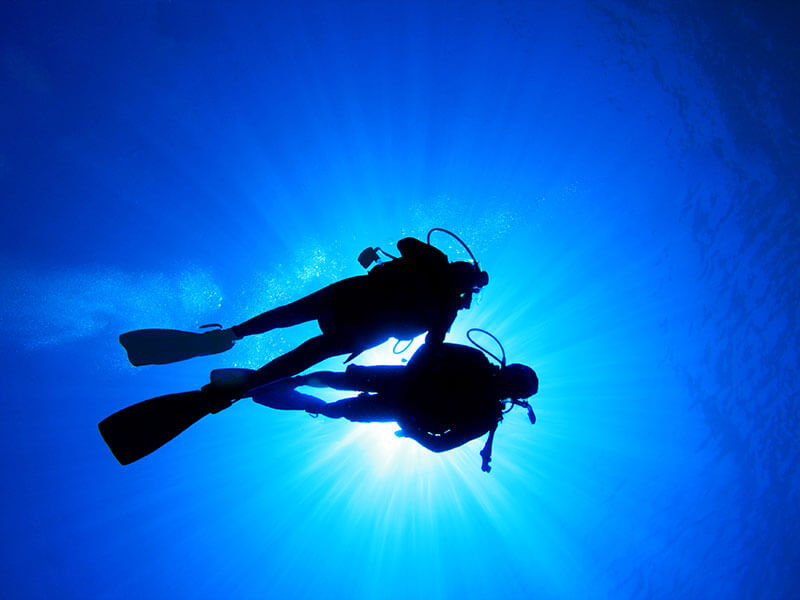
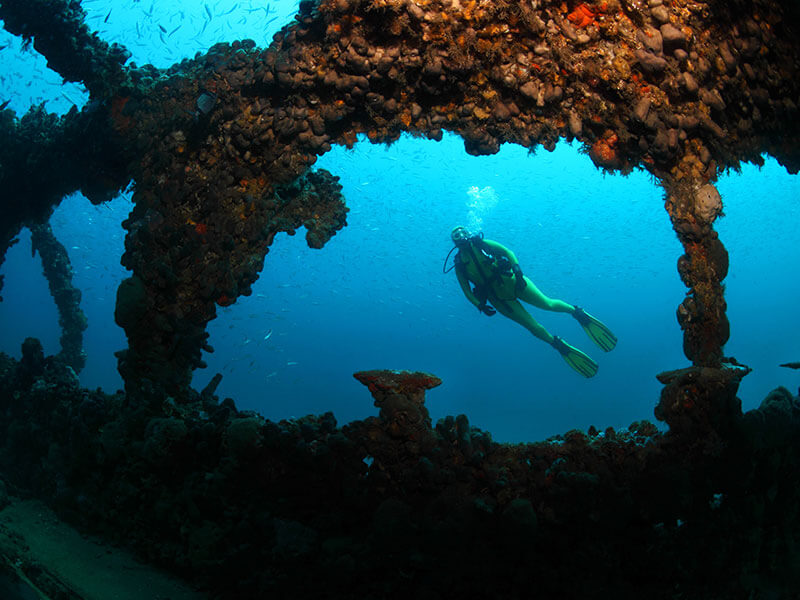
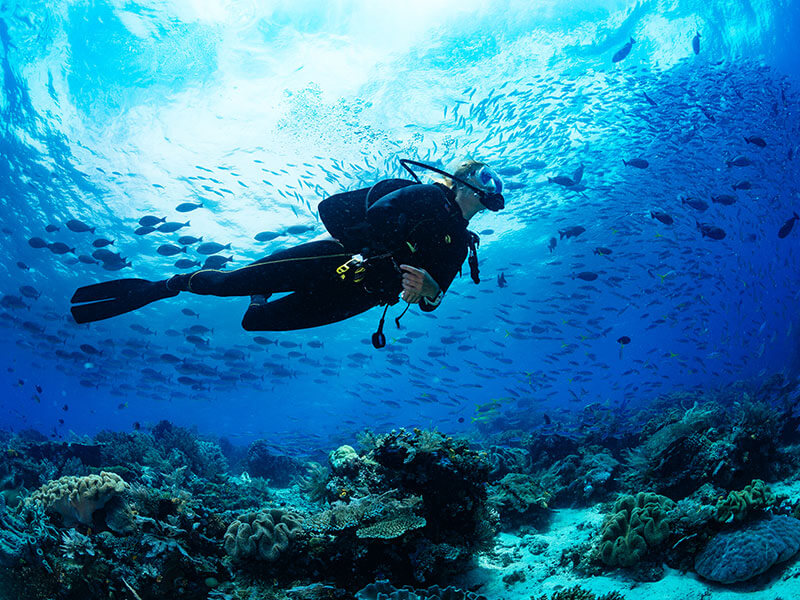
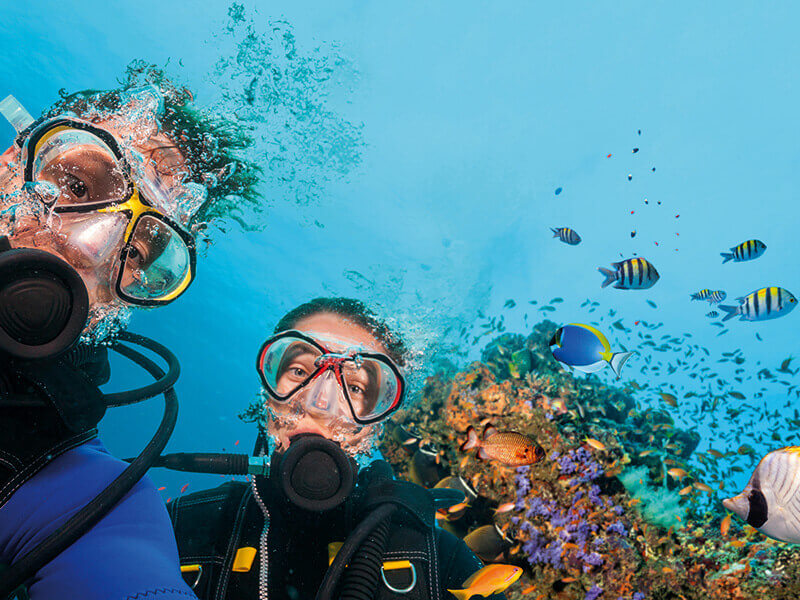
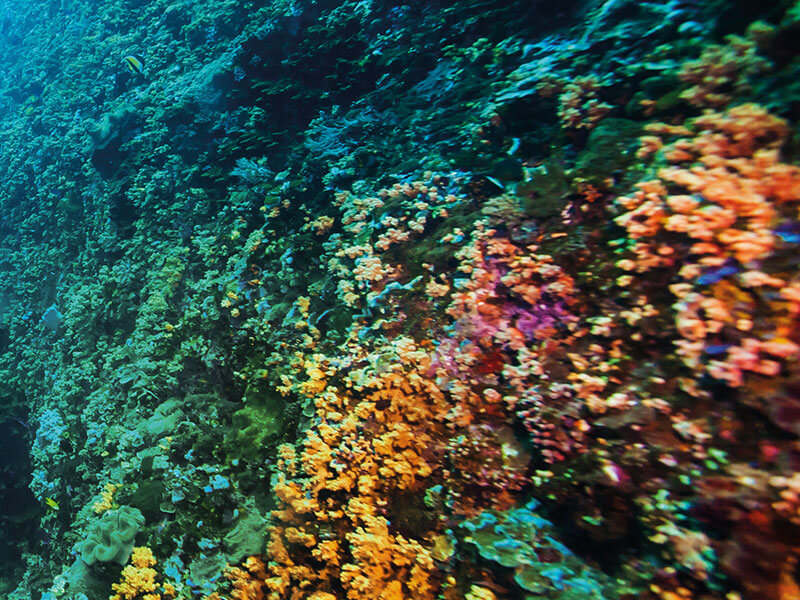
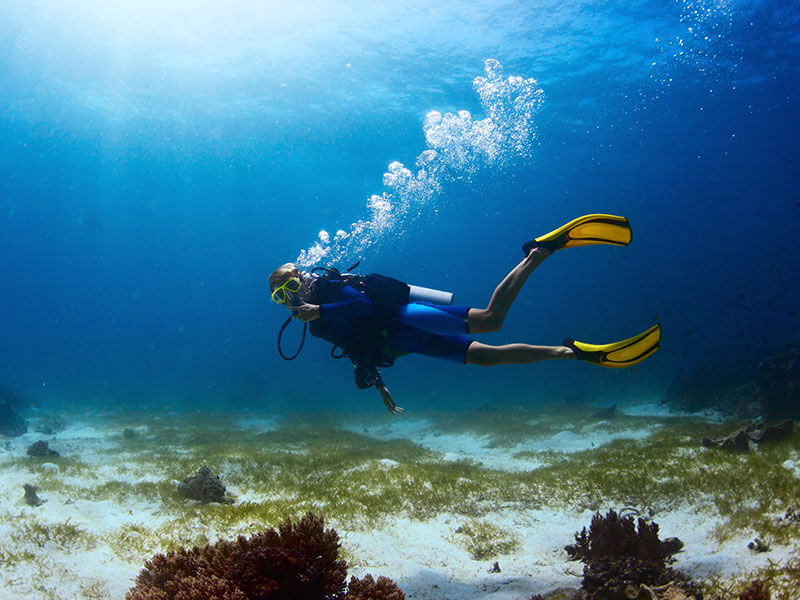
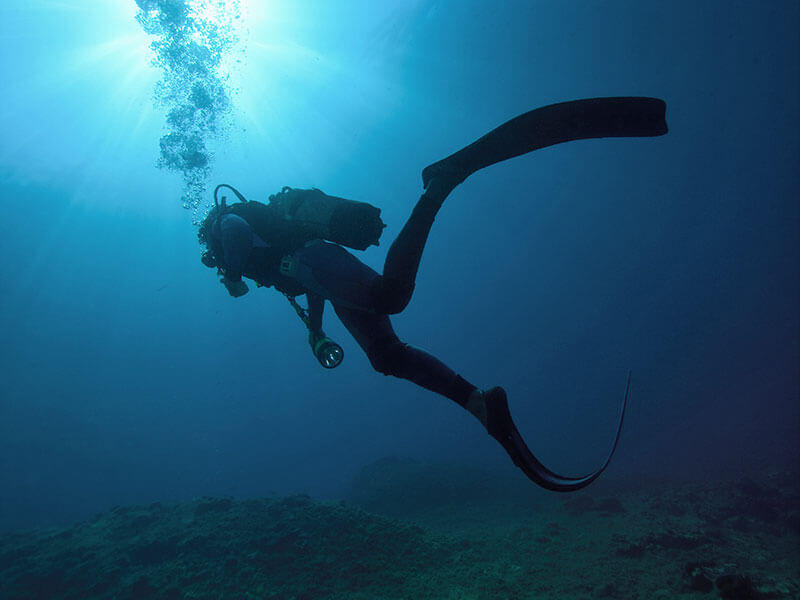
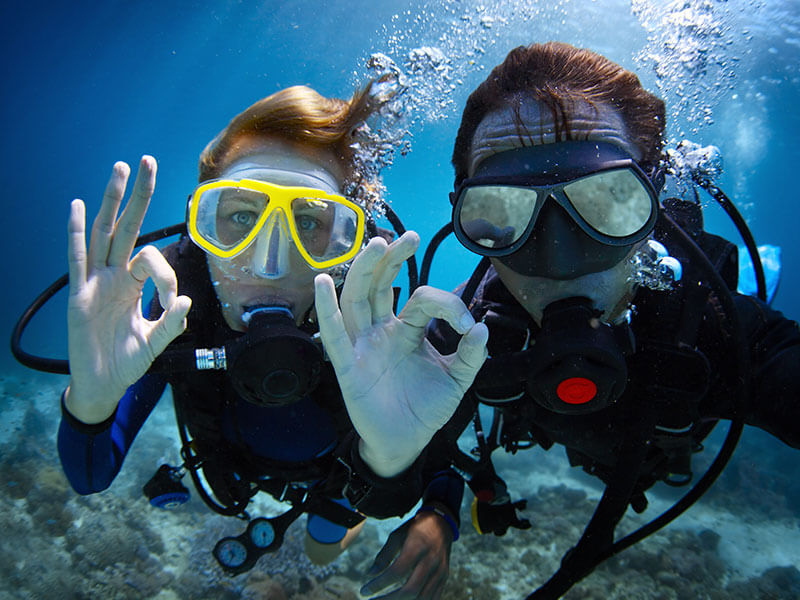
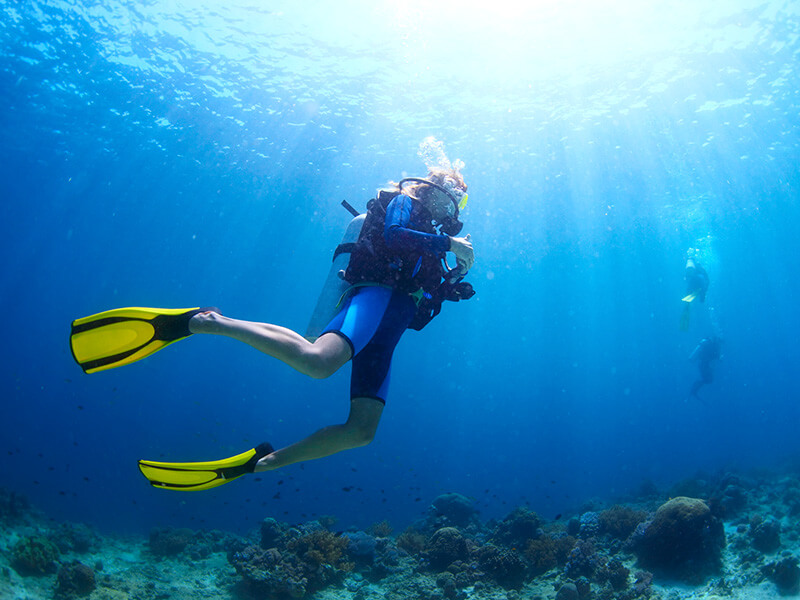
With unbelievably clear waters, and depths rarely reaching more than 70 metres, the coastline of Rabac provides exceptional opportunities for dive tourism. A variety of locations feature awe-inspiring wrecks, reefs bursting with colour, dramatic cliff walls and a kaleidoscope of vivid marine life. Several fully-equipped and professional dive centres are to be found in Rabac. From trial ‘discovery’ dives to full PADI and CMAS courses, visitors can take advantage of a holiday in Croatia to learn a new skill and gain a passport to this fascinating world that will last a lifetime. Professional instructors provide all the training, equipment and guidance necessary to enjoy Rabac’s undersea world at locations such as Girandella, Lanterna, Babino and the island of Cres. The latter harbours the shipwreck of the Lina, and Italian steamship that transported oil and wine from Puglia and coal from Cardiff. During thick fog in January 1914, the Lina lost its way and quickly sank after running aground. Another cargo ship carrying coal hit a mine not far from Cape Mašnjak and sank at the entrance to Plomin Bay. Divers can still see remains of the wooden lifeboats that fell from the steamship Vis. However, the waters off Croatia are not just for wreck divers. Spectacular shoals of fish congregate around the caves, walls and reefs of dive sites such as the Kavranska Shoal and Black Point, providing up-close-and-personal encounters with striped bream, seahorses, crabs and lobsters. With calm, crystal clear waters, dive tourists of all abilities will find Rabac certainly ticks all the right boxes.
Wrecks Reefs Diving centres Important telephone numbers Useful information
Bumbište

Bumbište

This exceptionally lovely site with a long and interesting wall stretching over 200 m in length is well suited for all types of courses and all types of divers. It is possible to dive to depths of up to or over 20 m. This dive site has a number of underwater nazes with numerous holes and underwater crags teeming with life and rich in colour. Because you enter the water only a few metres from the shore, this gives added safety to your dive.

text: Željko Kamerla in collaboration with the Istria diving centres

Cape Rakovica

Cape Rakovica

During a dive, at a depth of 29 – 32 m, you will come across fragments of amphora, the remains of an ancient Roman shipwreck. For the most part, you dive along an interesting wall with many caves and teeming with life, which reaches a depth greater than 30 m. In the springtime, you can often see octopuses that come here looking for a place to lay their eggs.

text: Željko Kamerla in collaboration with the Istria diving centres

Red Crag

Red Crag

This site, usually used for final dives in beginner diving courses, is also suitable for practising orientation skills and the use of a compass. The dive takes you along a gently inclined rocky slope that ends in sand at a depth of about 20 m. Diving is easy and safe, because the depth is not great, while orientation is very easy.Depending on the season, it is possible to come across large examples of quality fish such as dentex, bass, gilt poll or leer fish.

text: Željko Kamerla in collaboration with the Istria diving centres

Wall near Škvaranske

Wall near Škvaranske

You begin the dive on the north side by jumping into the water and diving along the crag. The bottom slowly begins to drop as you follow the crag on the right and dive in a southerly direction. The crag rises vertically above you; it curves gently, creating underwater coves. Although the site has an average depth of about 25 m, there are two rocky extensions that go down to depths of about 40 m. This is a dive in which you do not return to your point of entry. The boat is anchored to the south and when you have finished your dive, you swim to it. Because the wall is rather long and interesting, a dive may last up to 60 minutes.

text: Željko Kamerla in collaboration with the Istria diving centres

Black Point

Black Point

The lighthouse on the cape was built during Austrian rule. You dive parallel to the shore, following the rocks towards the east at a depth of about 20 m. At 25 m, you pass through a tunnel festooned with soft corals and cnidarians. To the left, there is a small cave in which you can see large tube worms, lobsters… You go around the rock and rise towards the shallow. At a depth of 3 m, there is a crevice that leads toward land and ends in a beautiful pebble beach.

text: Željko Kamerla in collaboration with the Istria diving centres

Ubac Shoal

Ubac Shoal

This is one of the most popular dive sites because of its fauna and the interesting morphology of the seabed. As the shoal faces east, the best time to dive is in the morning hours. You begin your dive on the north side and descend towards the east. The wall opens up, and the seabed is at a depth of 28 m. Then turning right, you dive towards the south and enter an overhang at 14 m that continues into the wall, and then you enter a cave.

text: Željko Kamerla in collaboration with the Istria diving centres

Krnica shore

Krnica shore

Getting into and out of the sea is simple and can be done in almost all weather conditions. For beginners who do not have a lot of experience with diving equipment, this is an excellent site to start. Usually, the beach is not crowded, and you can be anchored all day, trying out your own diving equipment or conducting training. The greatest dive depth is 12 m, although it is the most interesting at a depth of 7 – 8 m. This dive site is particularly appealing for night dives.

text: Željko Kamerla in collaboration with the Istria diving centres

Kavranska Shoal

Kavranska Shoal

Among a diversity of wildlife and a strong current, the dive begins along the southern side of the shoal towards the east. At a depth of 25 m, you make a turn and continue north. The shoal’s southern side is well known for its schools of common two-banded seabream and for crayfish, its permanent residents. Its northeastern side is particularly interesting in terms of morphology – here, crevices alternate with caves and overhangs. Diving with the current is a special experience at this shoal. It is like sailing effortlessly underwater, using your fins only for steering.

text: Željko Kamerla in collaboration with the Istria diving centres

Galijola

Galijola

The mythical Galijola, a rock surrounded by sea, stretches in an east-west direction. It is about 150 m long but only some 50 m wide. In the middle of the rock is a lighthouse, erected to warn sailors of its existence. The rock’s southern side is the most appealing for diving. You anchor at about 100 m from the shore at a depth of 12 m, and then dive along the anchor rope to the edge of the wall at 15 m. The maximum diving depth is about 40 m. At the end of the dive, you rise to the surface through a canyon that takes you to a safety stop. The canyon is best part of the dive, after which visiting Galijola and taking photos is a must.

text: Željko Kamerla in collaboration with the Istria diving centres