Things to see & do
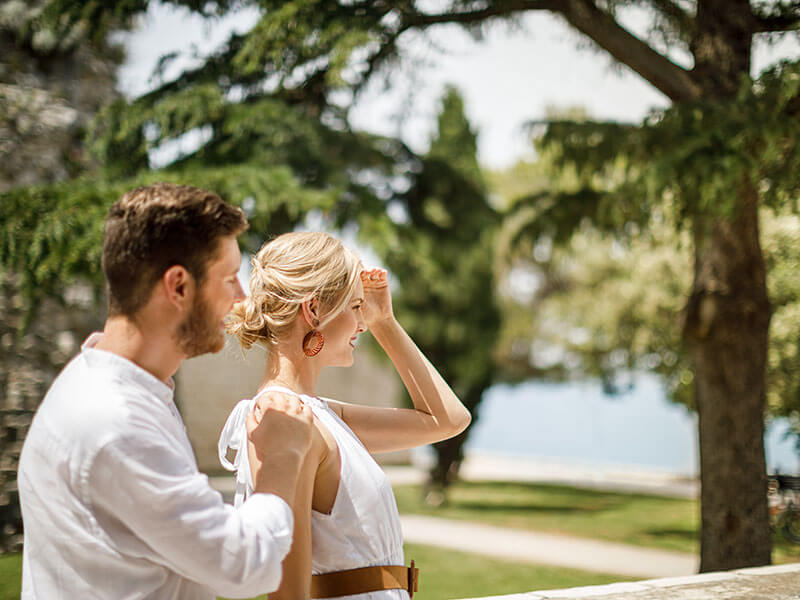
Explore the best of Istria
Attractions
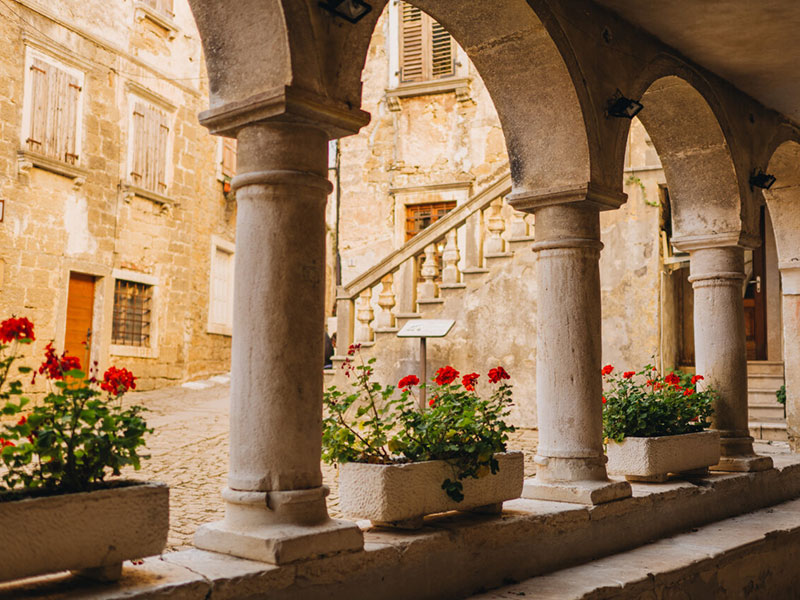
Things to see in Istria
If you love exploring at your own pace, Istria has no shortage of sights worth seeing. From UNESCO-protected landmarks and Roman ruins to quiet artist towns in the hills, each place reveals a piece of the region’s charm and history. Whether you're wandering cobbled streets, admiring ancient architecture or taking in the views, these are the spots that bring Istria to life. They're perfect for slow travel, thoughtful moments and discovering what makes this region so special.
Explore sights in Istria

Pula Arena
Step into history at Pula’s Roman amphitheatre.
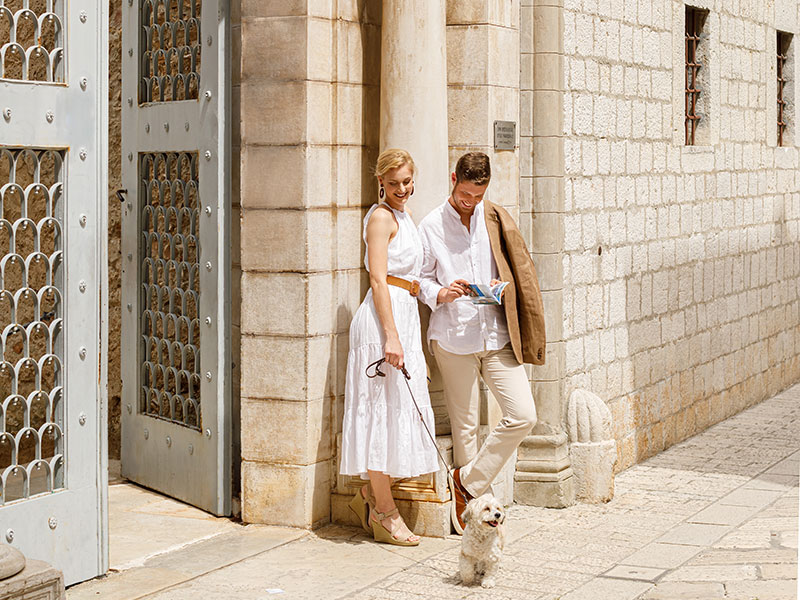
Poreč’s old town
Journey through time in Poreč's historic and vibrant old town.
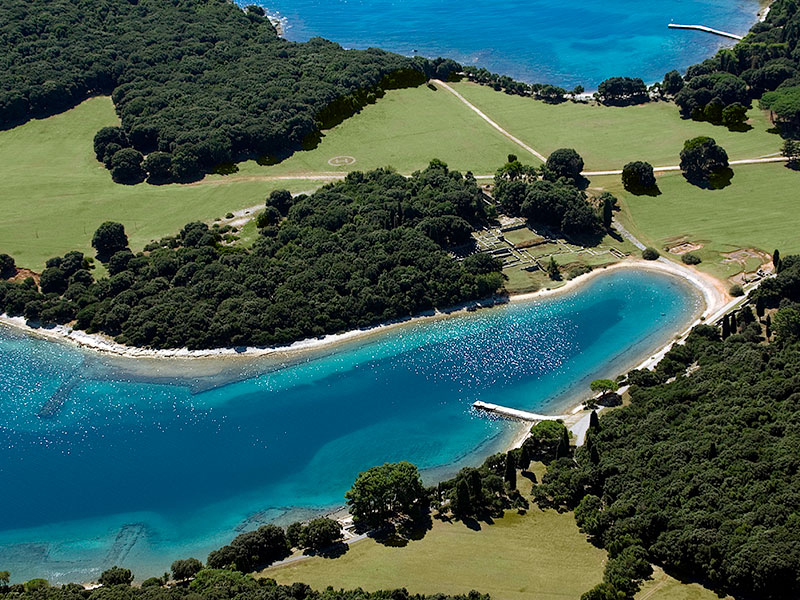
Brijuni National Park
Sail to Brijuni, an archipelago of beauty and ancient ruins.
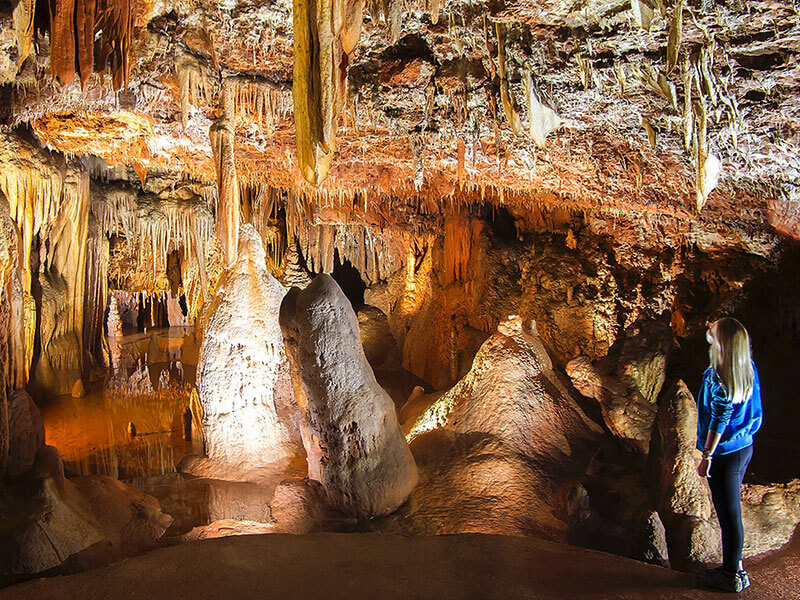
Baredine Cave
Discover Istria's hidden beauty in the Baredine karst cave.
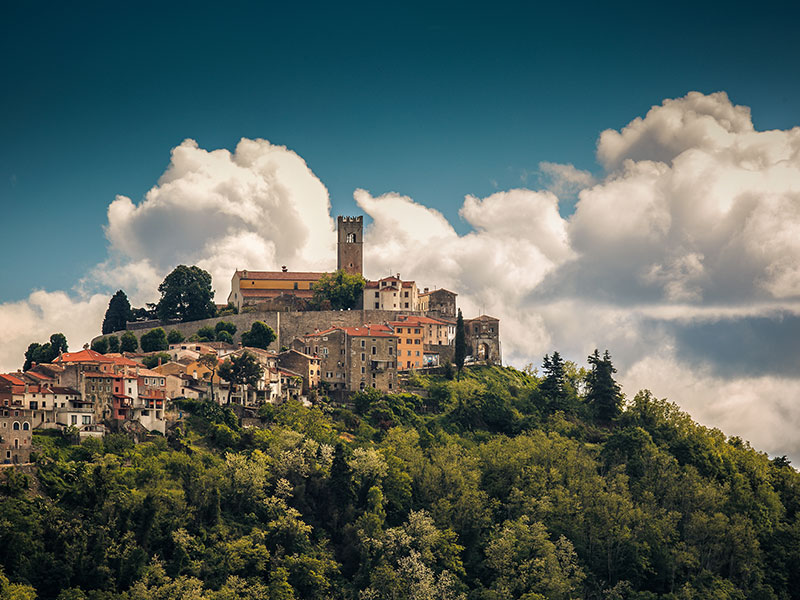
Motovun
Explore Motovun, famous for truffles and timeless charm.
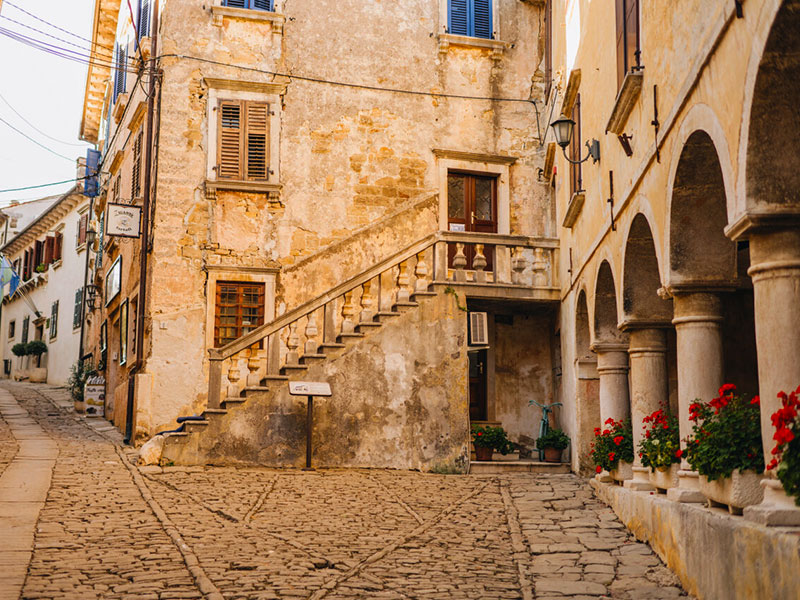
Grožnjan
Explore galleries and studios in artistic Grožnjan.
Activities
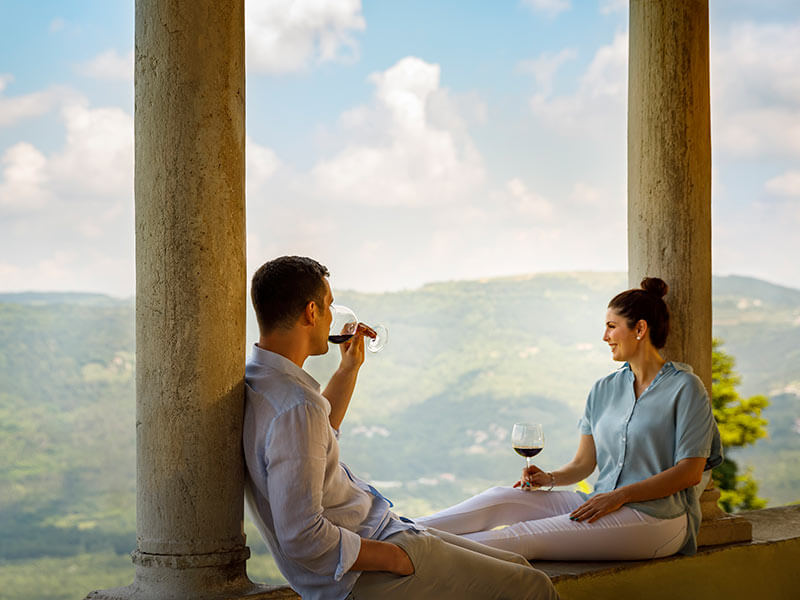
Things to do in Istria
When you're ready to trade quiet sightseeing for a dose of adrenaline, Istria has plenty to offer. Fly through forests on ziplines, climb rope courses, or descend into caves with underground lakes. You’ll also find puzzle-packed escape games in castles and splash-filled water parks perfect for cooling off. It’s not just fun for kids, these activities are a fresh way to shake up your trip and make memories you’ll actually want to talk about.
Explore activities in Istria
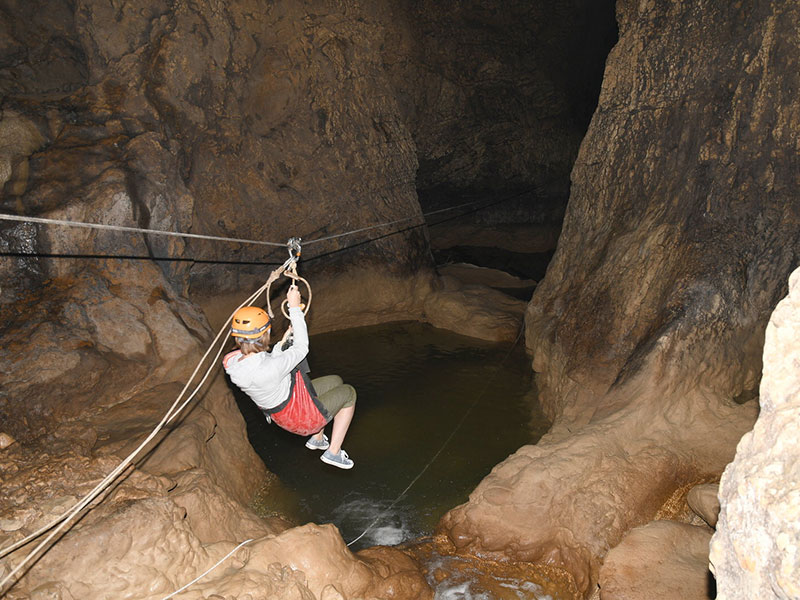
Pazin Cave
Experience thrilling underground exploration in Pazin.
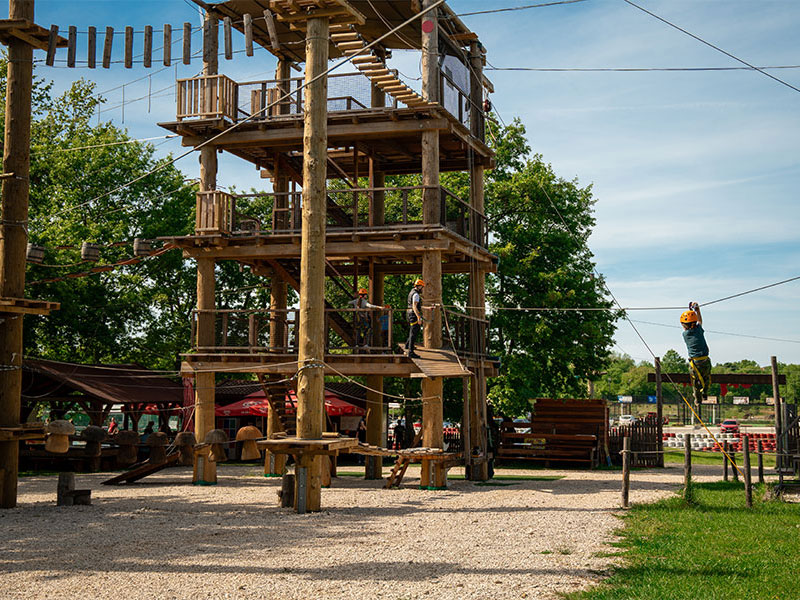
Sky Fox Adventure Park
Over 50 forest courses await. Ready for a challenge?
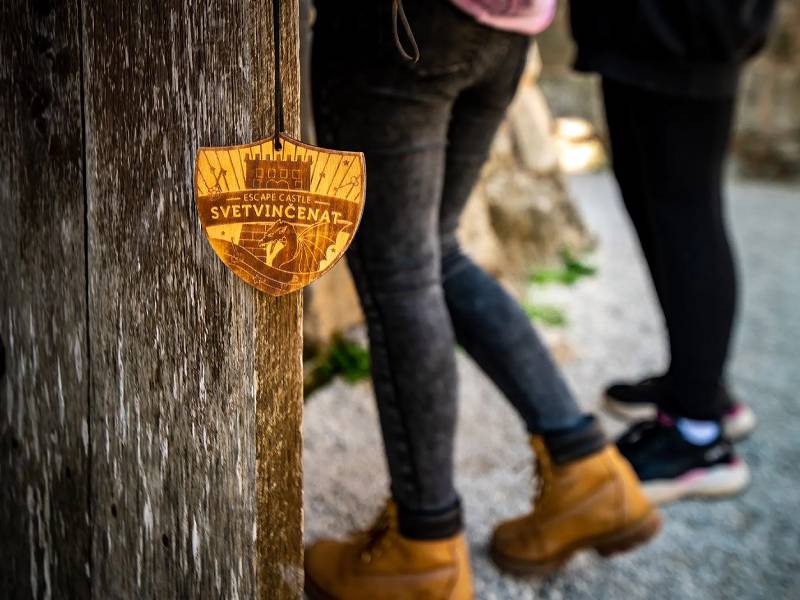
Escape Castle Svetvinčenat
A medieval escape room adventure awaits.
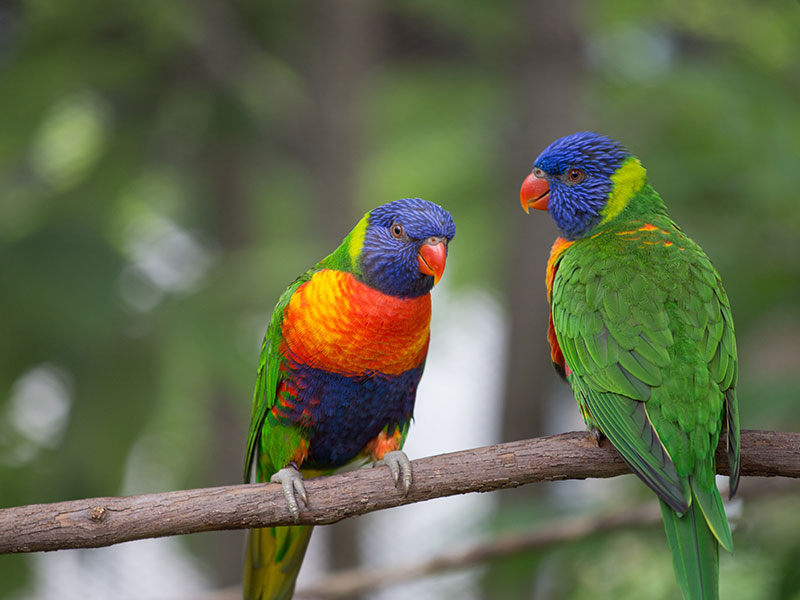
Papago Park
Get up close with colorful birds in a forest sanctuary.
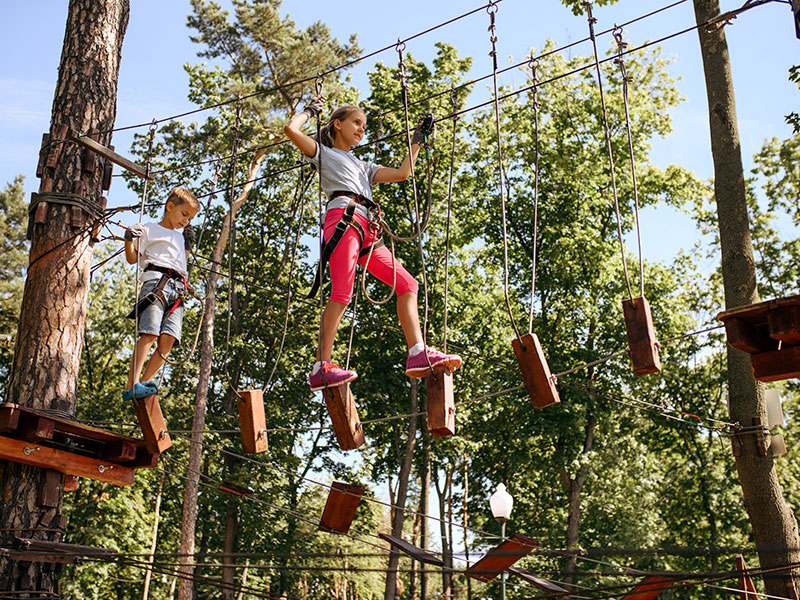
Adrenalin Park Kringa
Test your limits on high ropes at Adrenalin Park Kringa.

Waterparks
Cool off and have a blast at Aquacolors or Istralandia.
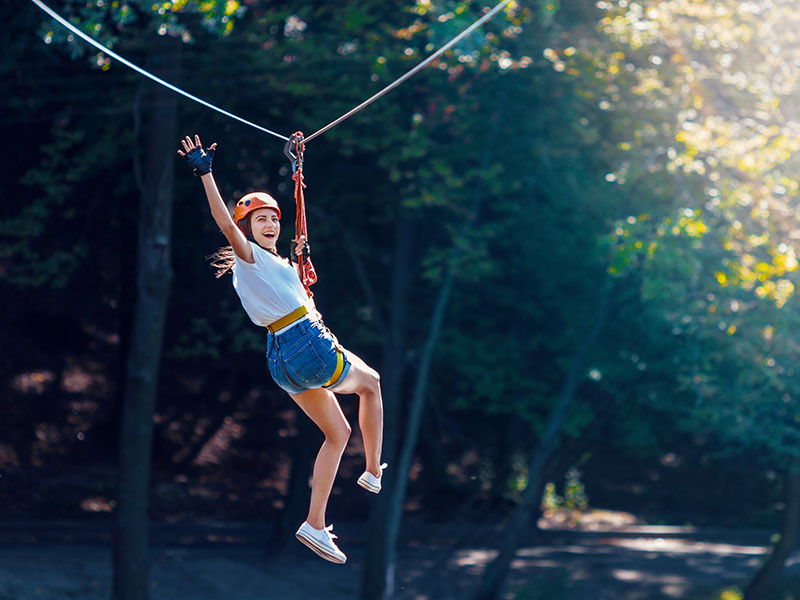
Glavani Park
Enjoy high-energy outdoor fun, from ziplines to a human catapult.
Download our Valamar app and start your carefree vacation!