Istria enchants with its spectacular coastline, remarkable inland landscapes, layered history and exceptional cuisine.
Istria
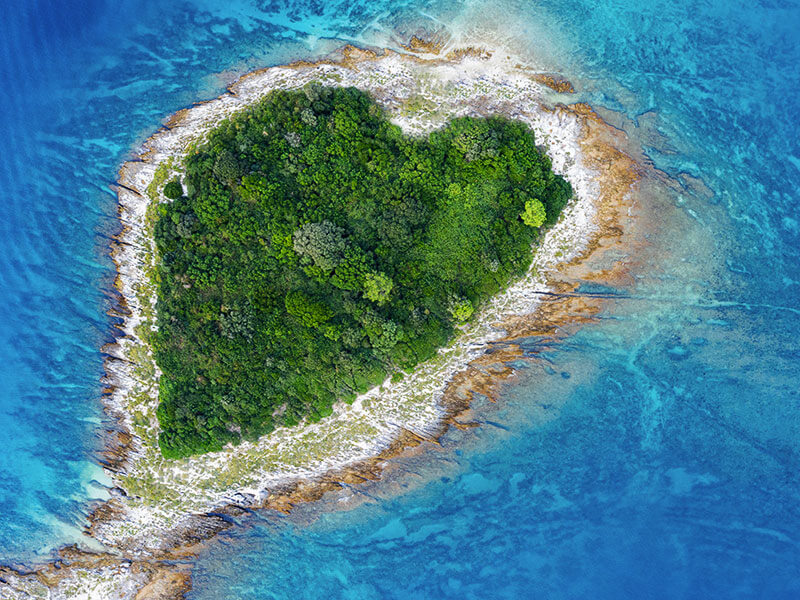
Croatia’s heart-shaped peninsula
Discover the allure of Istria, a heart-shaped peninsula where rolling vineyards, olive groves and storybook hilltop towns meet the azure waters of the Adriatic. Renowned for its truffles, world-class wines and deep-rooted history, Istria invites you to savour tastes and timeless beauty.
Find out more
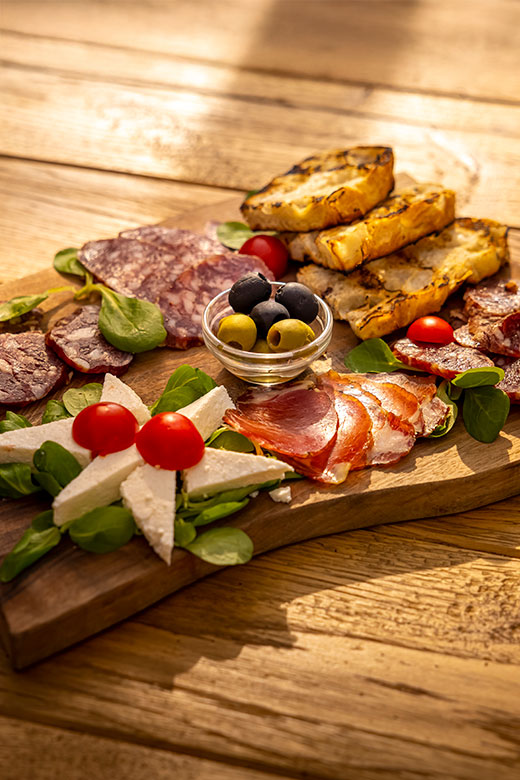
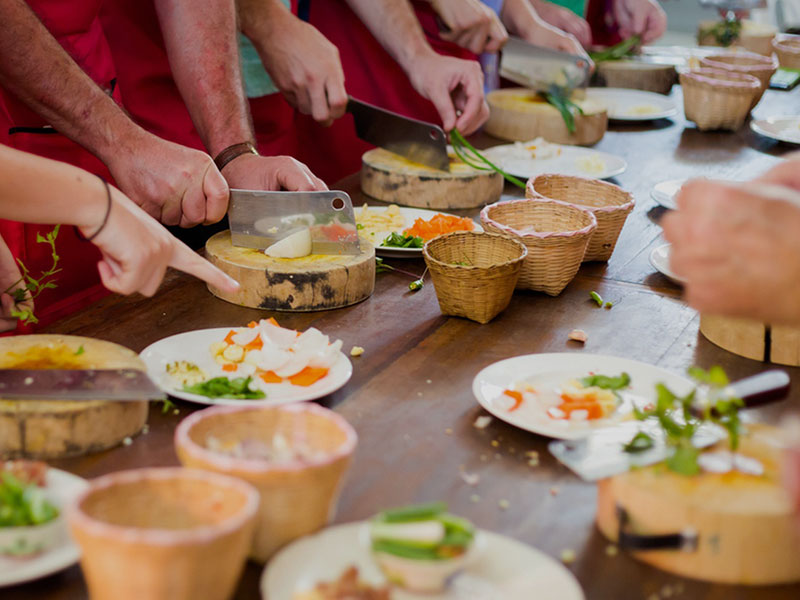
Indulge in world-class cuisine
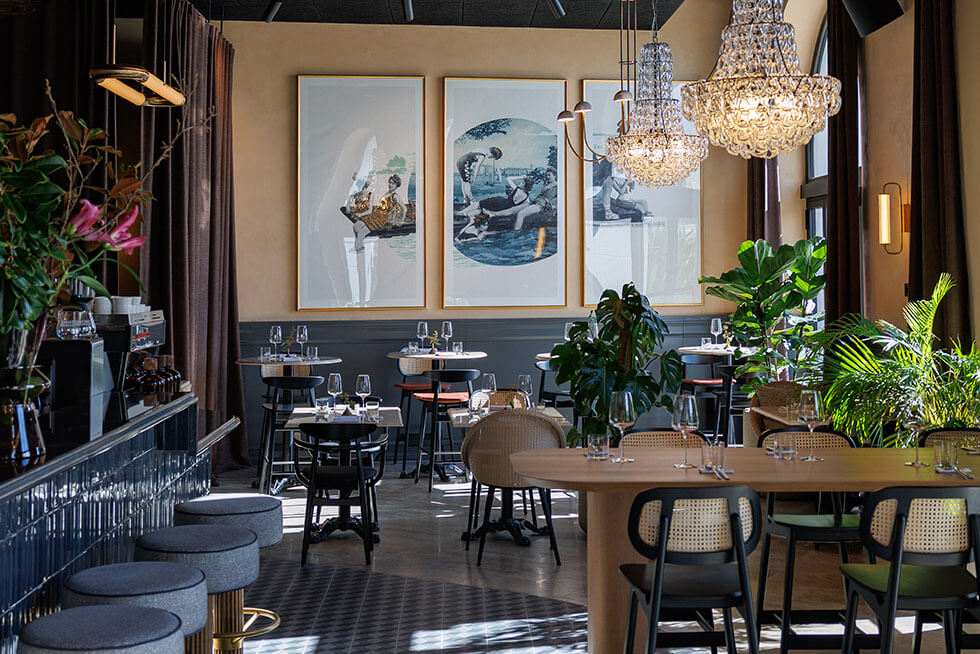
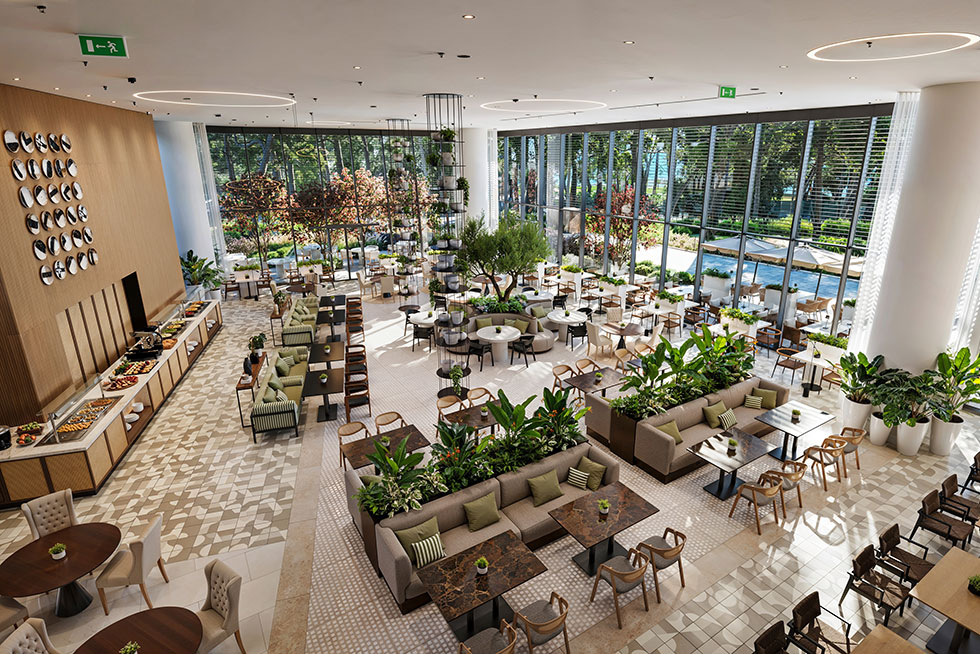
Relish the renowned cuisine of Istria, where truffles, olive oil and world-class wine shine
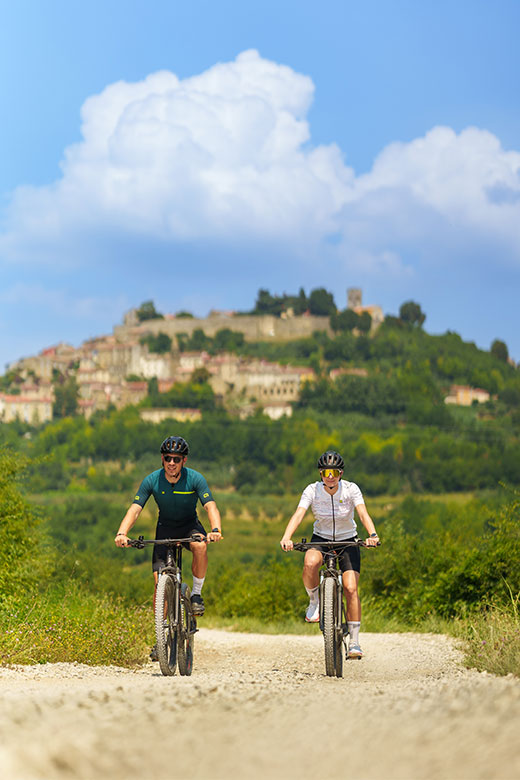
Explore diverse landscapes
Get active in Istria, where trails wind through vineyards, villages and coastal landscapes
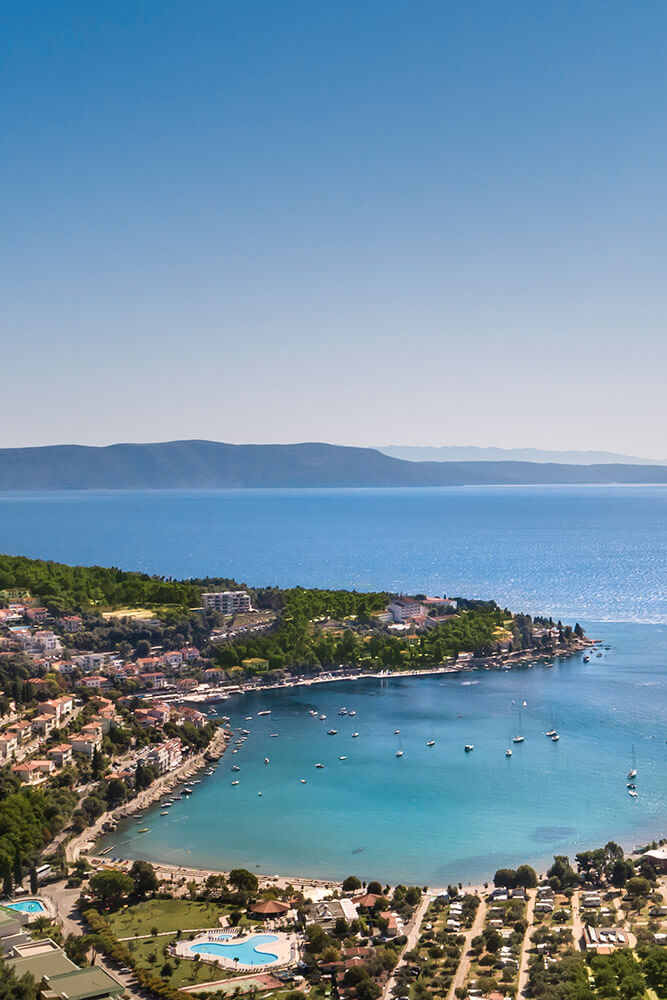
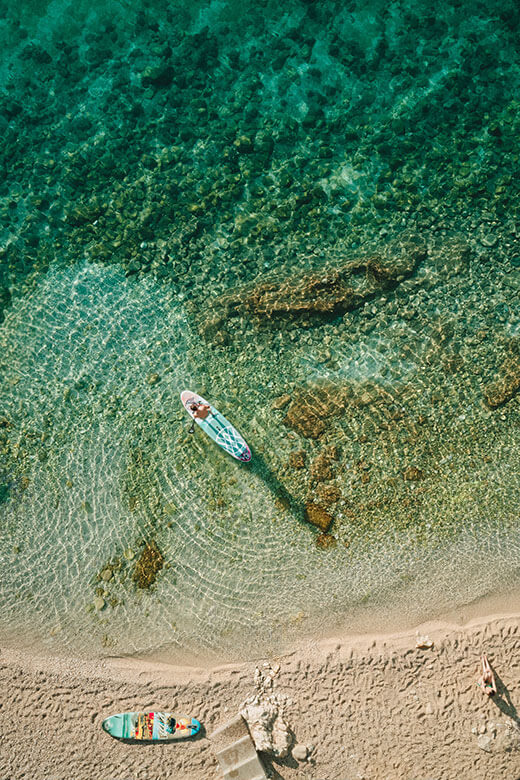
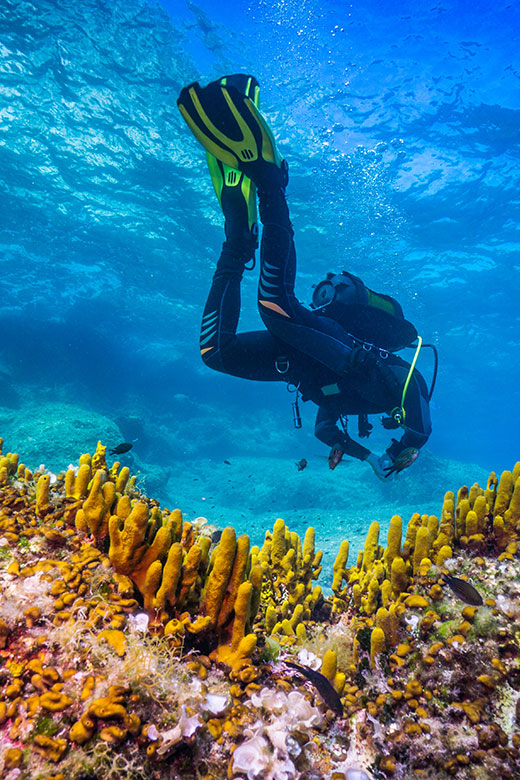
Embrace the blue Adriatic
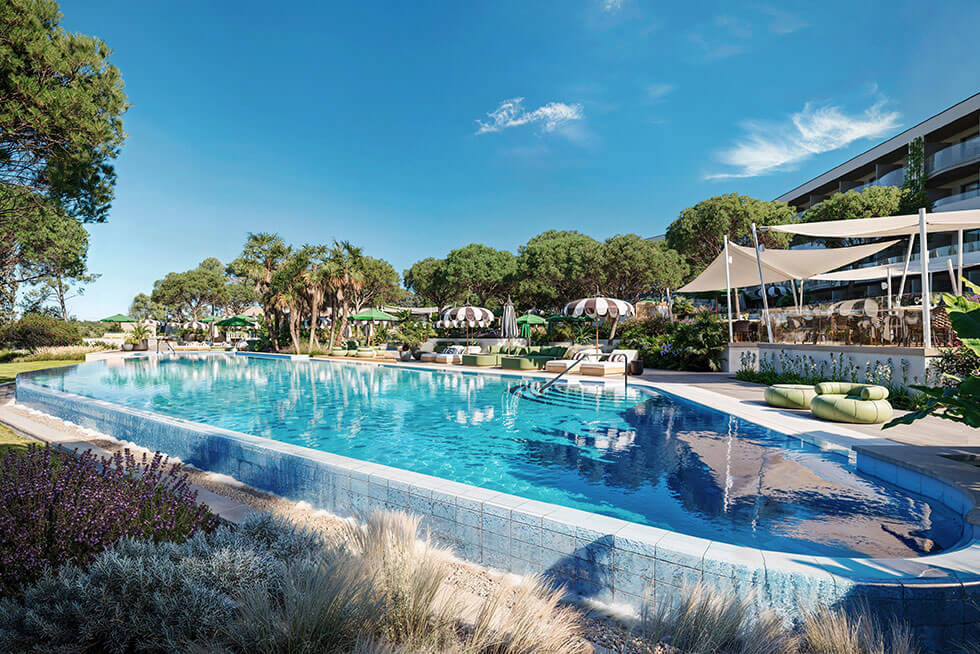
Embrace the sunny Istrian coastline, where sapphire waters meet forest-fringed beaches
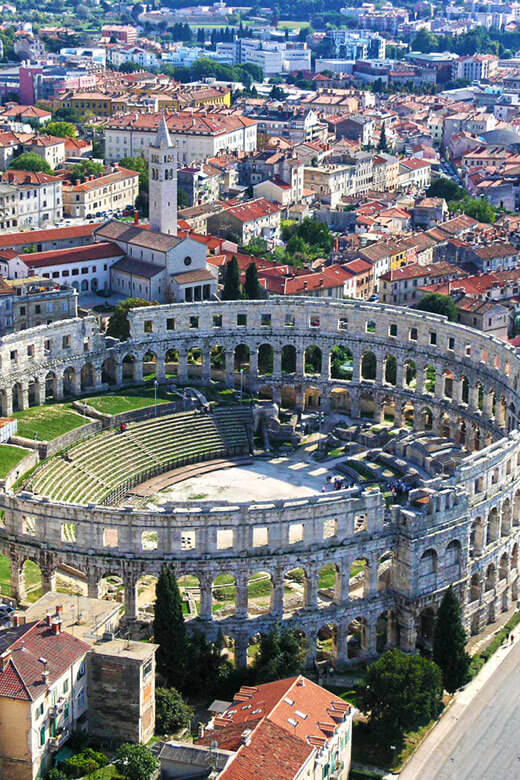
Visit UNESCO-listed attractions
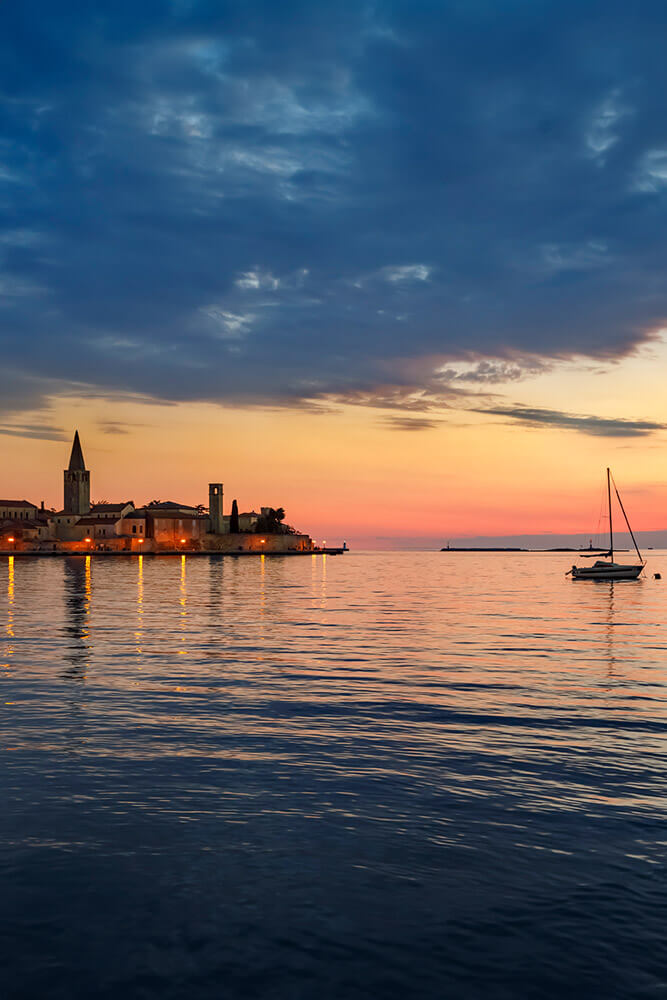
Visit UNESCO attractions, from the ancient Pula Arena to the Euphrasian Basilica in Poreč
Located at the top of the Adriatic, Istria is an expansive heart-shaped peninsula with stunning diversity. Its abundant forests, rolling hills and storybook hilltop villages are the backdrop for a sparkling coastline, where deep blue waters meet dramatic caves and staggering cliffs.