History, language and culture
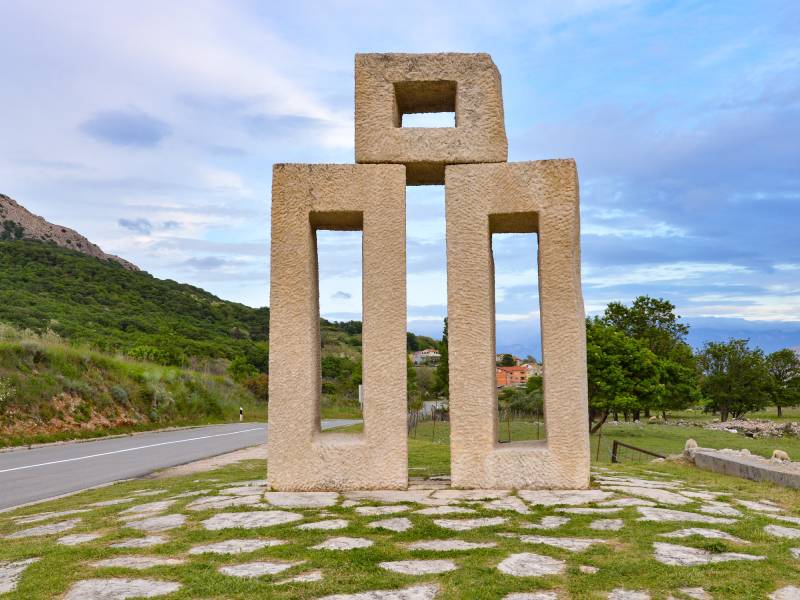
Delve into Croatian history
Croatia's history is a fascinating mosaic of invasions, alliances, and cultural shifts that have shaped its identity over centuries. From the earliest inhabitants to modern-day independence, each era has left an indelible mark on the cultural and national landscape of Croatia.
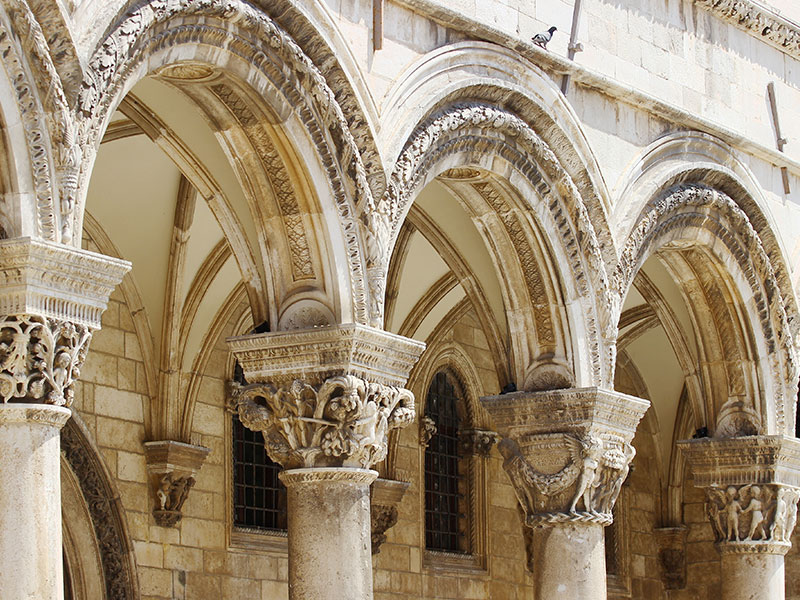
Below is a timeline highlighting some of the pivotal moments in Croatia's history:
- 1st millennium BC: Illyrian tribes, later Celts and Greeks, settle the area. Greek colonies are founded along the Adriatic
- 1st century BC – 1st century AD: Romans conquer the region and establish the provinces of Dalmatia and Pannonia
- 9th century: princes Trpimir and Branimir consolidate power and secure recognition of Croatian independence
- 10th century: king Tomislav unites Pannonian and coastal Croatia, forming the first Croatian kingdom
- 1102: Croatia enters a personal union with Hungary (Pacta Conventa)
- 1409 – 1797: Venice rules Dalmatia after purchasing it from king Ladislaus
- 15th century: Ottoman incursions begin, leading to centuries of conflict
- 16th – 19th century: Croatia comes under Habsburg rule after the Battle of Mohács
- 19th century: the Croatian national revival (Illyrian movement) promotes language and culture against foreign influence
- 1848: ban Josip Jelačić leads a revolution defending Croatian autonomy
- 1867 – 1868: formation of Austria-Hungary; the Croatian–Hungarian Settlement grants limited autonomy
- 1918: Croatia severs ties with Austria-Hungary and joins the Kingdom of Serbs, Croats and Slovenes (later Yugoslavia). Italy occupies Istria, Rijeka and Zadar
- World War II: Croatia becomes the Nazi-aligned NDH puppet state; after the war, it becomes a republic within socialist Yugoslavia
- 1991 – 1995: Croatia declares independence; the Homeland War ends with full territorial control restored
- 2013: Croatia joins the European Union
- 2023: Croatia adopts the euro and enters the Schengen Area
- Today: the country focuses on sustainable tourism and protecting its natural heritage
The Croatian language
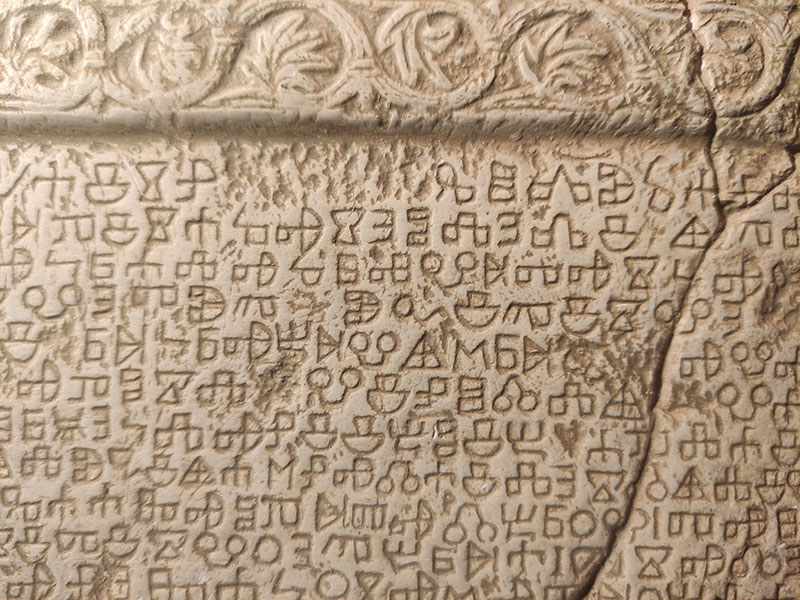
Croatian, part of the South Slavic language group, reflects the nation’s resilience and cultural identity. It developed from Old Church Slavonic and, over centuries, absorbed influences from Latin, German and Italian through trade, conquest and cultural exchange.
A unique feature of Croatian is its three main dialects: Kajkavian, Chakavian, and Shtokavian - the last serving as the standard for literature, media, and education. These dialects add depth and diversity, mirroring Croatia’s regional traditions and history.
However, most Croats speak English and other foreign languages fluently, a product of the country's tourism industry and its position as a member of the European Union.
A colorful blend of tradition and modernity
Croatian culture is a diverse fusion of influences that reflects the country's tumultuous past. From traditional folk dances and music to modern art and literature, there is no shortage of cultural expressions to discover in Croatia.
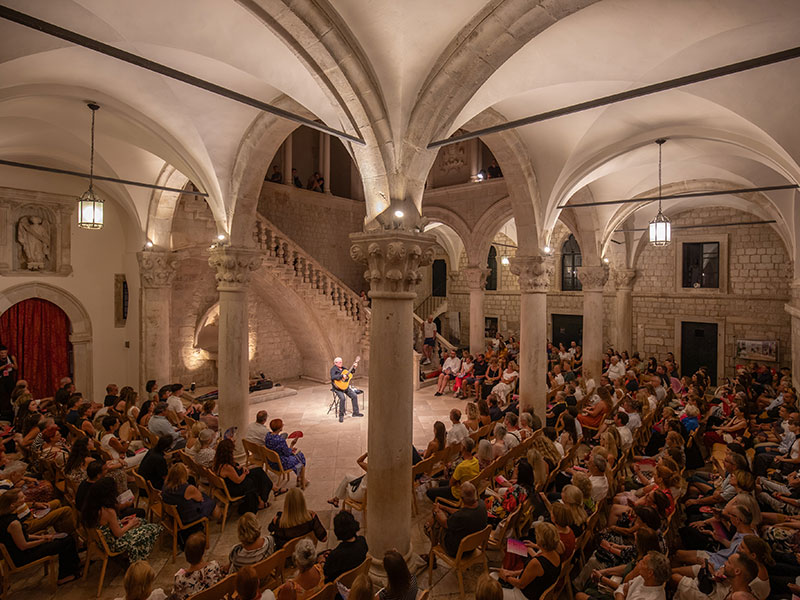
Here are some elements that encapsulate the richness of Croatian culture:
- Folklore: folk traditions remain an integral part of Croatians' lives, with festivals, songs, and dances celebrating their heritage
- Food: Croatian cuisine is a delicious blend of Mediterranean and Central European influences, with each region having its signature dishes and ingredients
- Art: Croatia boasts a thriving contemporary art scene while also preserving its magnificent historical sites, such as the Diocletian's Palace in Split and Dubrovnik's city walls
- Sports: sports are an essential part of Croatian culture, with football (soccer) being the most popular. Other sports like water polo, handball, and basketball also have a strong following in the country