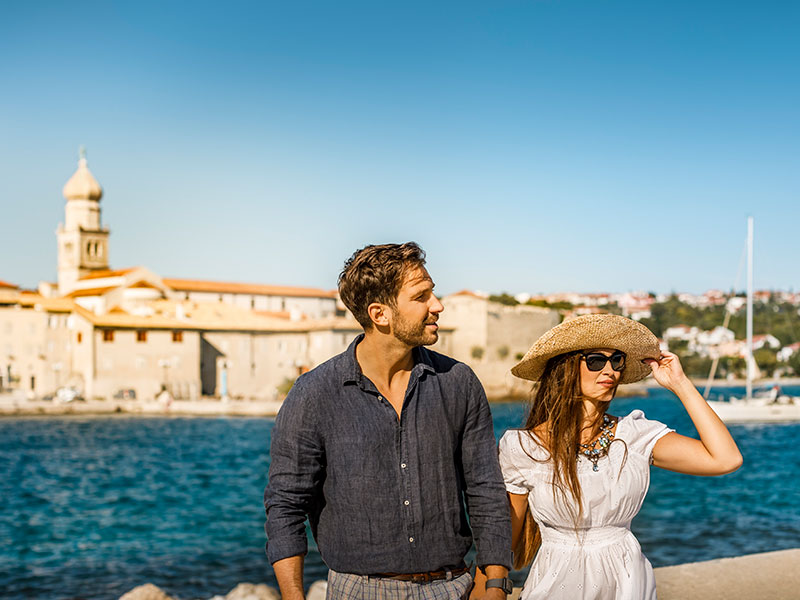
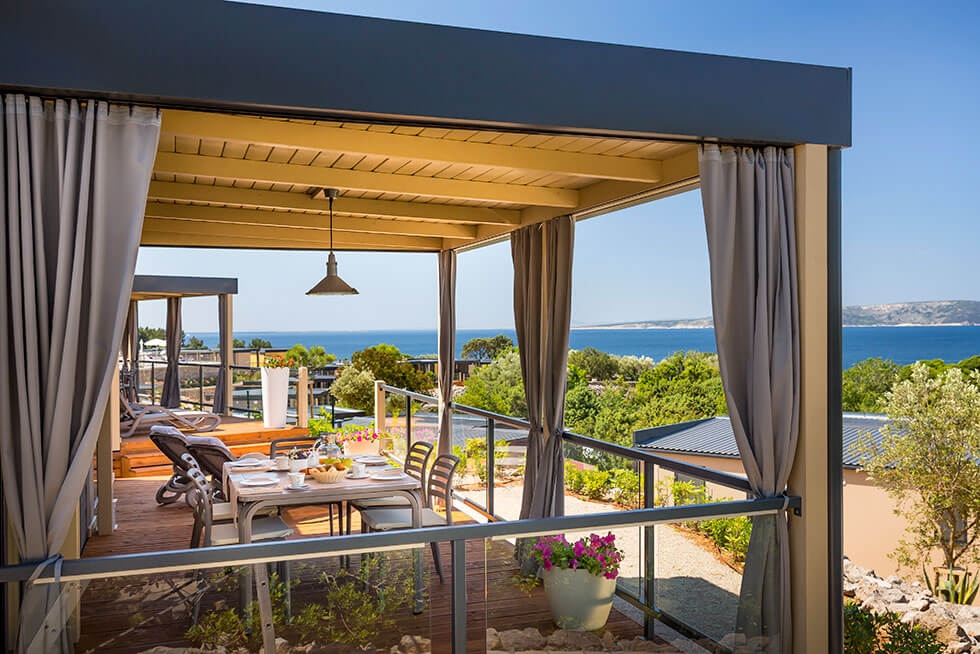
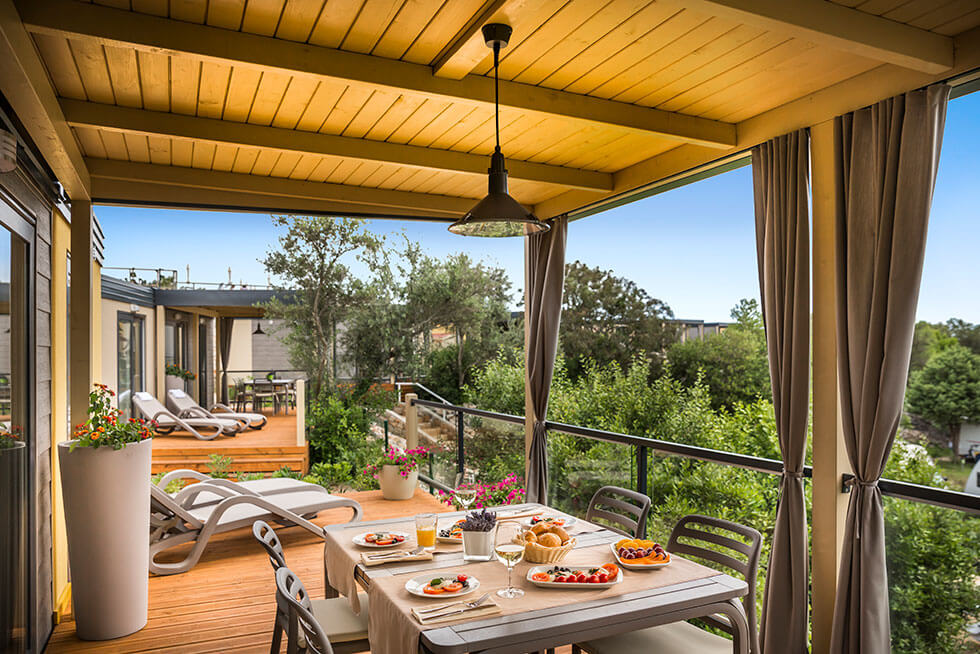
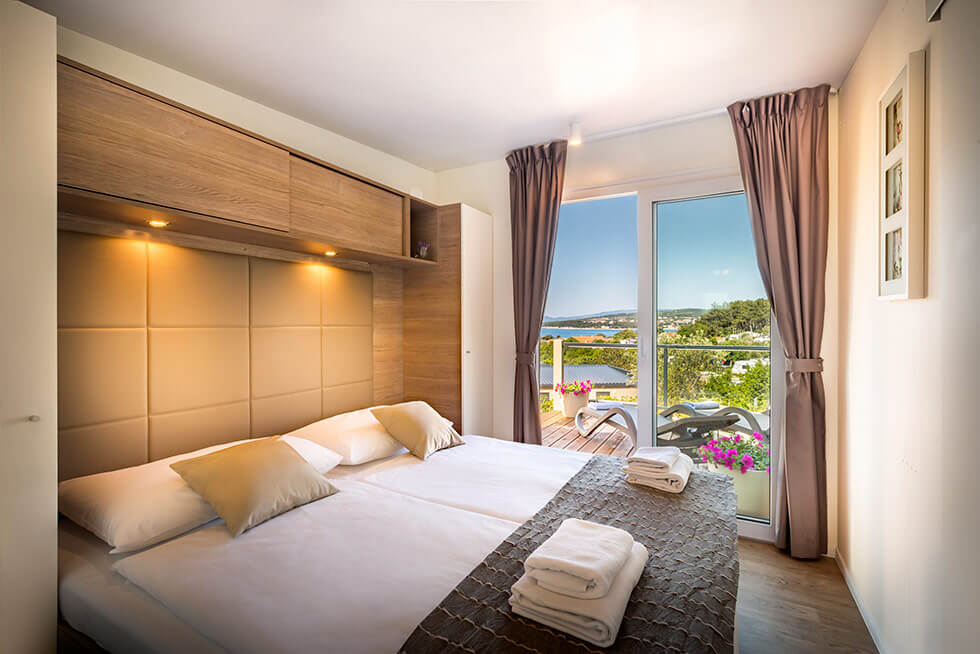
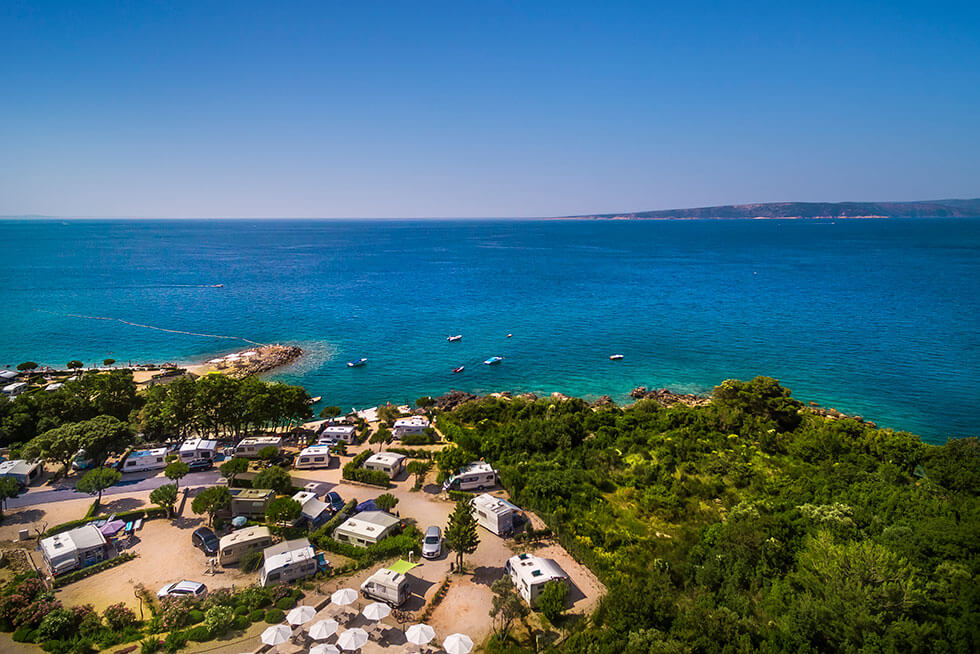
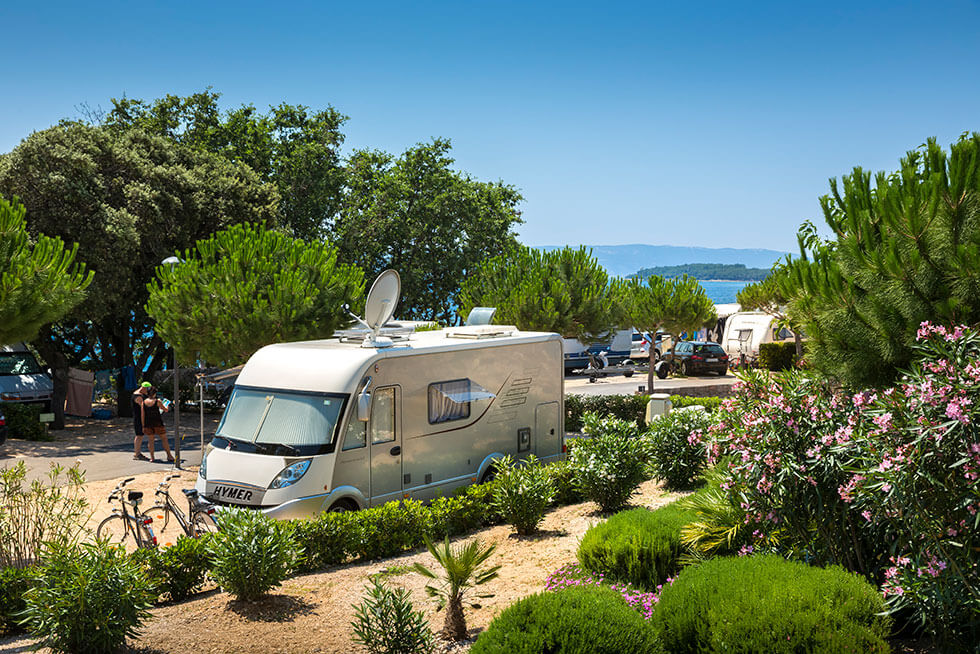
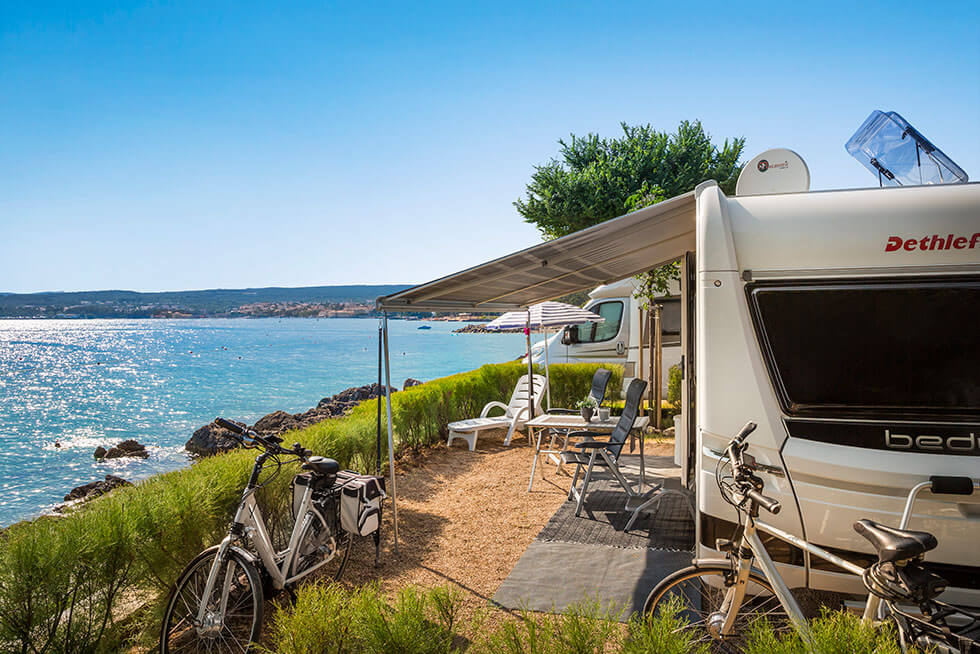
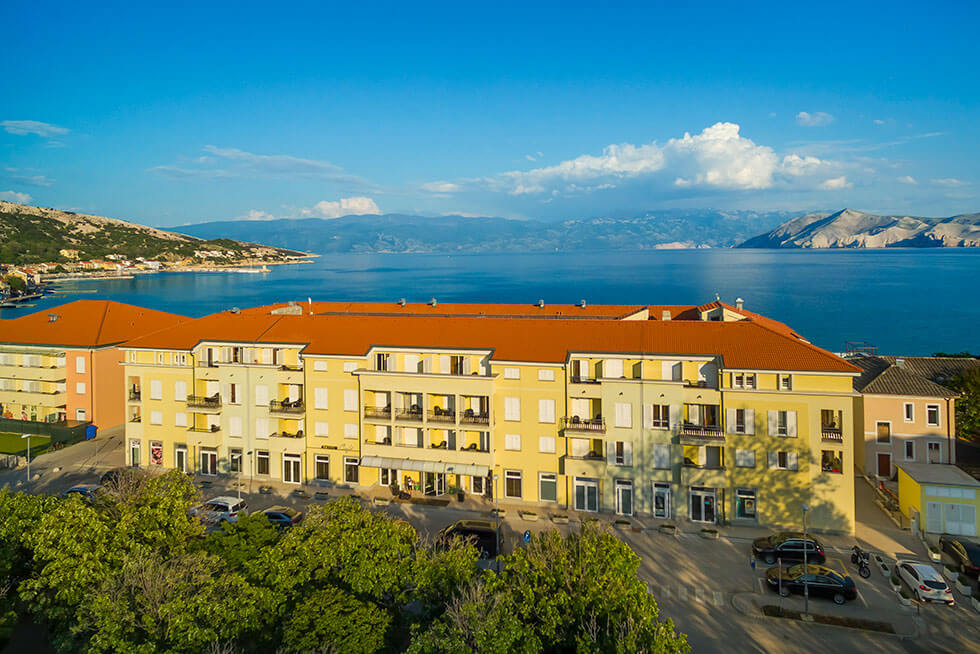
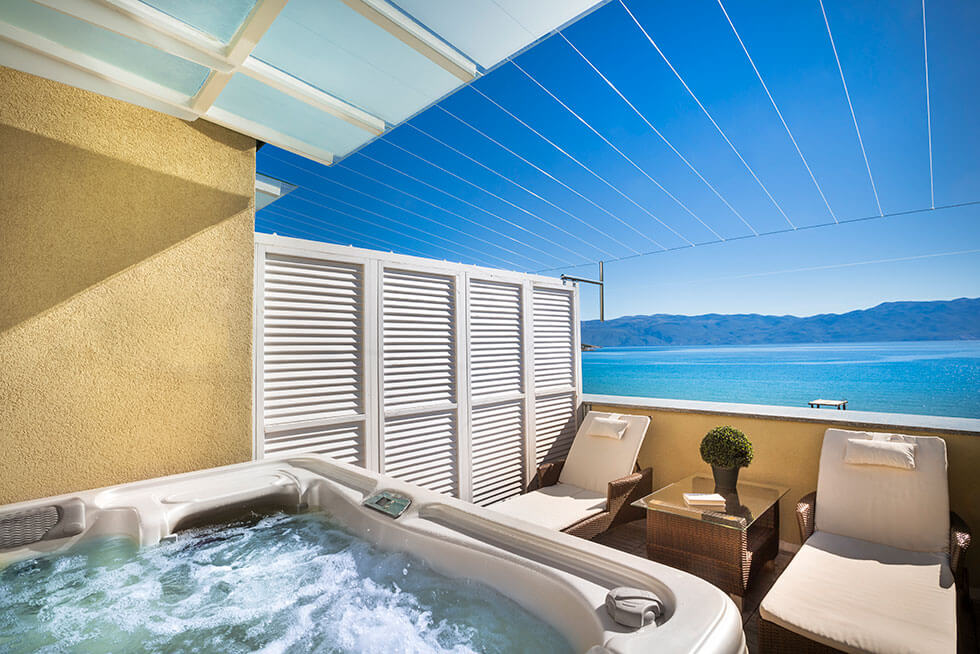
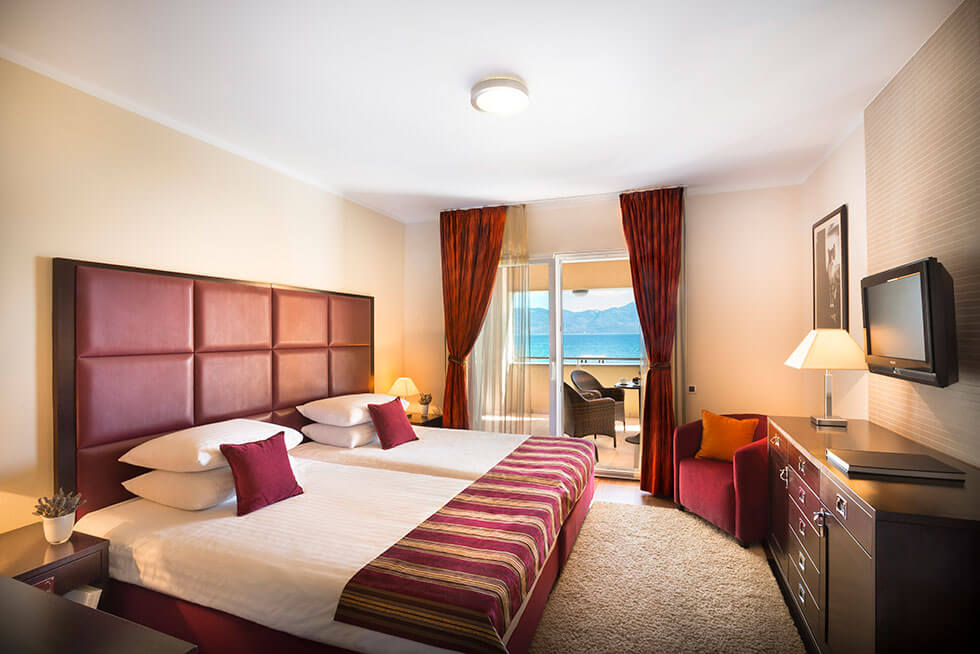
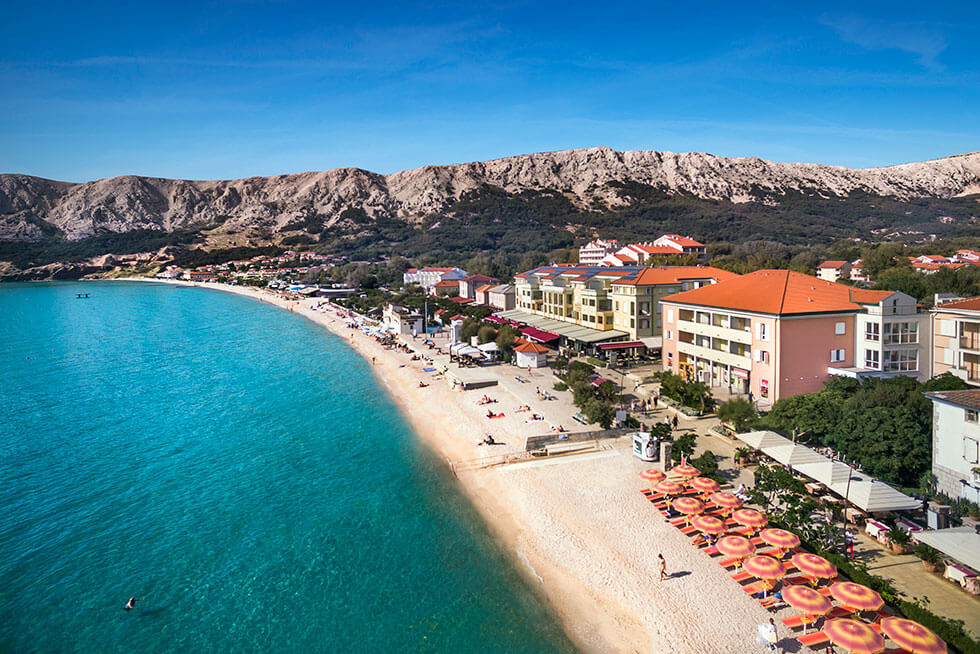
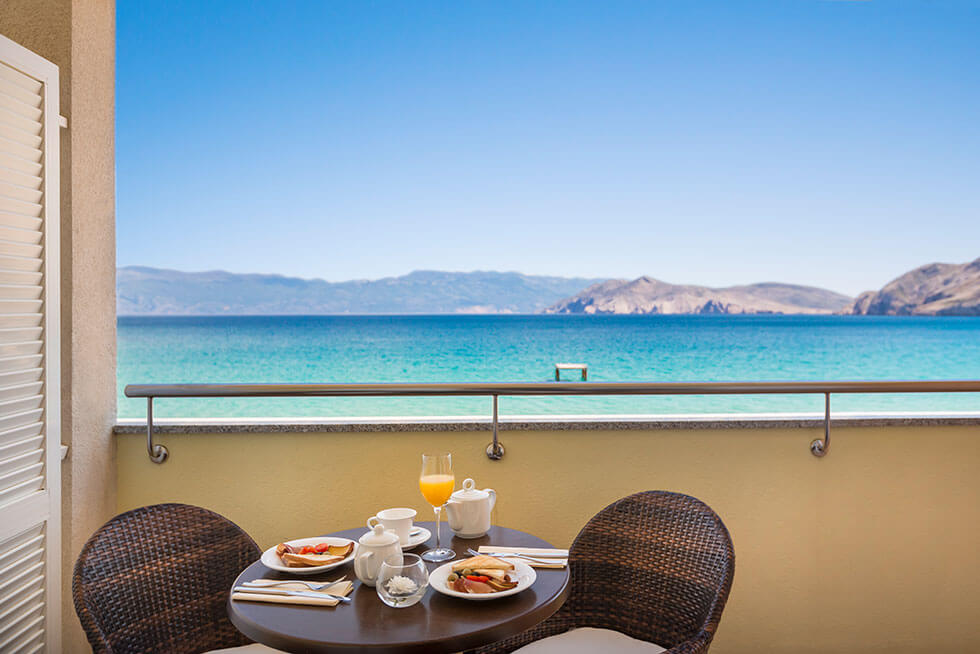
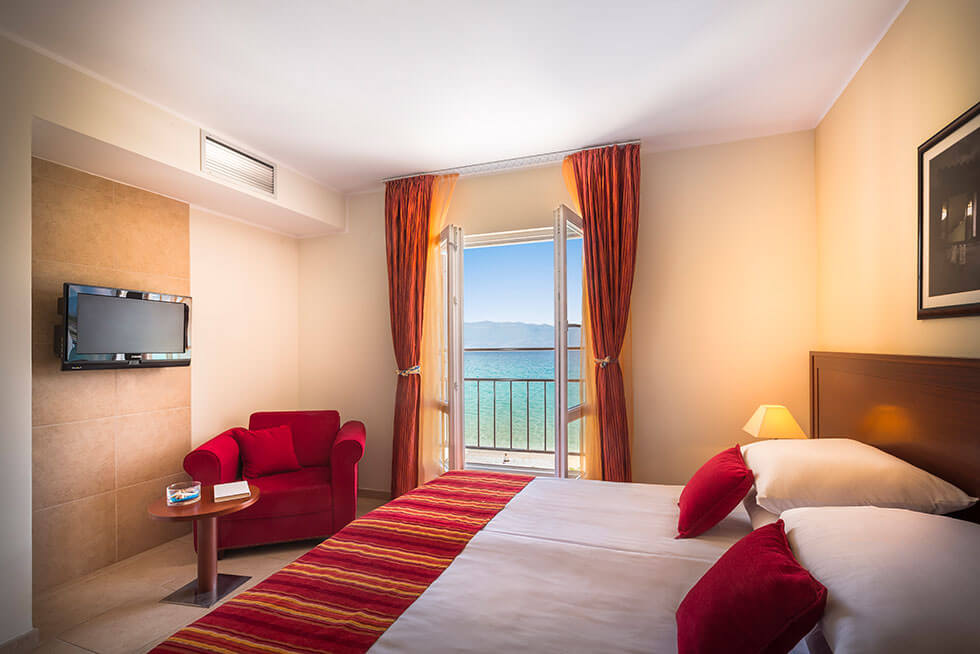
Venture into Croatian heritage on Krk Island, where ancient civilisations, lush landscapes and modern luxuries merge.
Krk Island
Croatia’s Golden Island
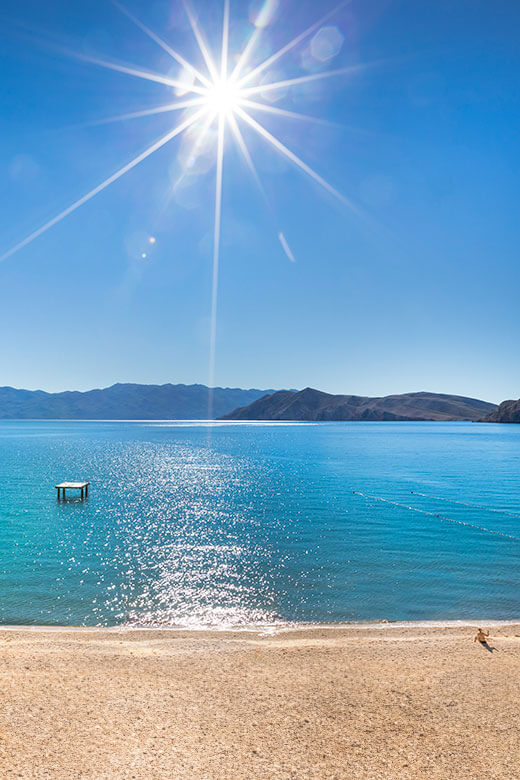
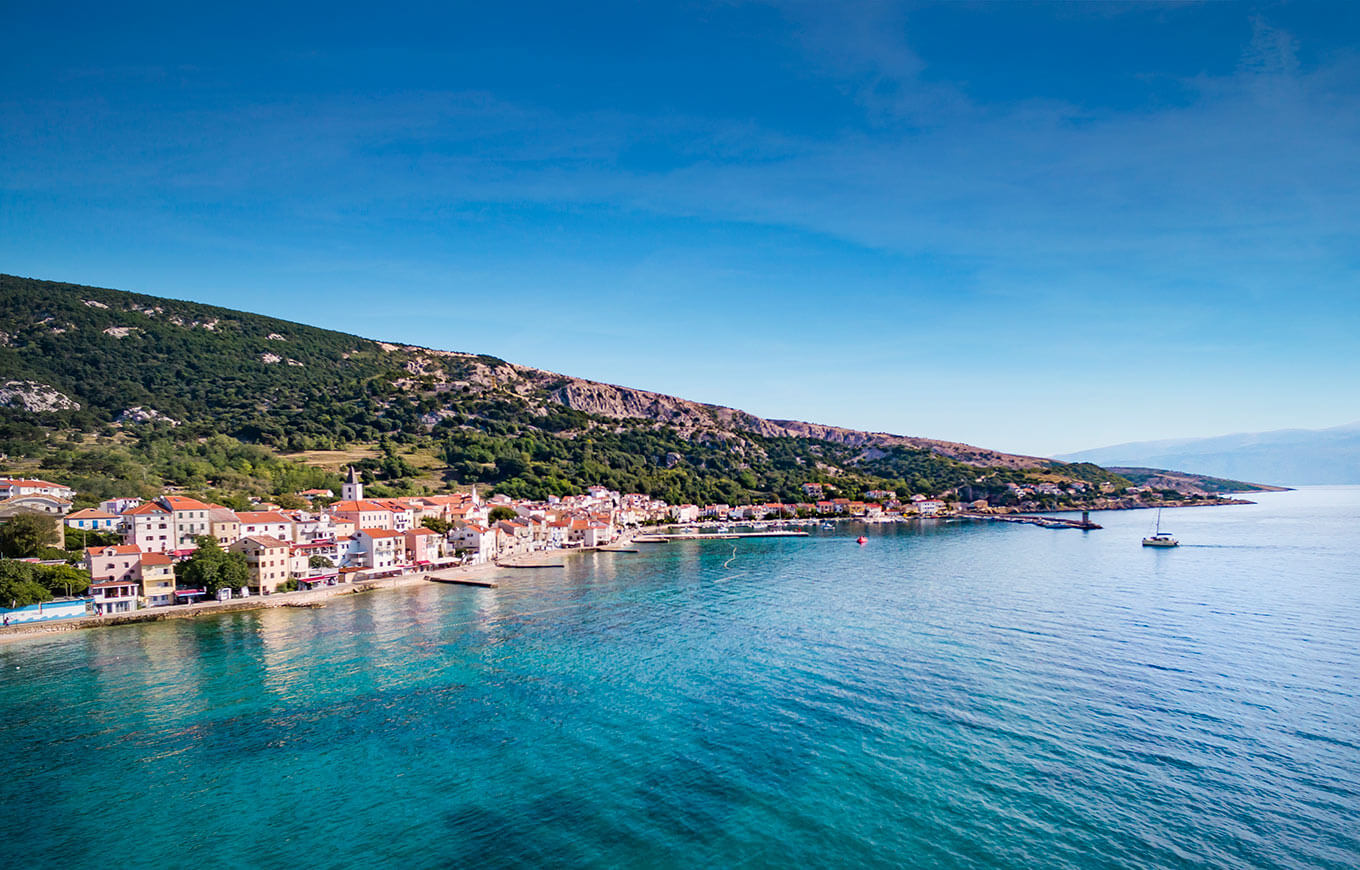
Krk Island holds the crown as Croatia’s largest and most populated island. Despite this, it remains pristine and warmly welcoming, feeling uniquely intimate. From its medieval towns to natural beauty, Krk offers something for everyone.
Find out more
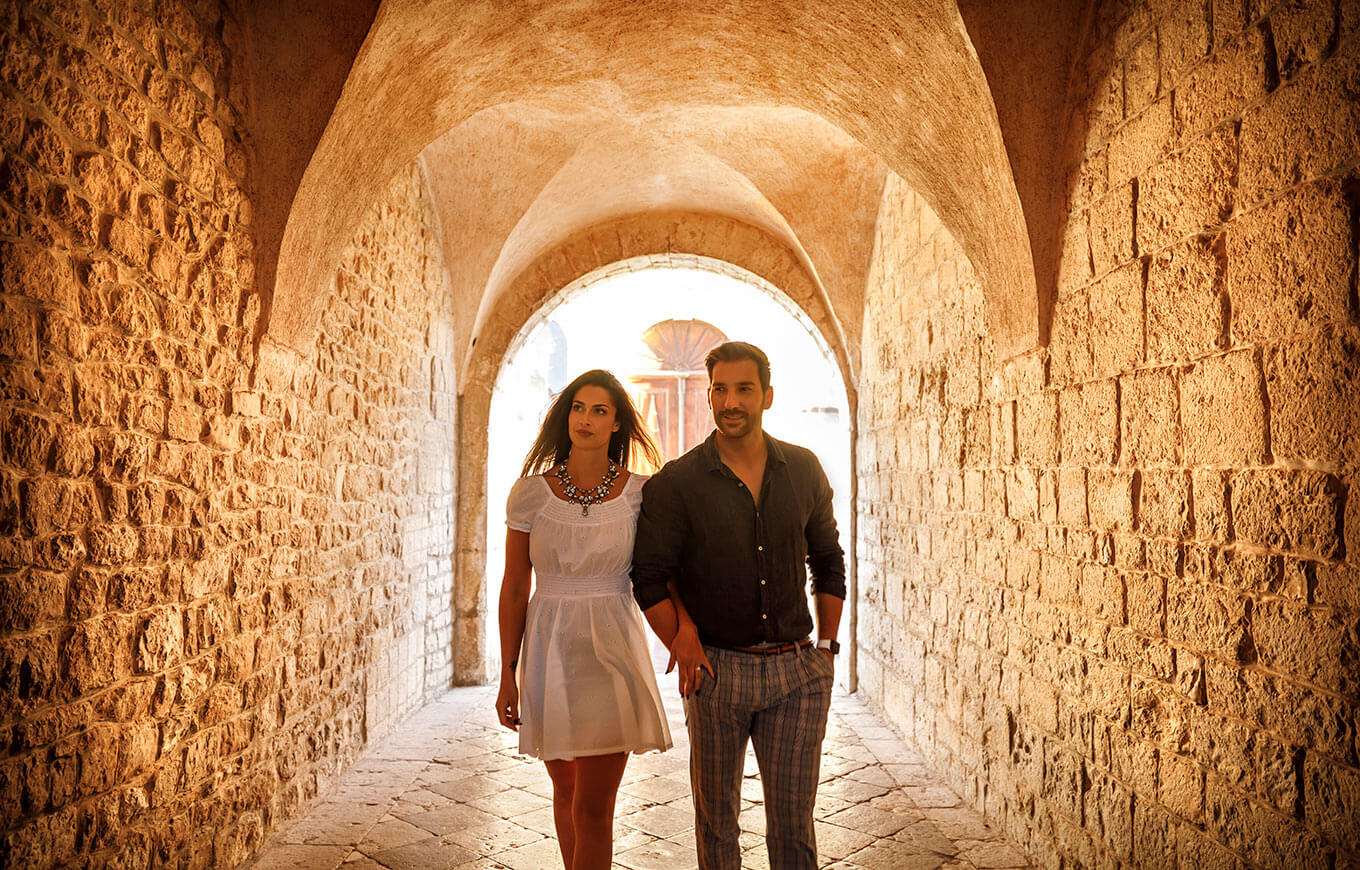
A cradle of Croatian culture
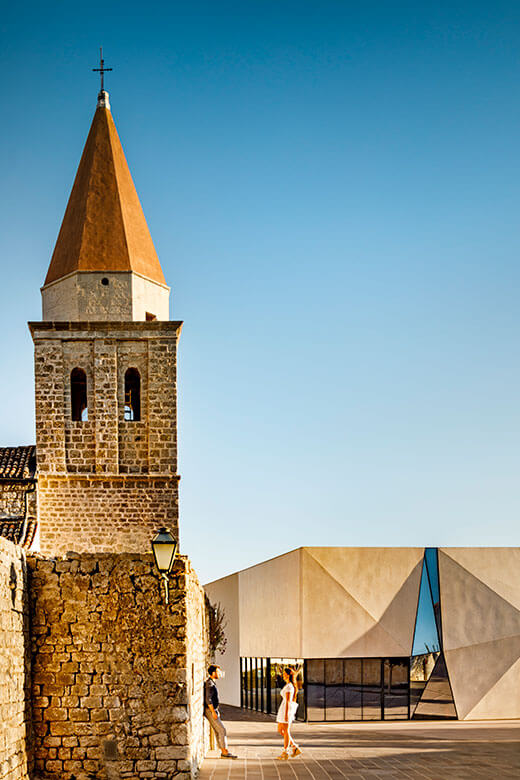
Step into the storied past of Krk, where the foundations of Croatian culture and language were laid
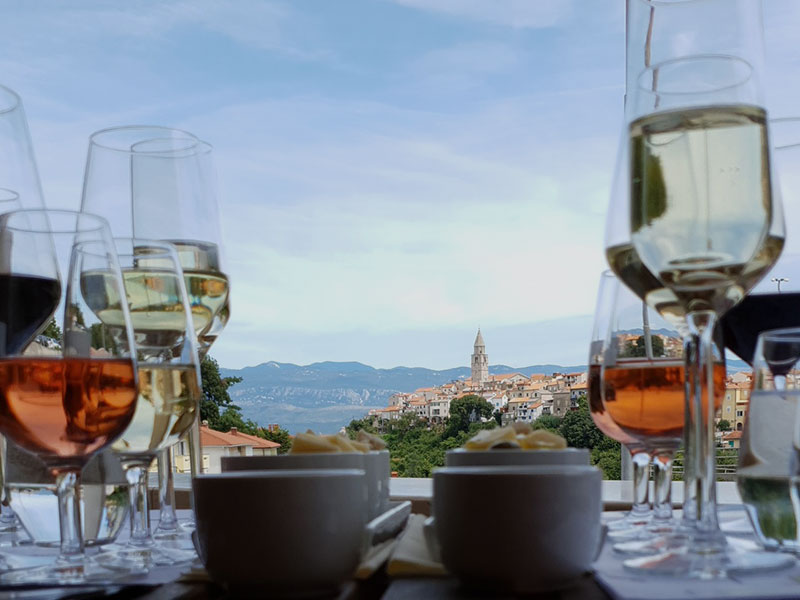
Finest wines
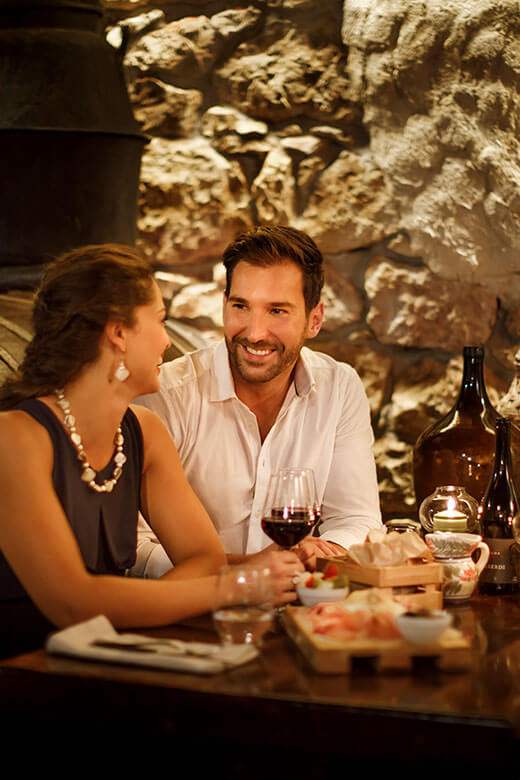
Discover Krk’s legendary wines, where each sip captures the island’s vinicultural excellence
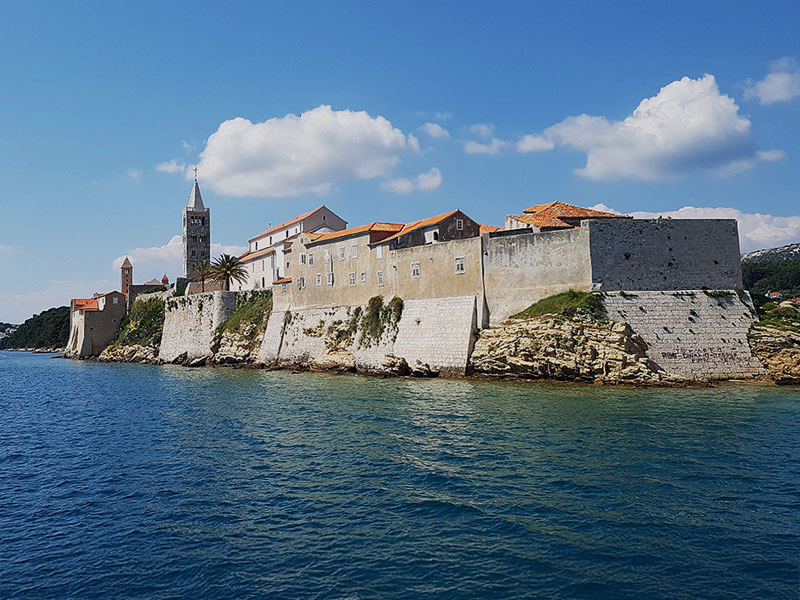
Easy-to-reach island
Easily accessible, Krk offers an island retreat that caters to every whim and desire
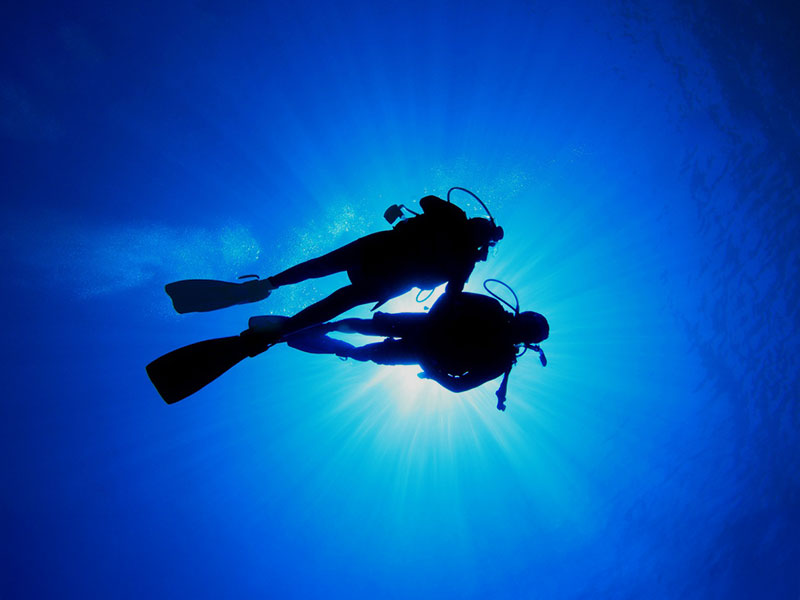
Ideal for adventure seekers
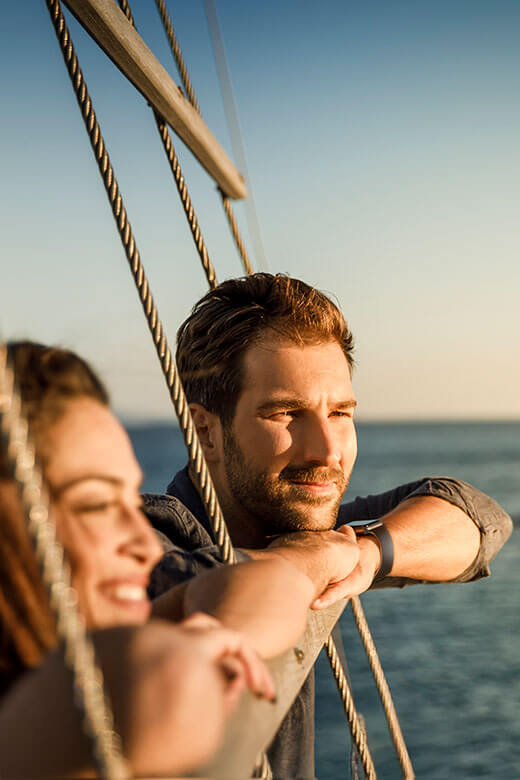
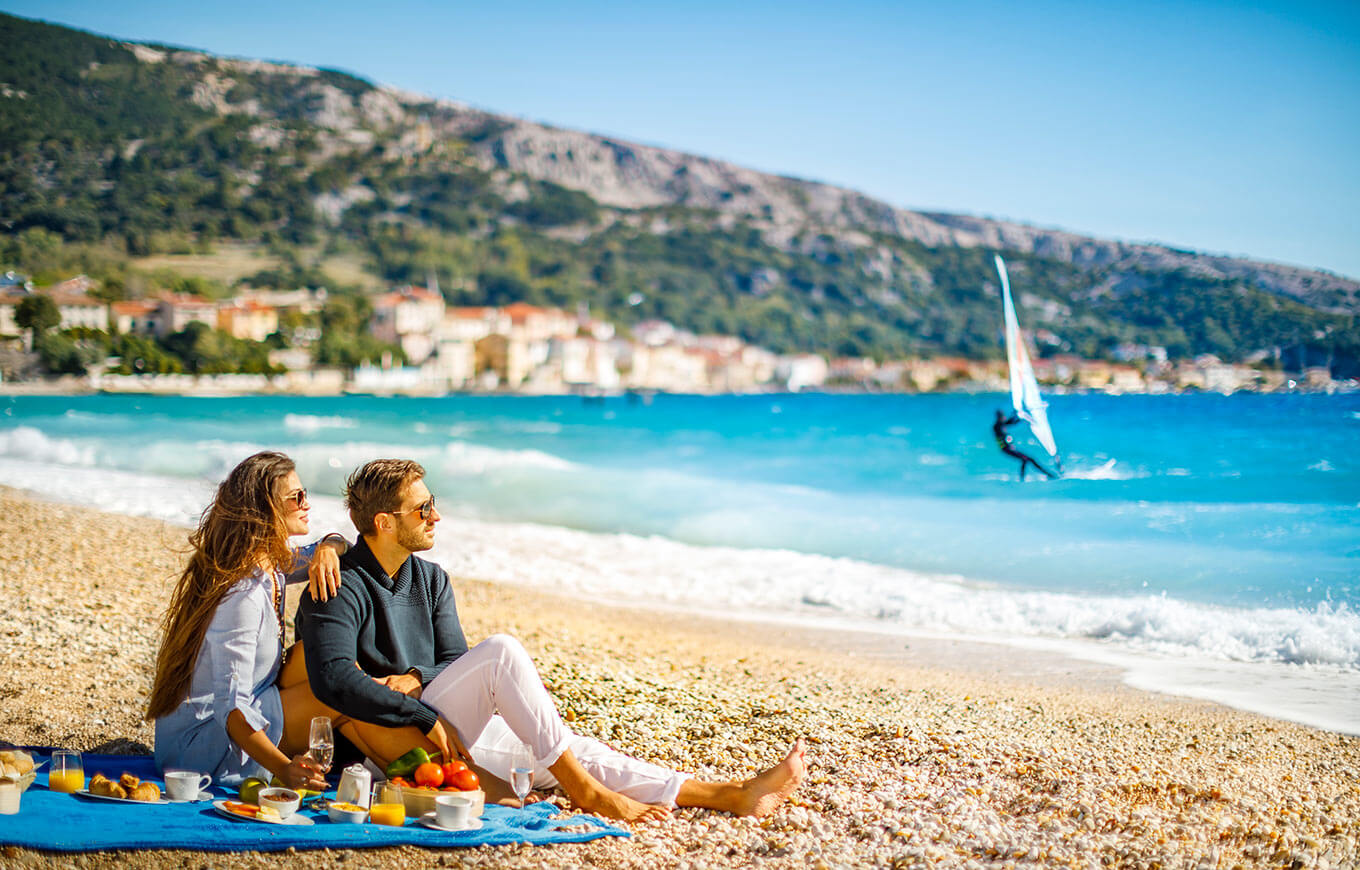
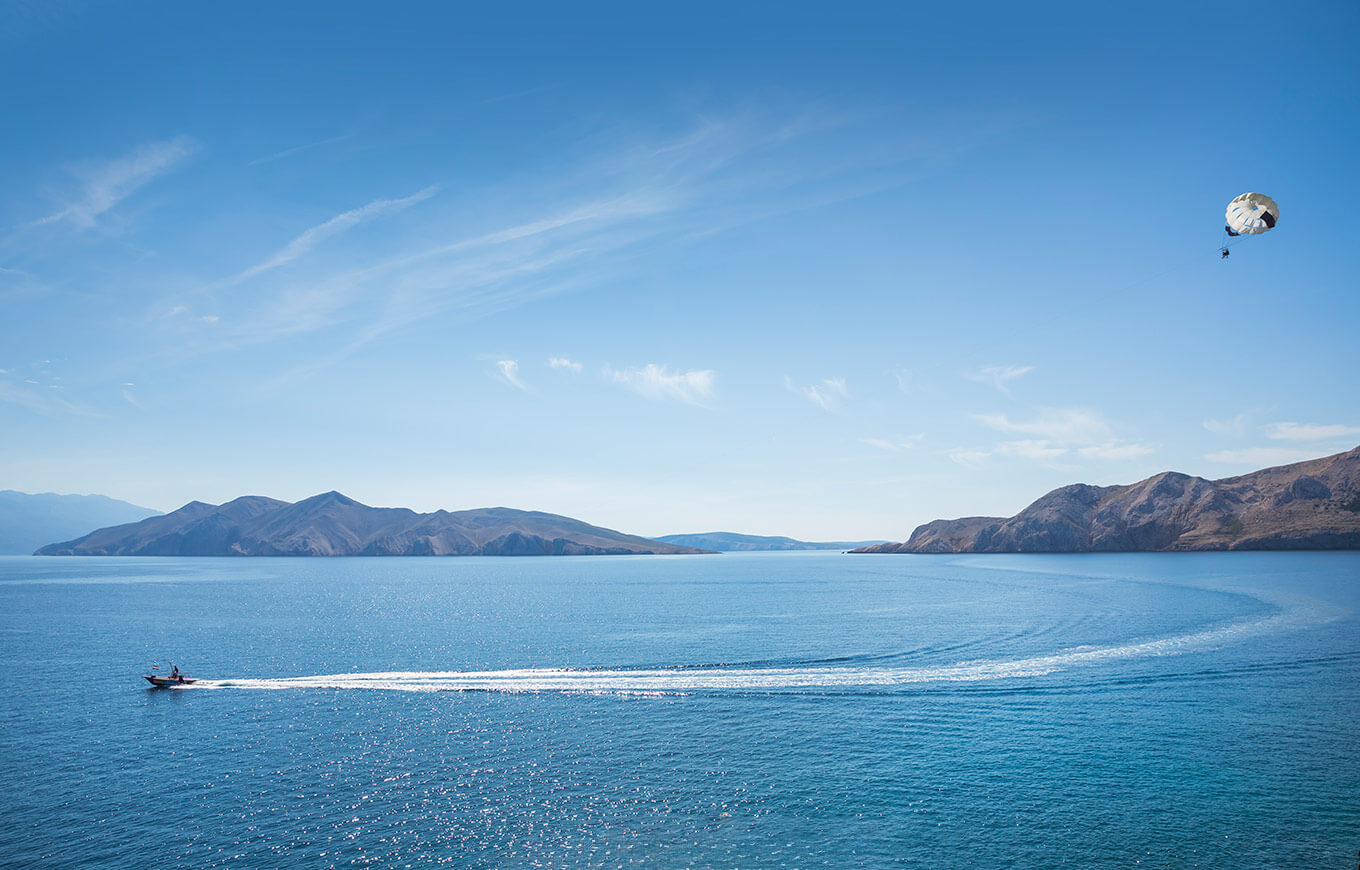
Enjoy a wide range of outdoor activities, perfect for those seeking an active holiday
Location
Kvarner Bay
Situated in the scenic Kvarner Bay, Krk Island is remarkably accessible, directly linked to the mainland by bridge. Just a short drive from Rijeka and within easy reach of Pula, Krk offers a seamless gateway that connects the mainland to the Adriatic’s enchanting islands.