Agencies Valamar Quality Centre Groups

Diving in Rabac

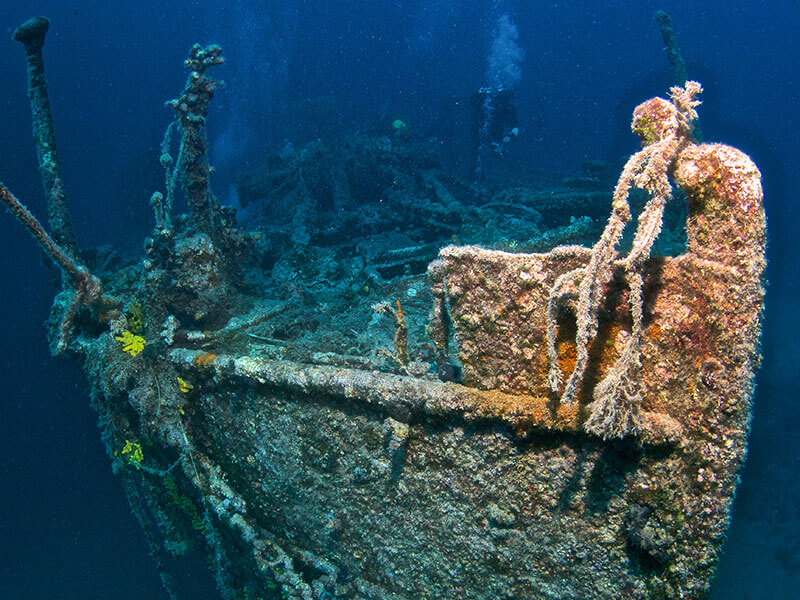
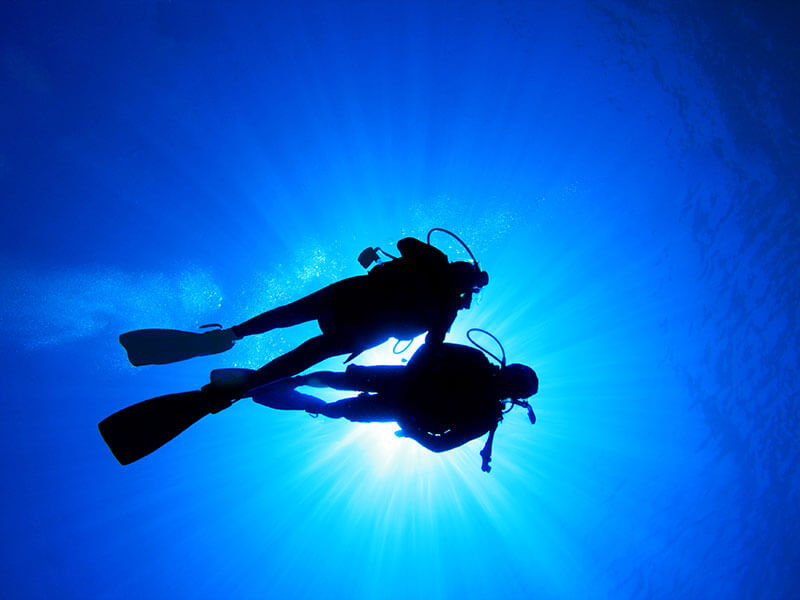
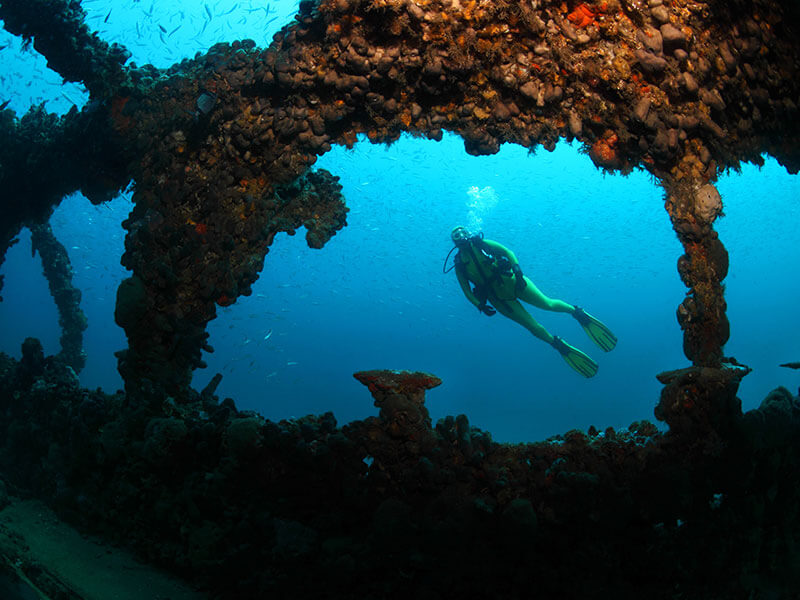
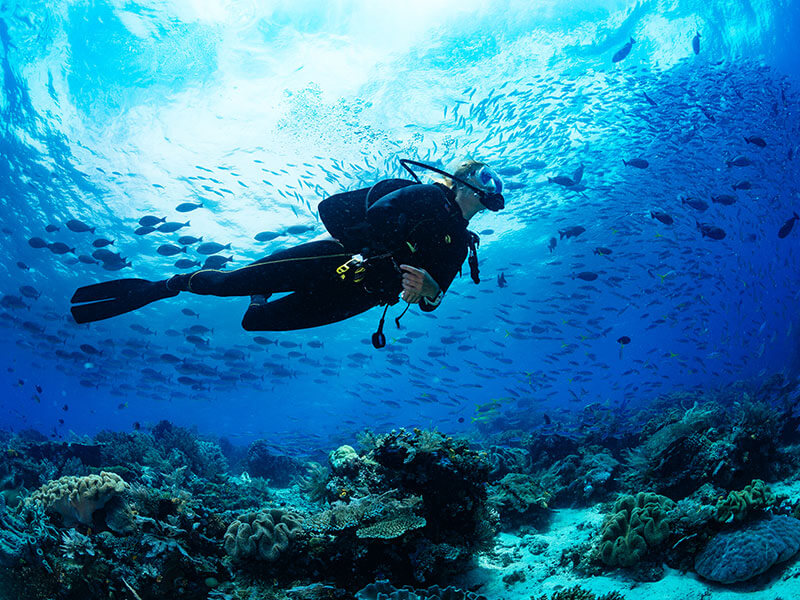
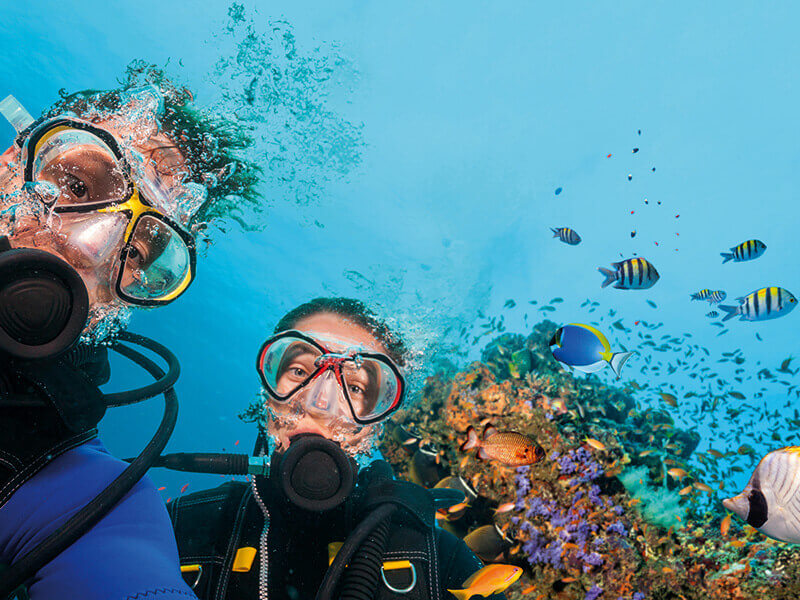
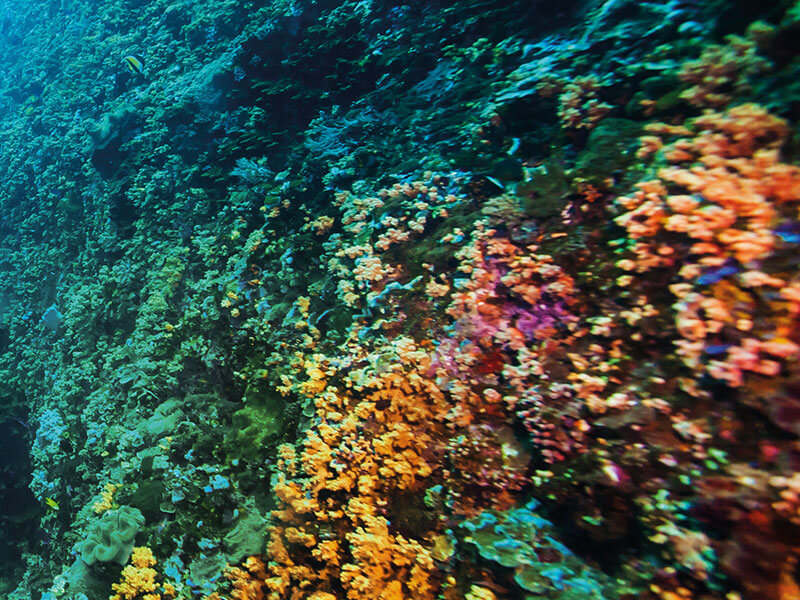
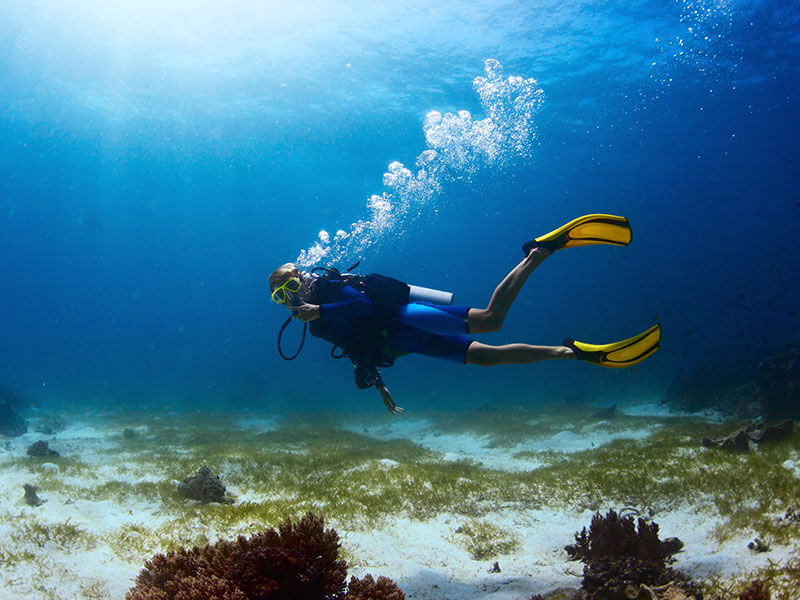
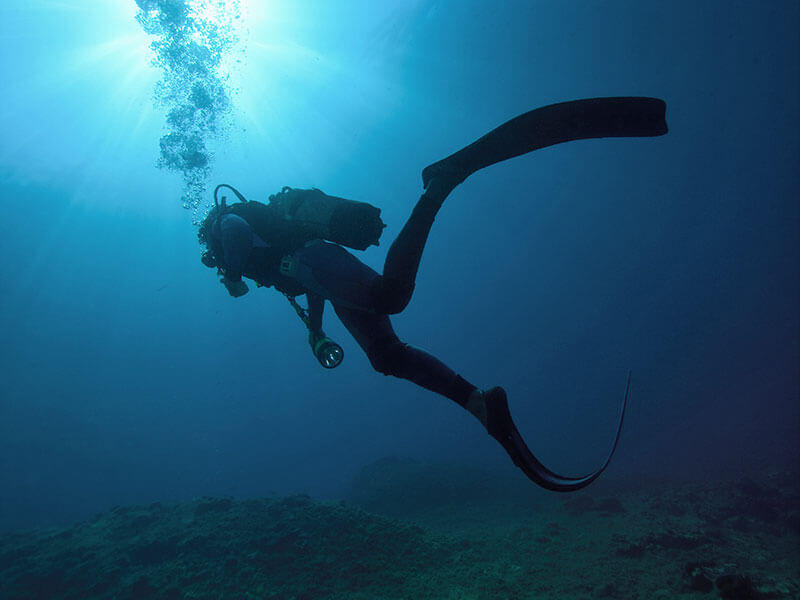
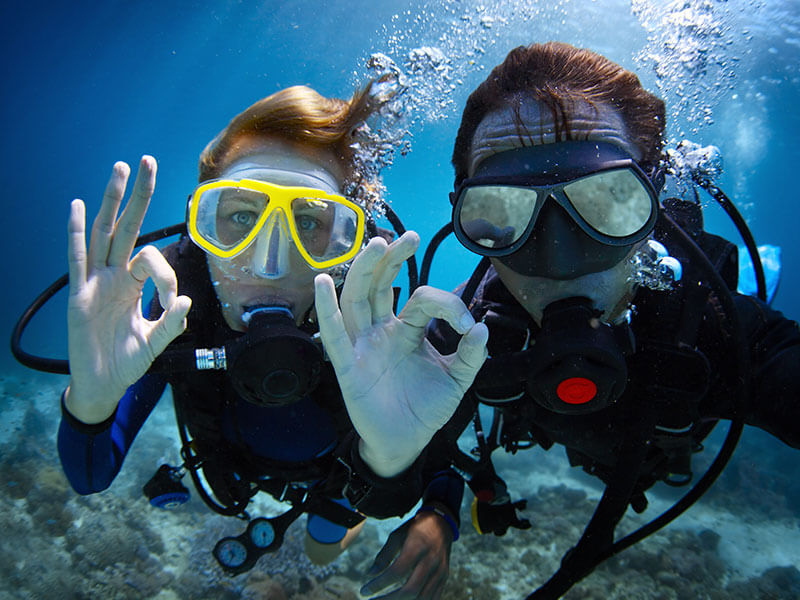
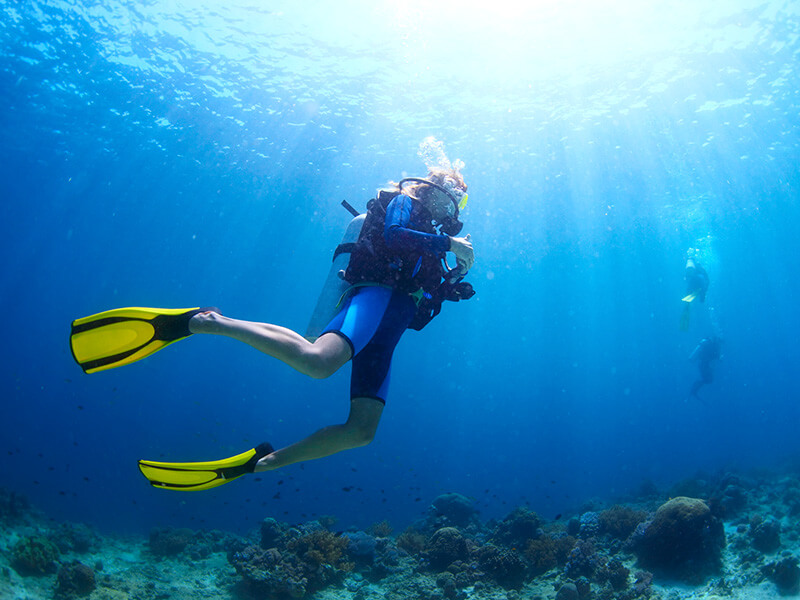
With unbelievably clear waters, and depths rarely reaching more than 70 metres, the coastline of Rabac provides exceptional opportunities for dive tourism. A variety of locations feature awe-inspiring wrecks, reefs bursting with colour, dramatic cliff walls and a kaleidoscope of vivid marine life. Several fully-equipped and professional dive centres are to be found in Rabac. From trial ‘discovery’ dives to full PADI and CMAS courses, visitors can take advantage of a holiday in Croatia to learn a new skill and gain a passport to this fascinating world that will last a lifetime. Professional instructors provide all the training, equipment and guidance necessary to enjoy Rabac’s undersea world at locations such as Girandella, Lanterna, Babino and the island of Cres. The latter harbours the shipwreck of the Lina, and Italian steamship that transported oil and wine from Puglia and coal from Cardiff. During thick fog in January 1914, the Lina lost its way and quickly sank after running aground. Another cargo ship carrying coal hit a mine not far from Cape Mašnjak and sank at the entrance to Plomin Bay. Divers can still see remains of the wooden lifeboats that fell from the steamship Vis. However, the waters off Croatia are not just for wreck divers. Spectacular shoals of fish congregate around the caves, walls and reefs of dive sites such as the Kavranska Shoal and Black Point, providing up-close-and-personal encounters with striped bream, seahorses, crabs and lobsters. With calm, crystal clear waters, dive tourists of all abilities will find Rabac certainly ticks all the right boxes.
Wrecks Reefs Diving centres Important telephone numbers Useful information
Luana

Luana

Once a merchant ship, the Luana sank in 1943 during World War II. During one of its regular voyages, the Luana hit a mine, which makes it exceptionally interesting to all divers. Its wreck lies in an upright position, and its faithful visitors are weak sea currents and multitudes of fish. Because of the depth at which it is located, only experienced divers can enter the wreck of the Luana that continues to stand proudly, well-preserved and intact, despite the disaster that struck it.

text: Željko Kamerla in collaboration with the Istria diving centres

Vis (ex Renteria)

Vis (ex Renteria)

The cargo steamship Vis was built in 1921 under the name Renteria. In 1946, the Vis set sail for Raša from Rijeka for a load of coal. Because of the minefield had not yet been cleared in the central part of Vela Vrata, the captain was ordered to stay as close the Istrian coastline as possible. However, not far from Cape Mašnjak at the entrance to Plomin Bay, a powerful explosion shook the boat. The shipwrecked crew were saved by a sailing vessel and taken to Rab.Alongside the ship on the seabed, you can see the remains of wooden lifeboats that fell from their places.

text: Željko Kamerla in collaboration with the Istria diving centres

Lina (ex Ville de Natur, ex Nueva Estramandura)

Lina (ex Ville de Natur, ex Nueva Estramandura)

This iron steamship was built in 1879 in Great Britain, at a time when iron steamships had already won the race against sailboats. It sailed the entire Mediterranean and up to northern Europe transporting oil and wine from the Italian province of Puglia, and brining back coal from Cardiff on the return voyage. On the night of 14.01.1914, because of thick fog, the ship lost its way while navigating through the Vela Vrata Channel. A heavy storm caused the ship to run aground near Cape Pečen on Cres Island, where it quickly sank.

text: Željko Kamerla in collaboration with the Istria diving centres

Argo (ex HMS Flint, ex Royal Navy Isle Class Trawler)

Argo (ex HMS Flint, ex Royal Navy Isle Class Trawler)

In 1948, the Argo set sail for Rijeka from Venice with a cargo of tomatoes. The ship hit a mine left over from World War II. A strong explosion ripped the vessel in two just behind the commanding bridge. The prow and the stern lie some 50 m apart. Both parts are in an upright position, only slightly sunken in mud. Parts of the ship and ship equipment can be seen strewn between the prow and the stern. Both anchors are still in place.

text: Željko Kamerla in collaboration with the Istria diving centres

Cesare Rossarol

Cesare Rossarol

The Italian destroyer was built in Genoa in 1913, launched one year later, and met its fate in 1918. When the end of the war was declared, the ship left Pula for Rijeka. About 2 nautical miles from Ližnjana, it struck a mine that tore it in two. The larger fore part is capsized and located towards the north, with a breach in the hull through which you can see bombshells. The stern part, about 30 m long, lies some 300 m to the south in an upright position.

text: Željko Kamerla in collaboration with the Istria diving centres

Torpedo

Torpedo

The English torpedo patrol boat went down towards the end of World War II when it hit a mine during a routine patrol. The dramatic explosion split the boat in two. The first part is about 20 – 25 m long and is fully preserved. The second part, 20 m long, lays several meters away, but is destroyed because the English set it on fire to prevent the enemy from getting hold of its radar…

text: Željko Kamerla in collaboration with the Istria diving centres